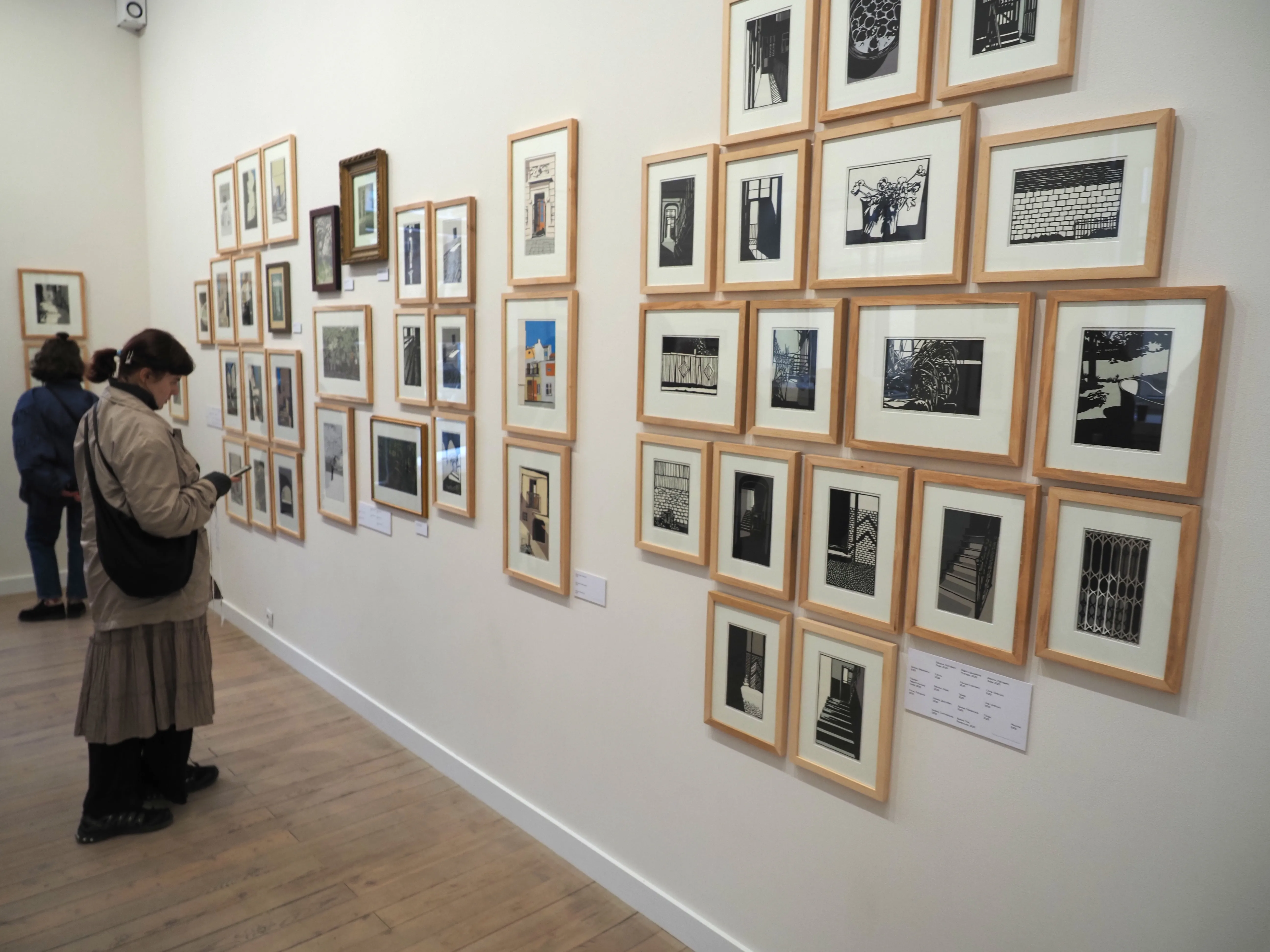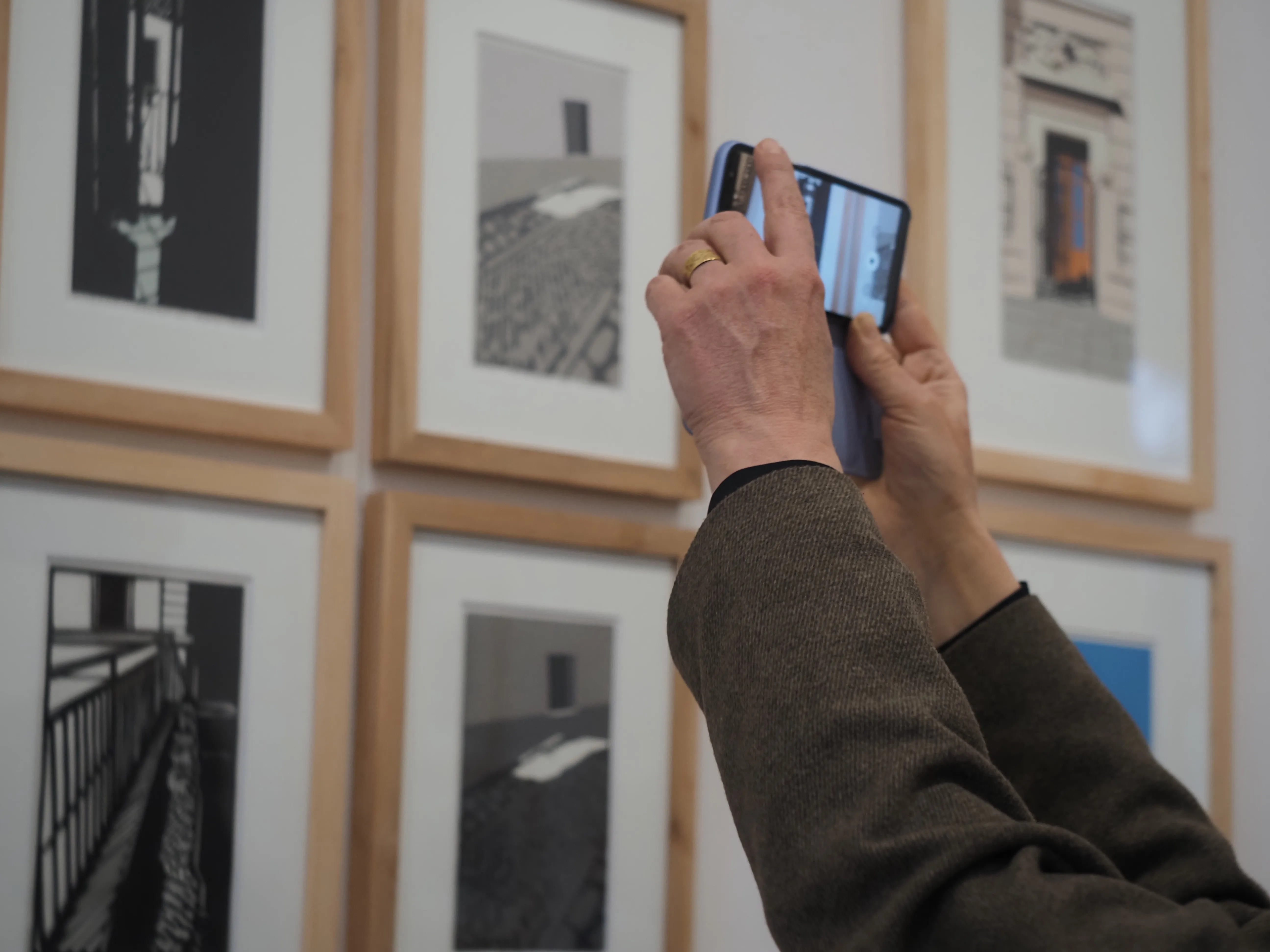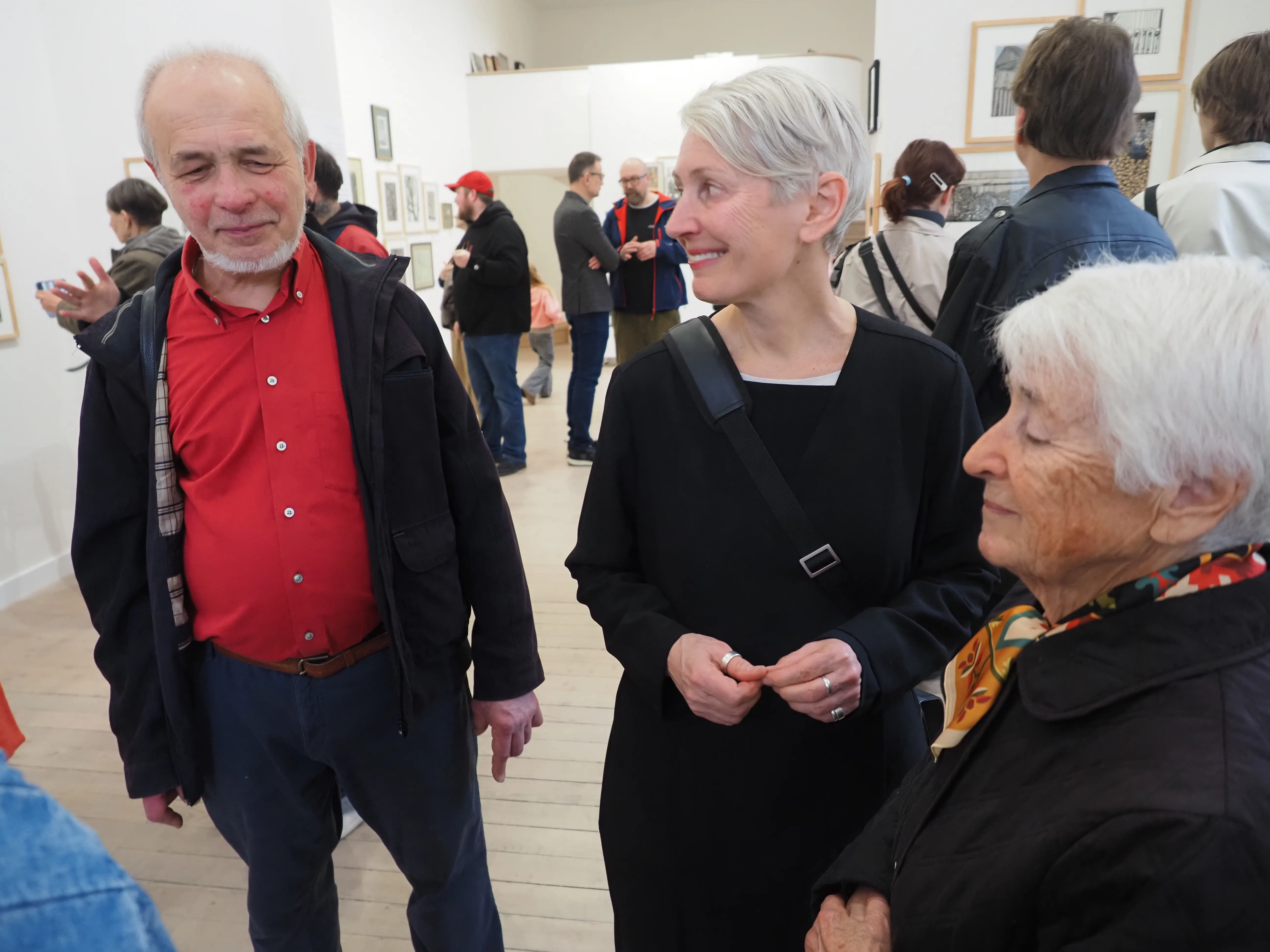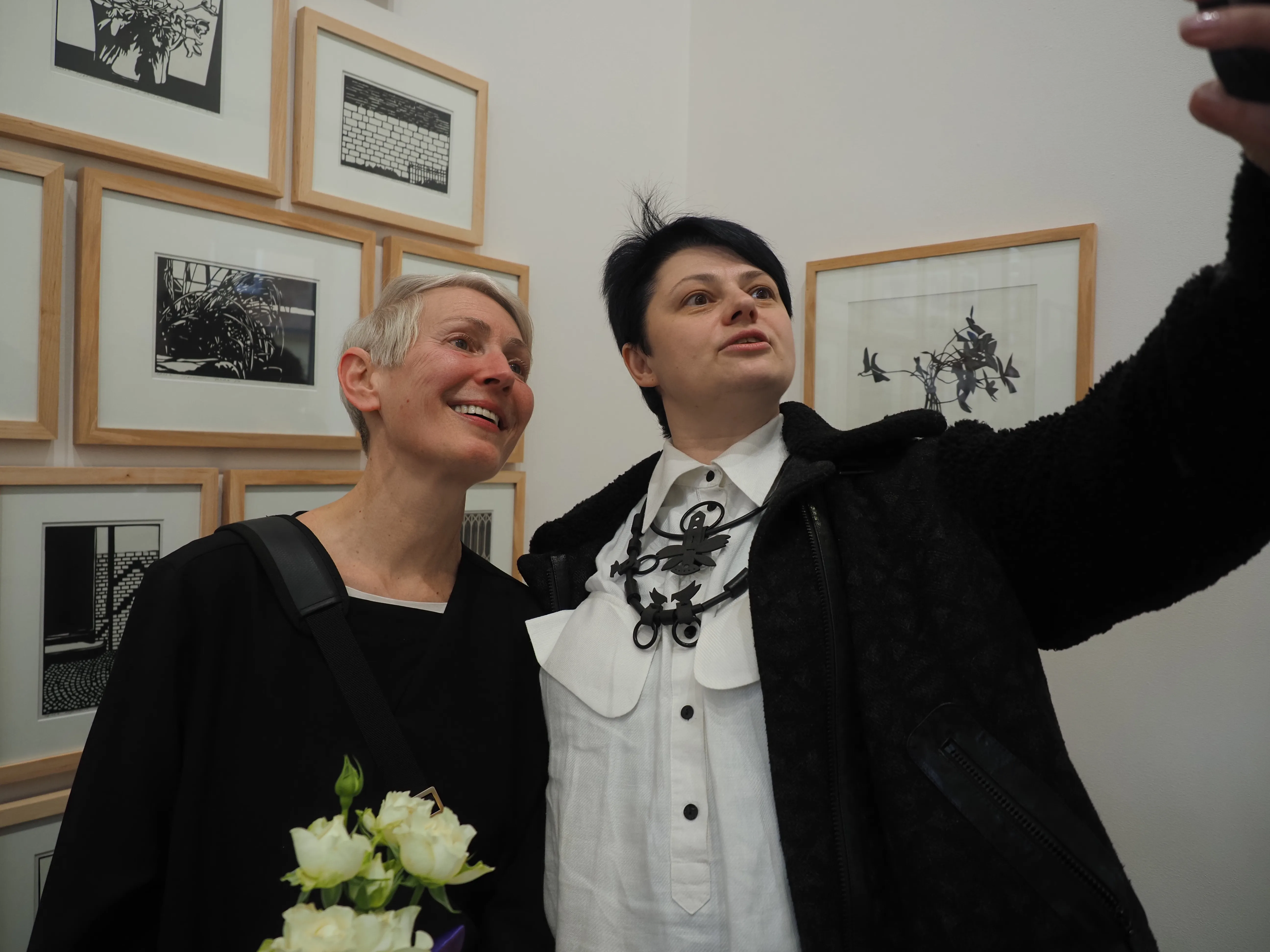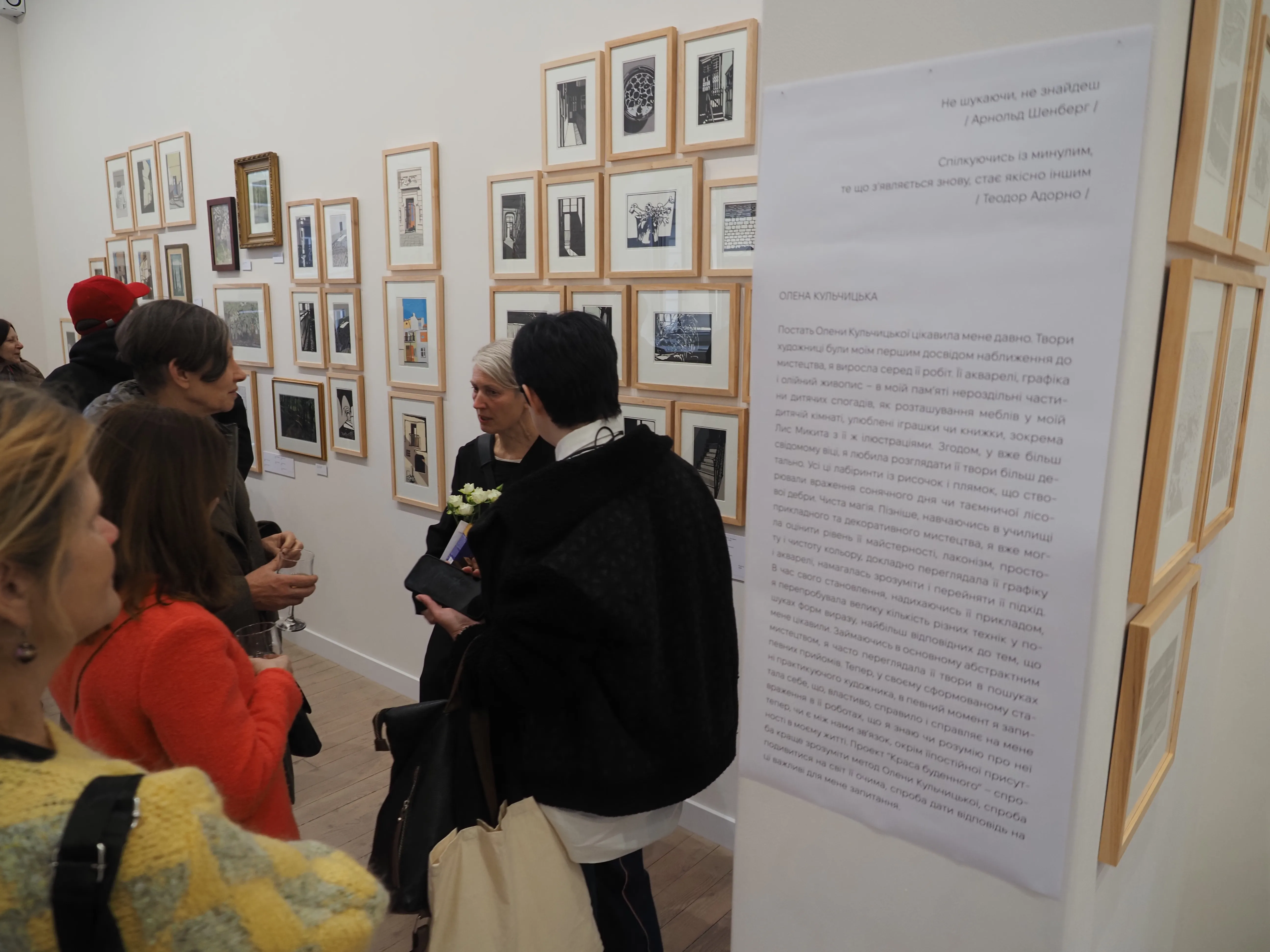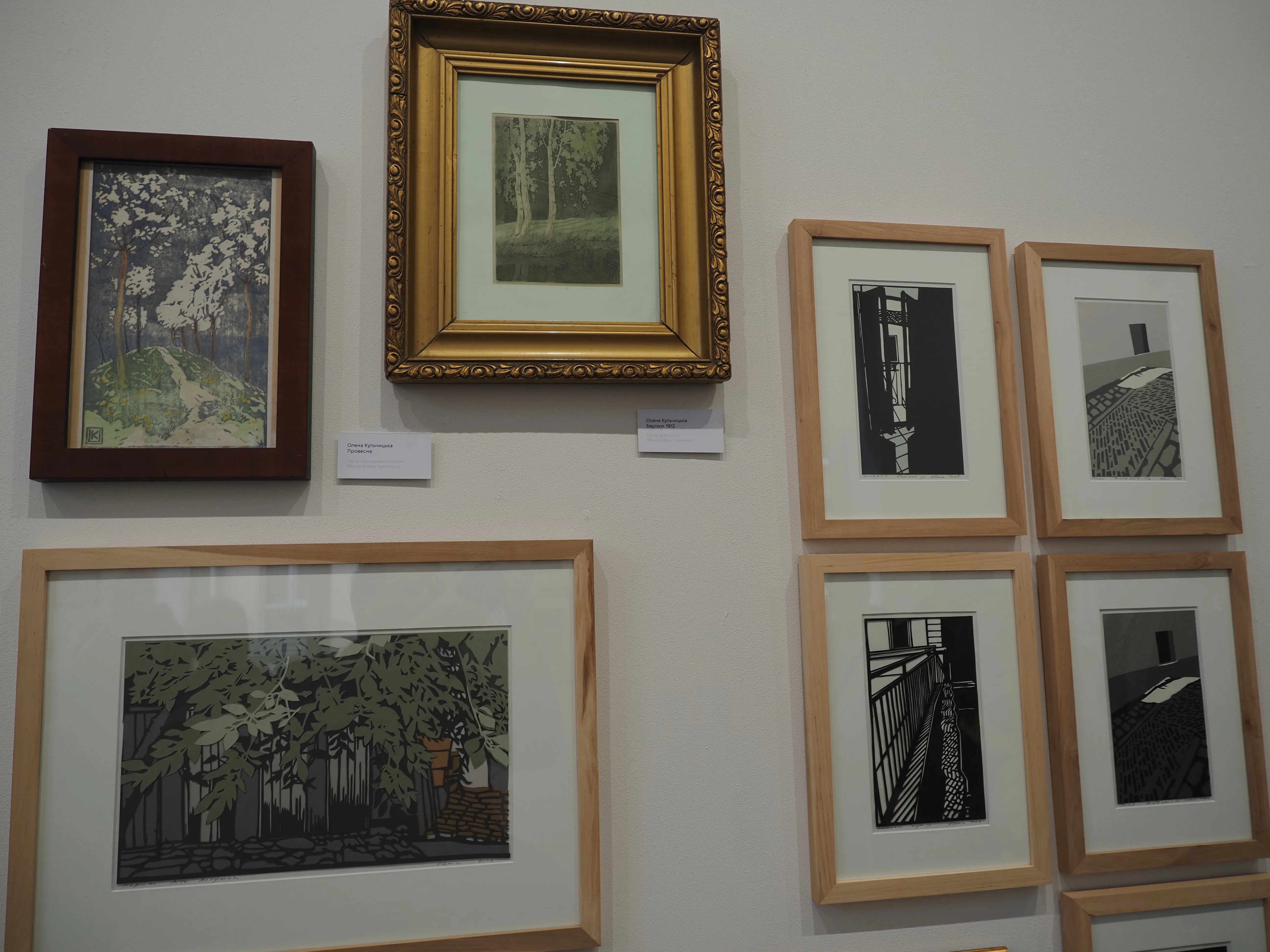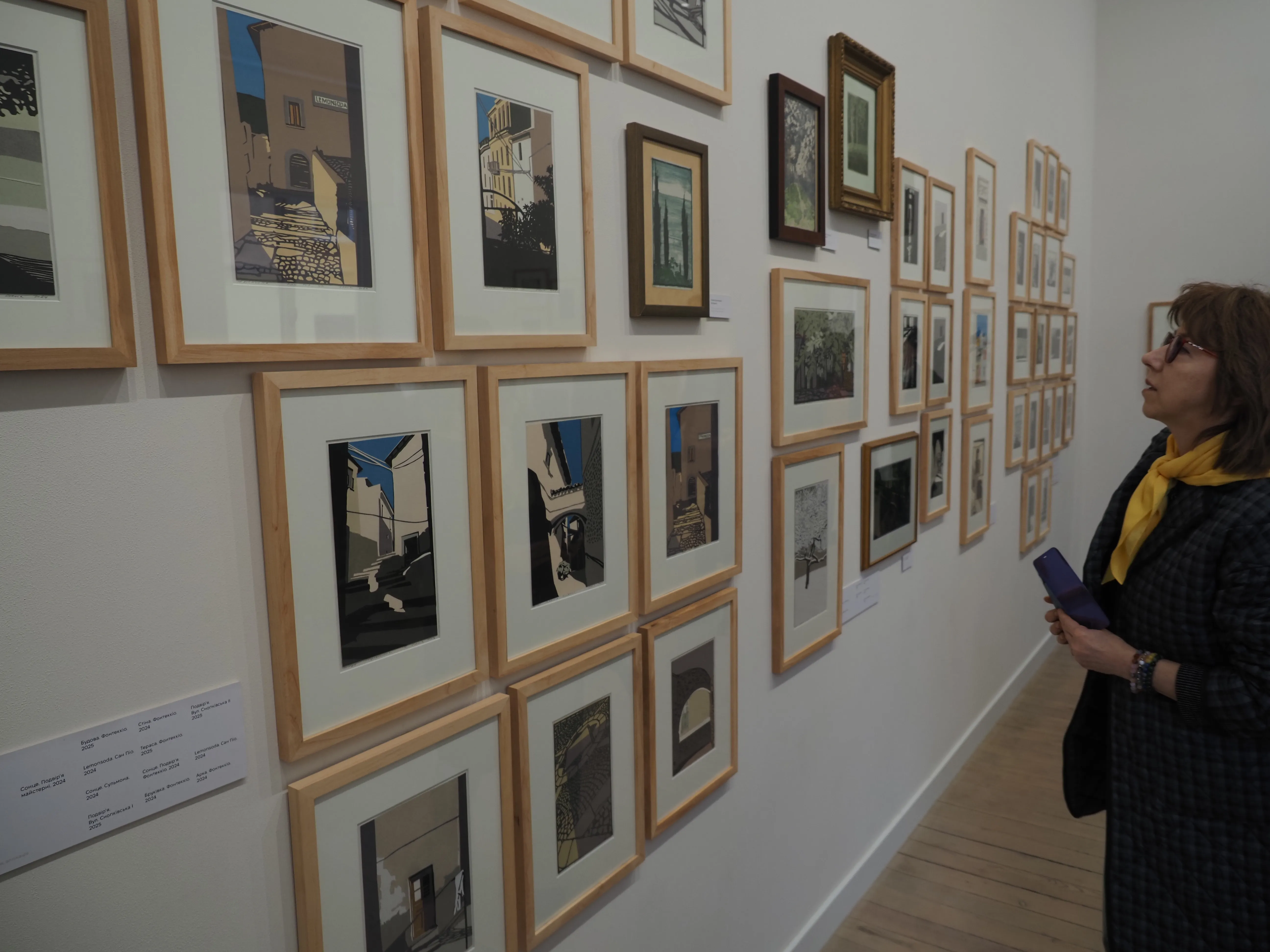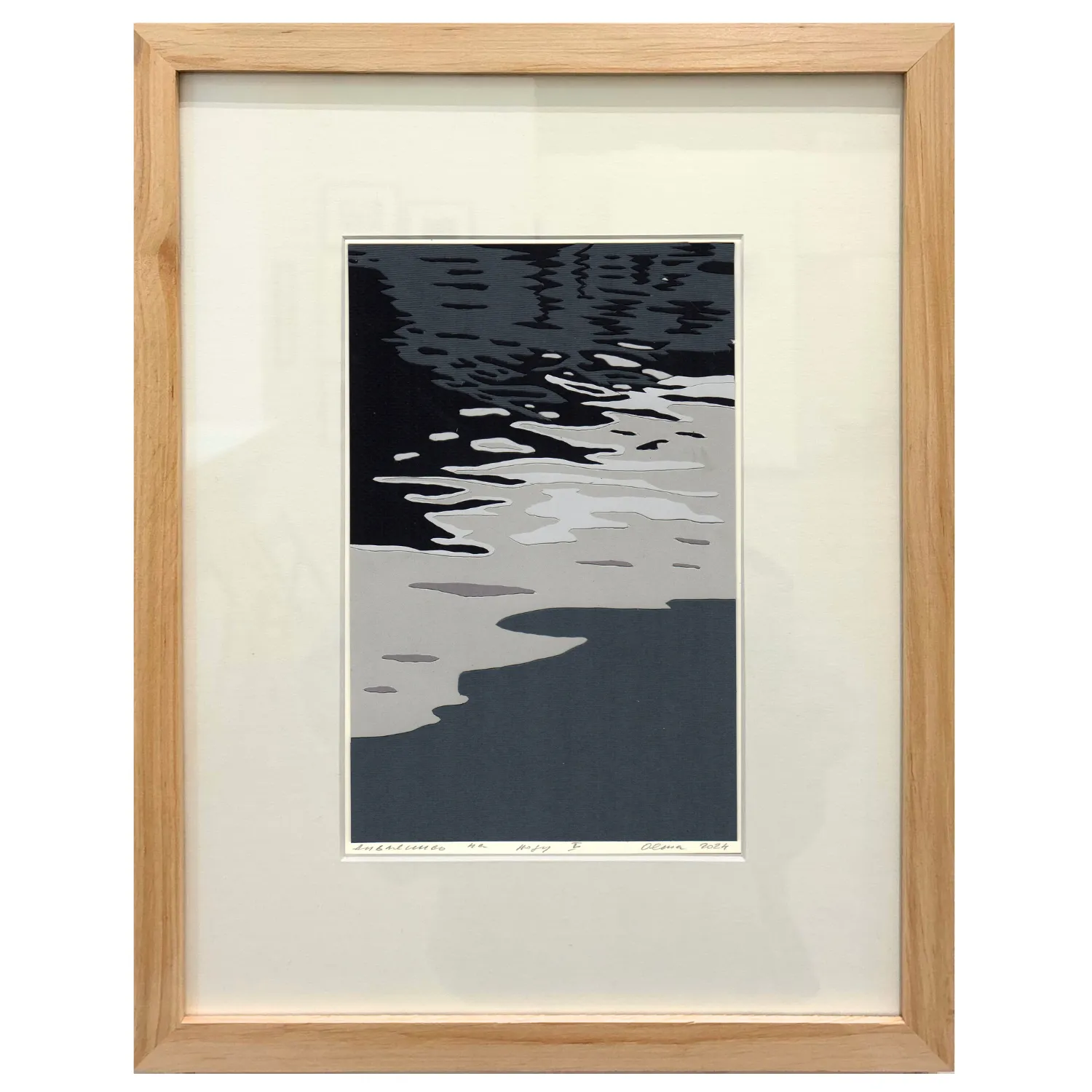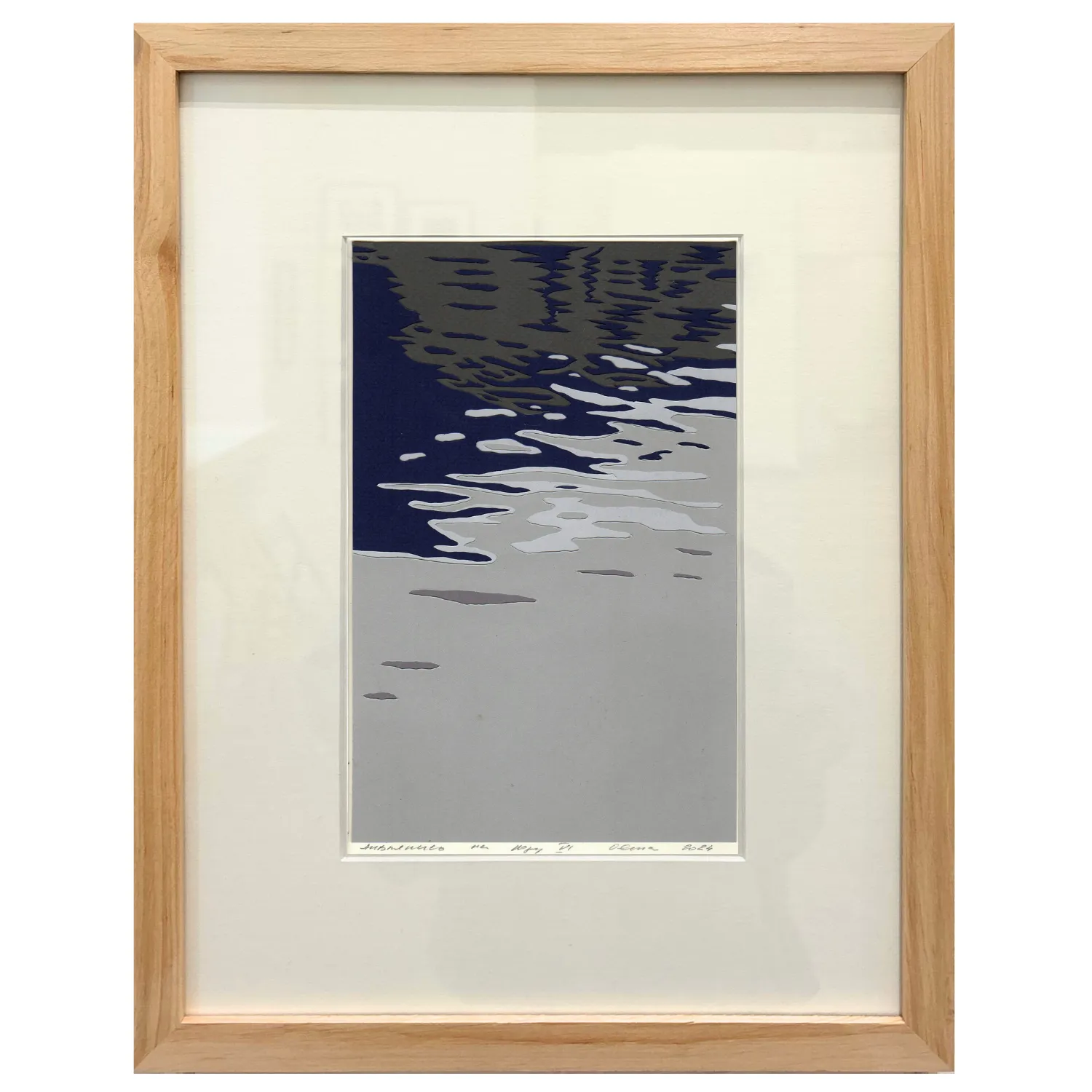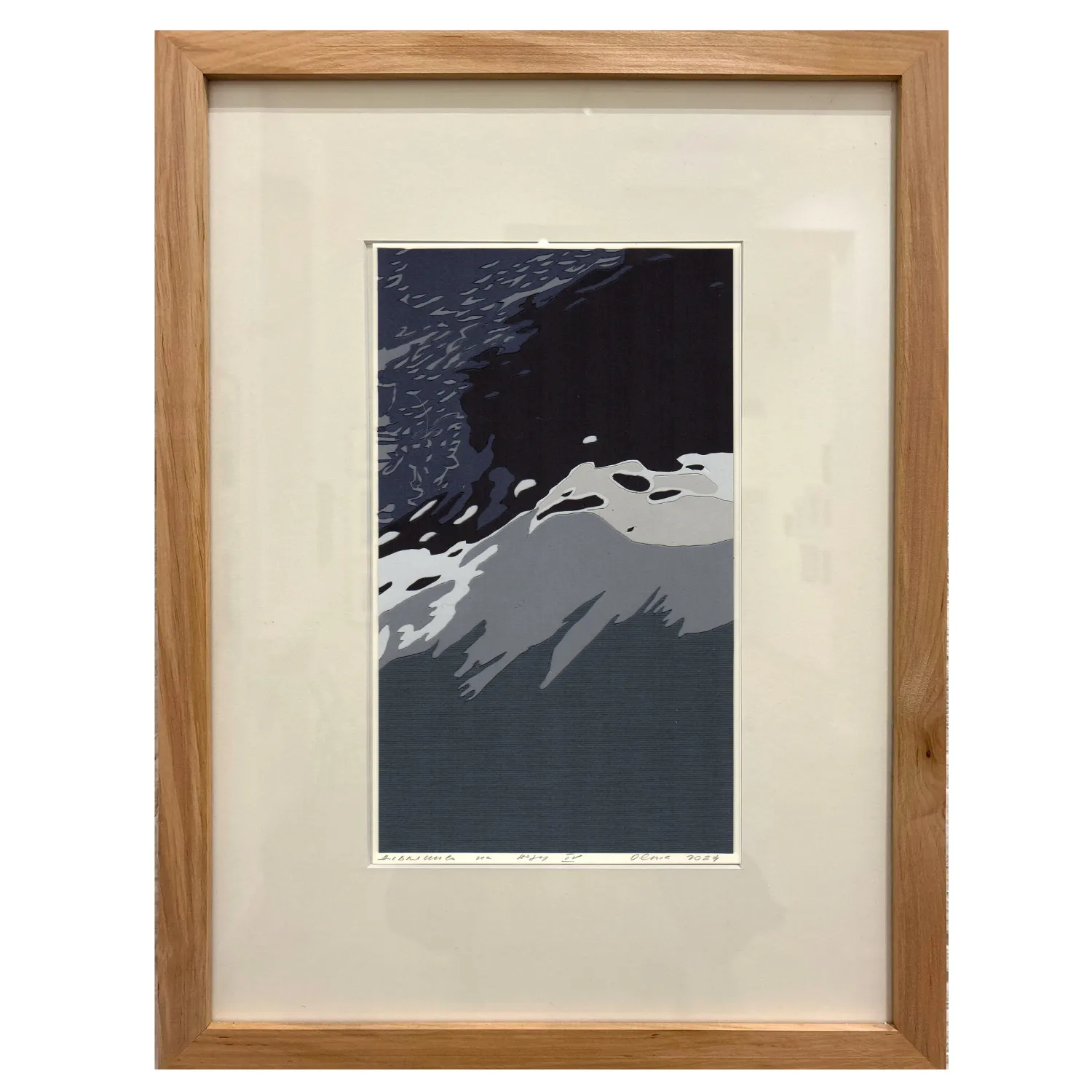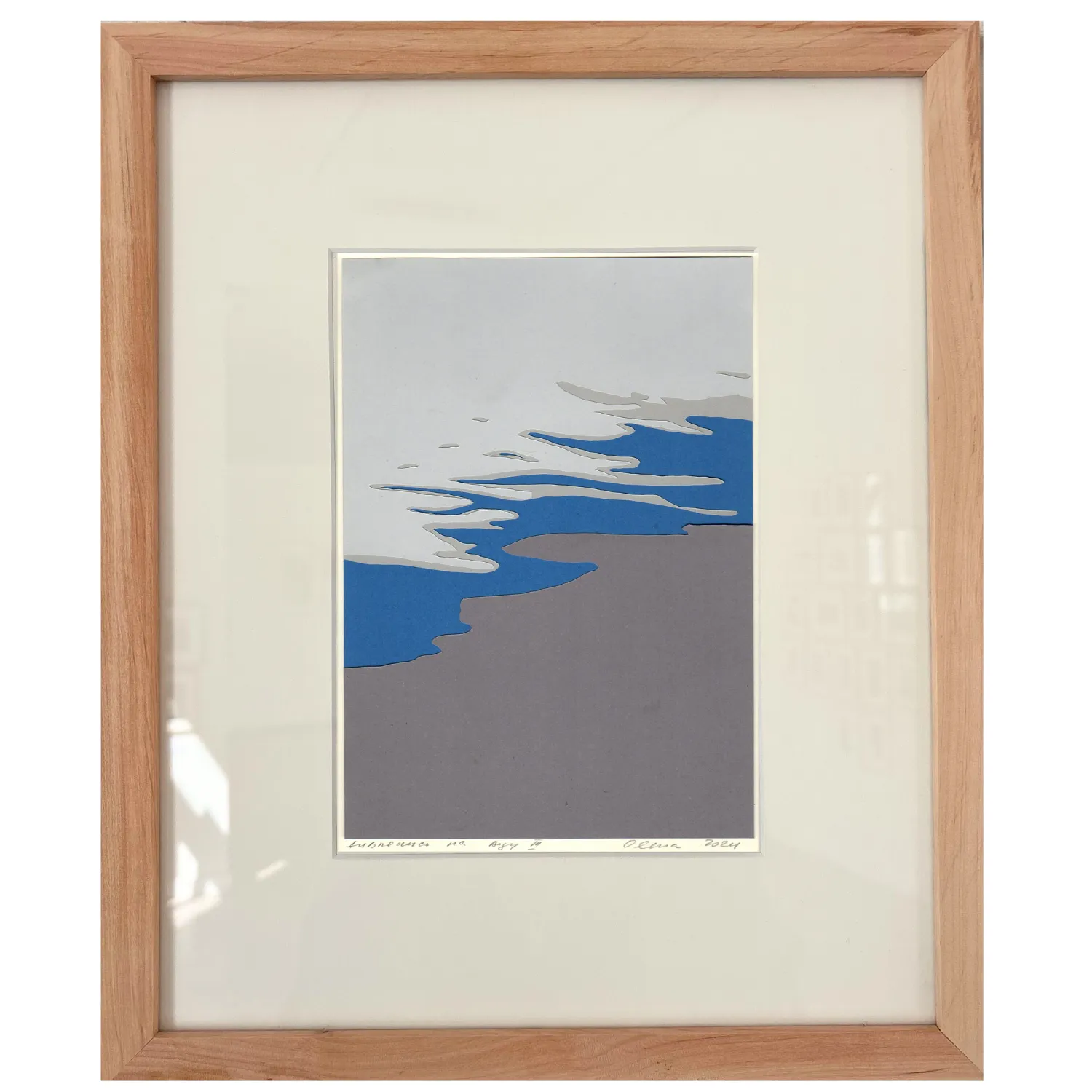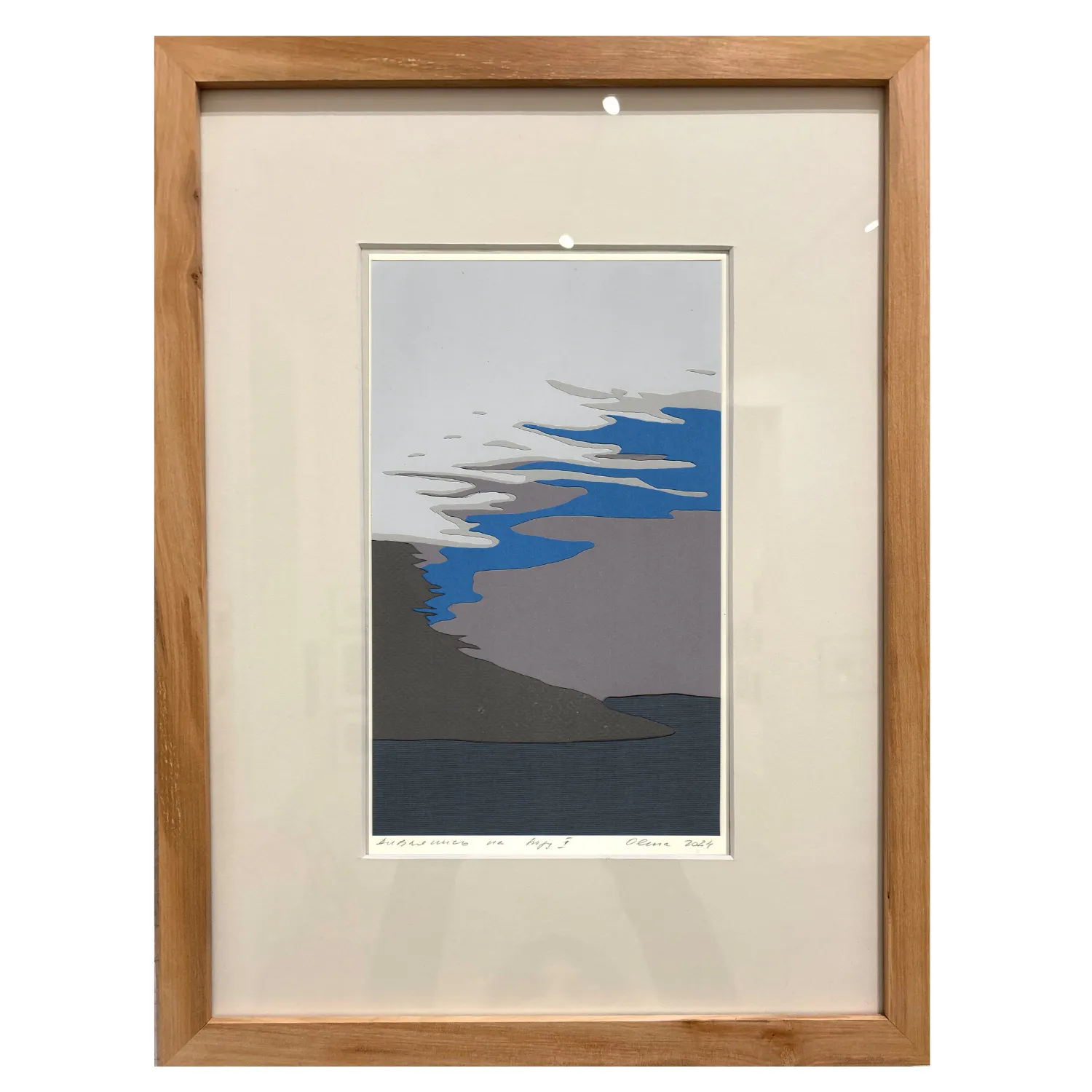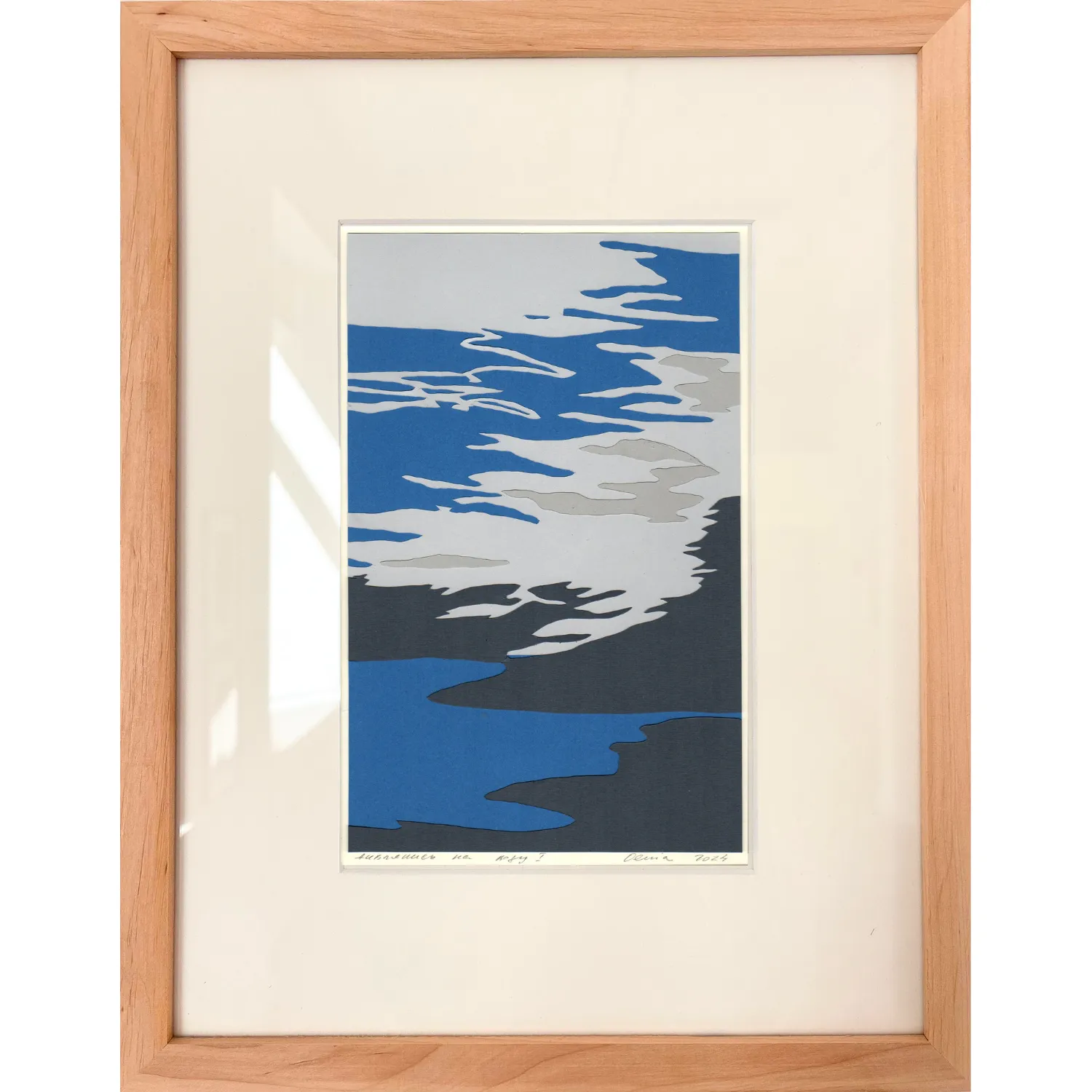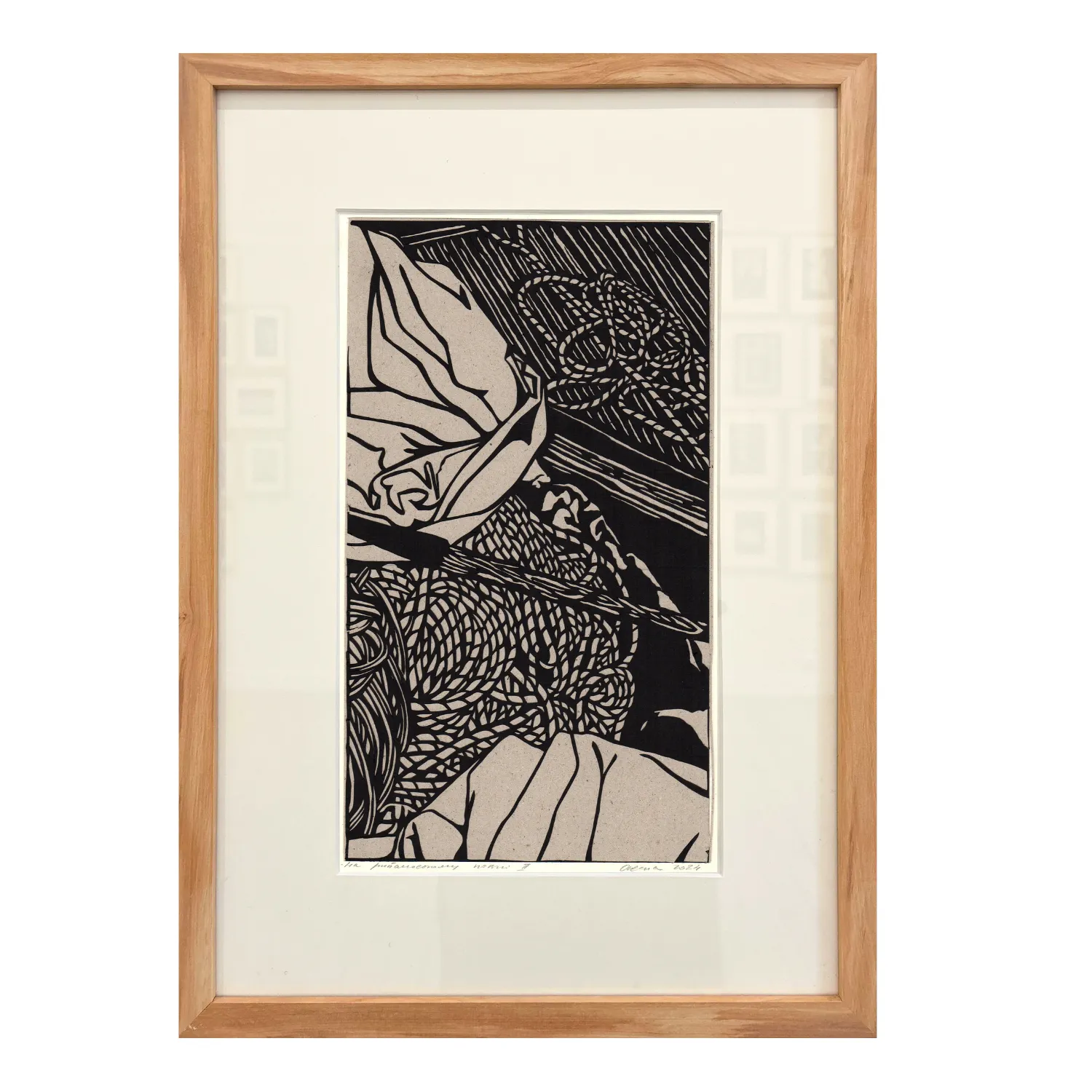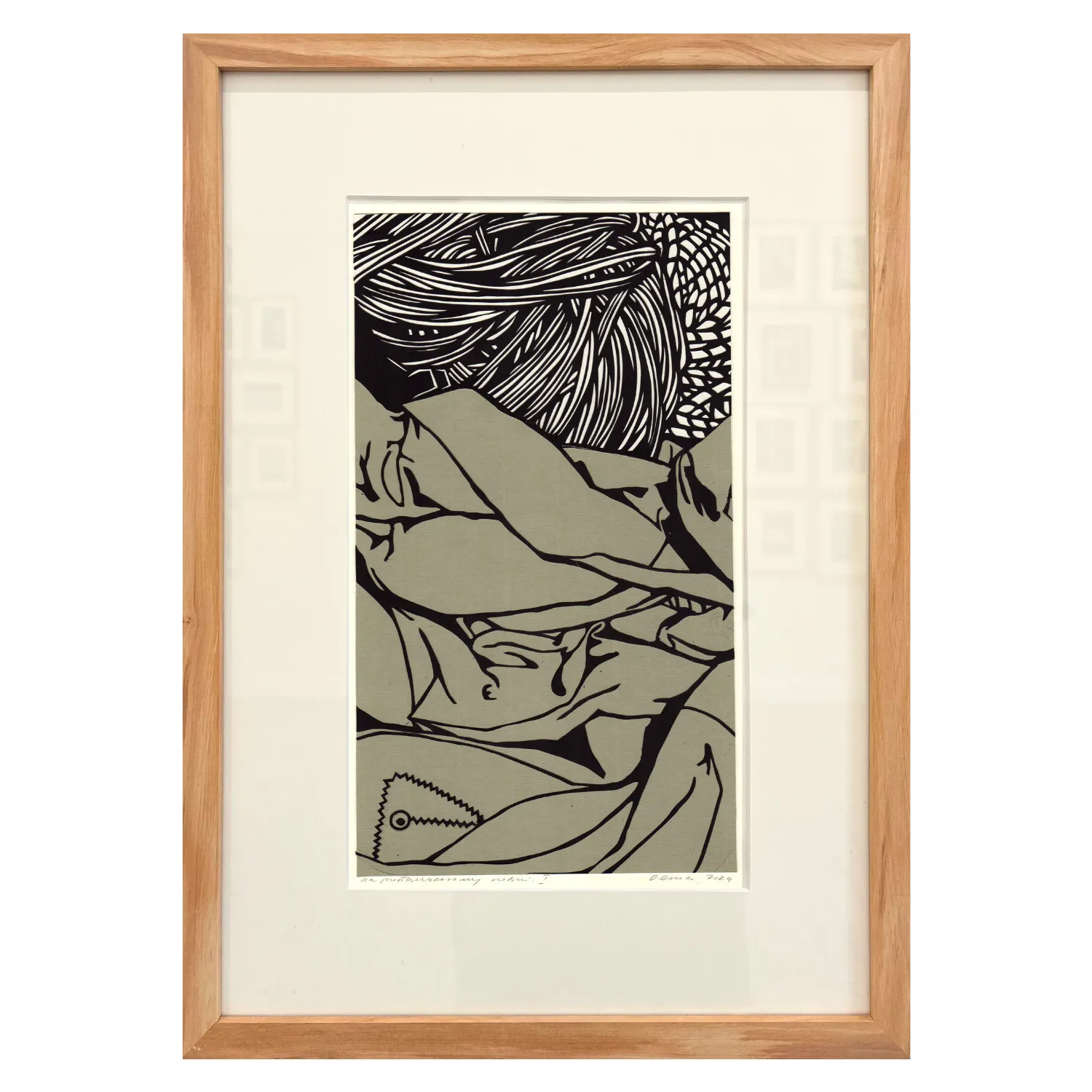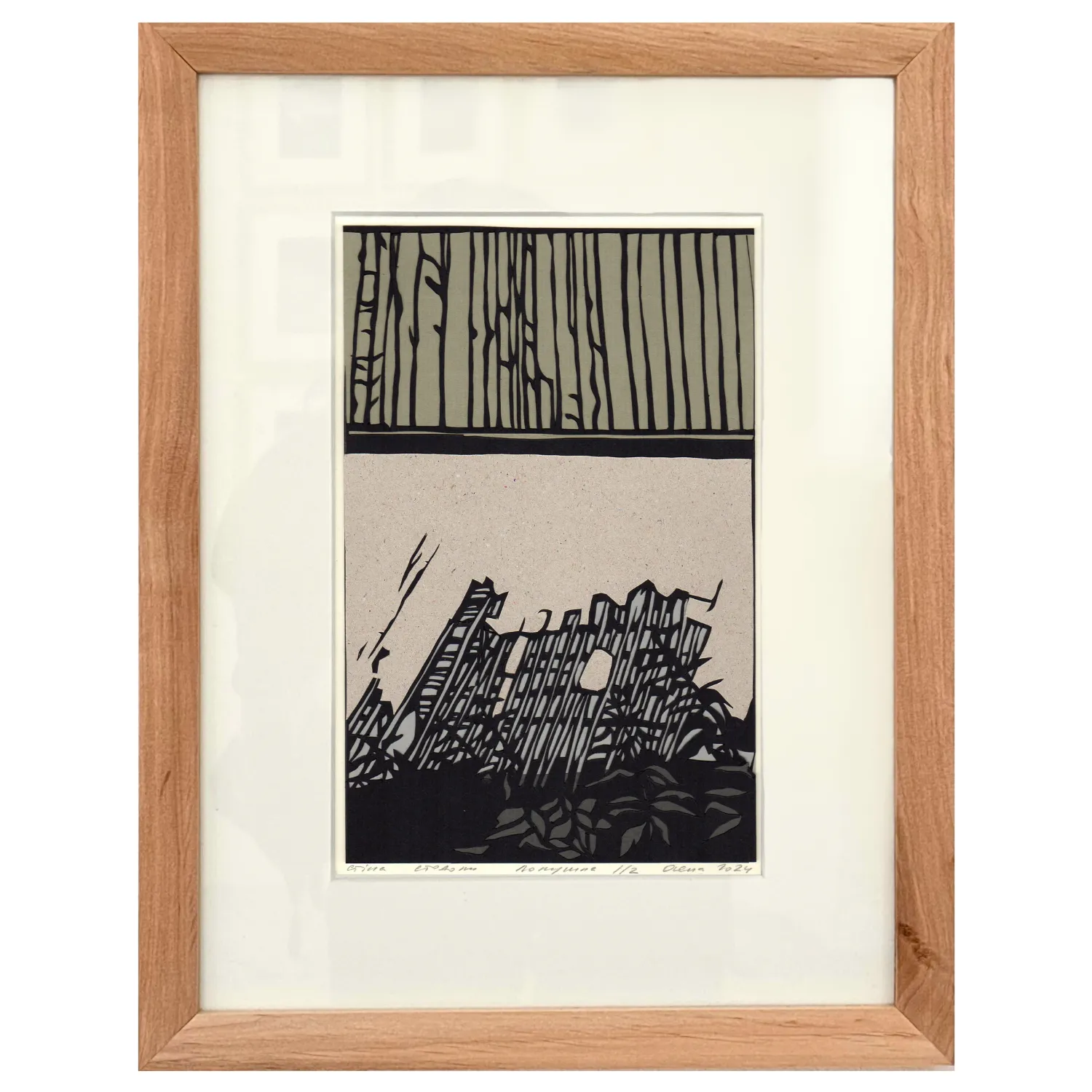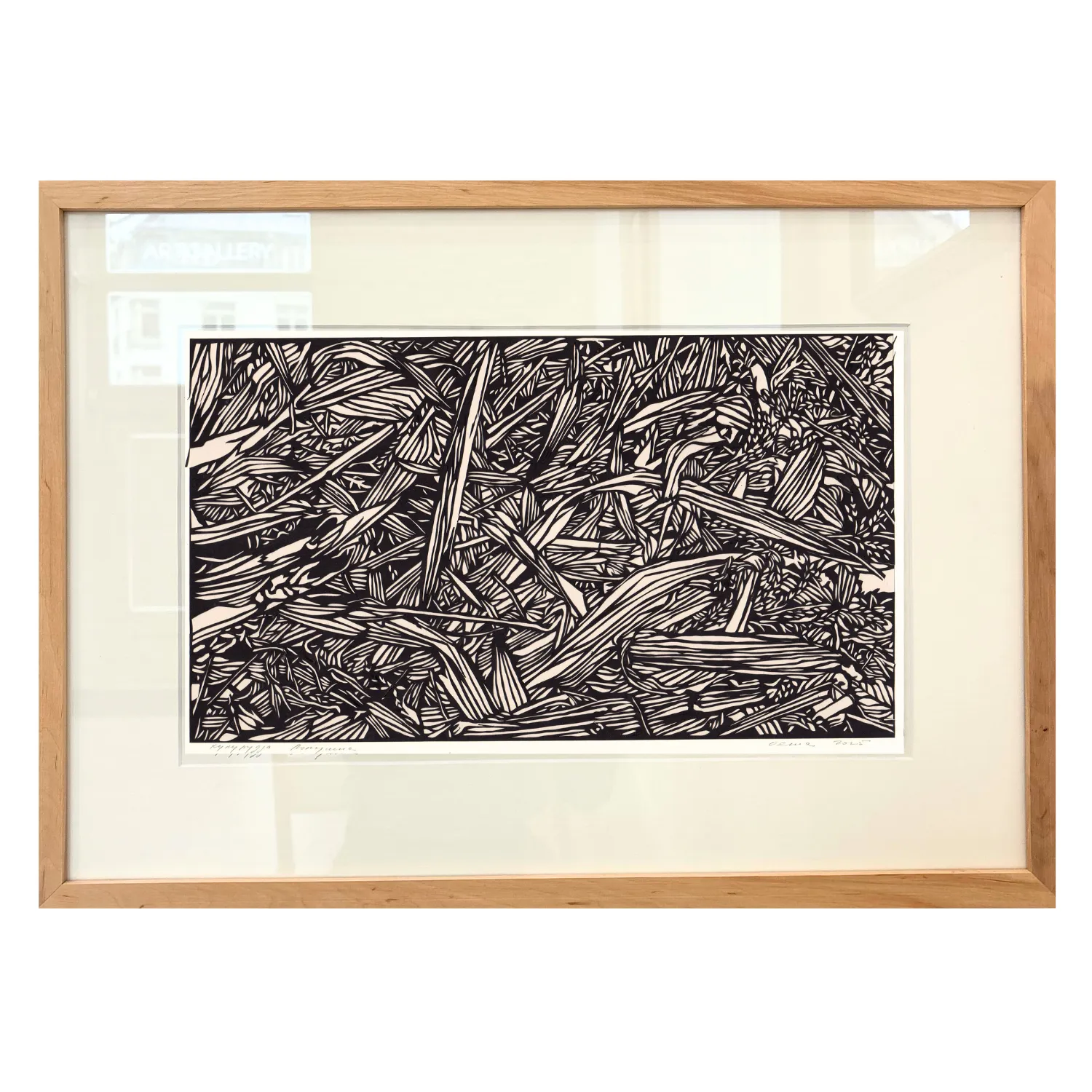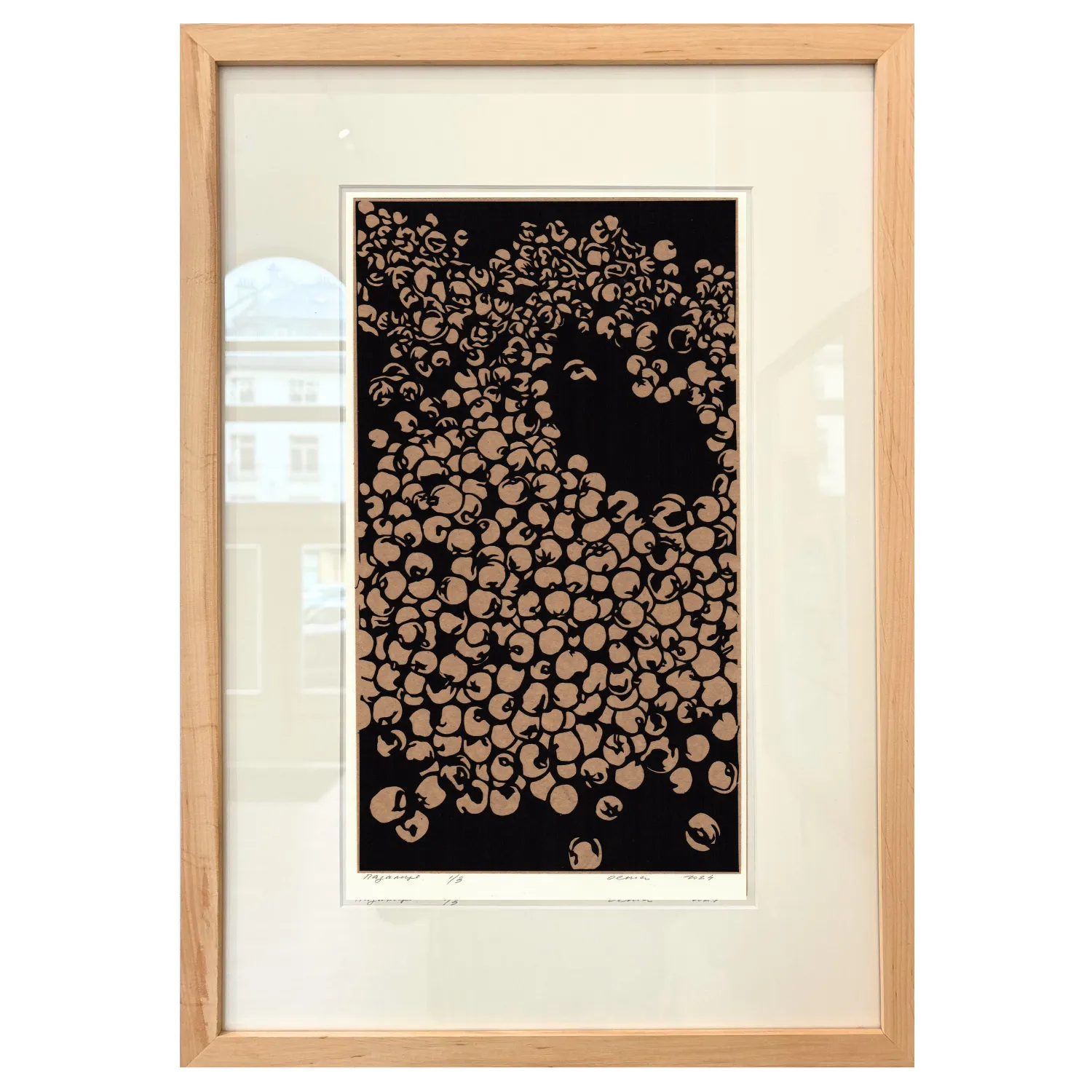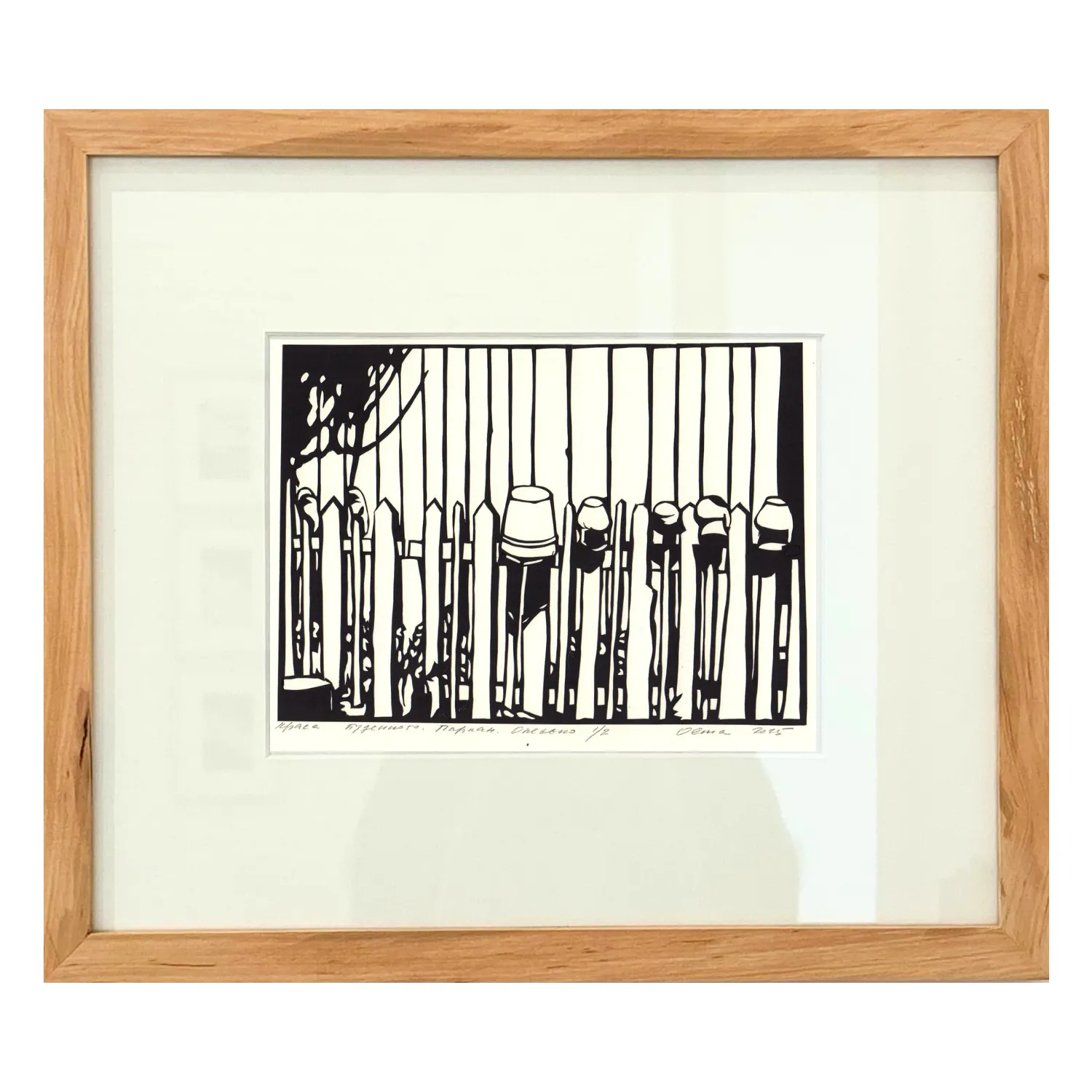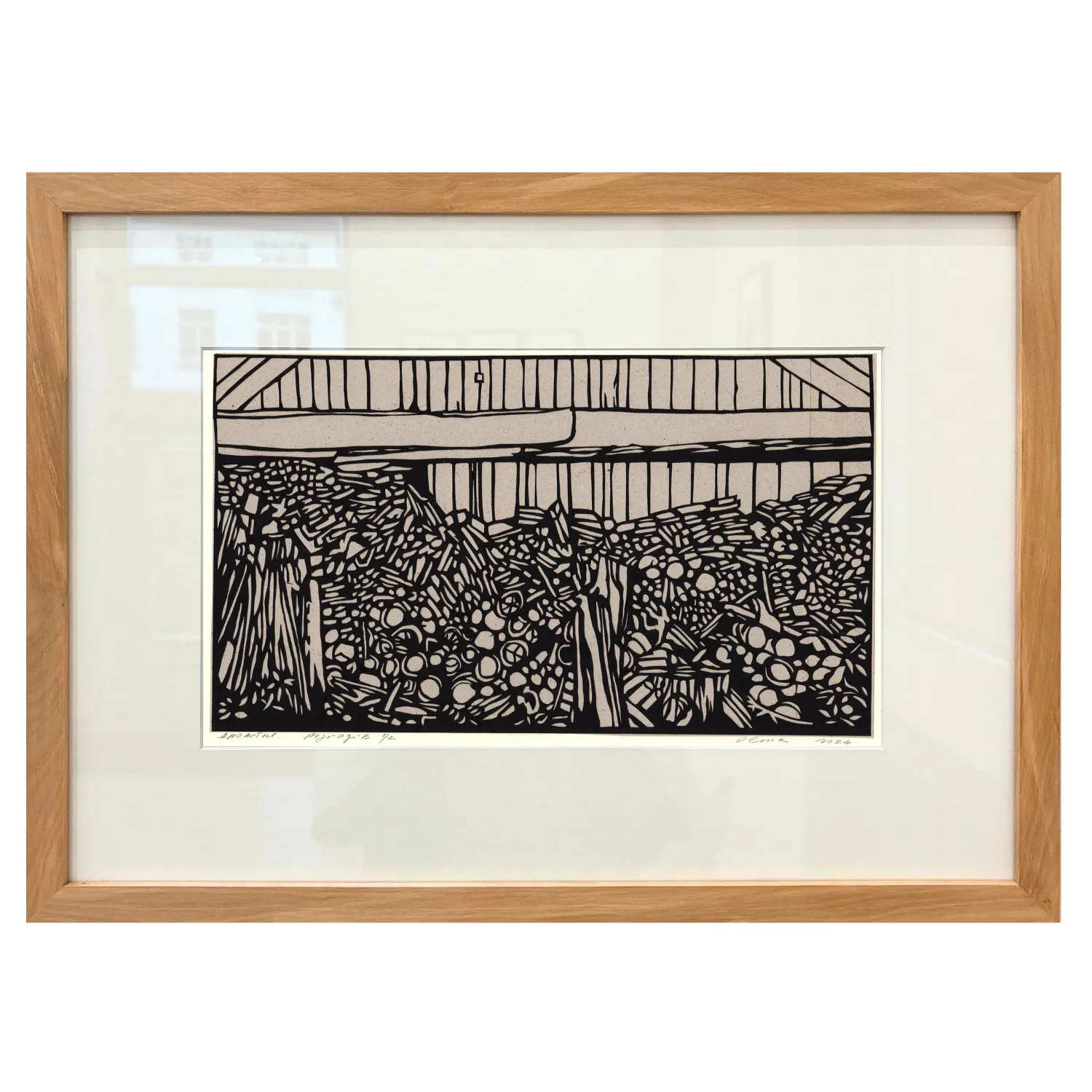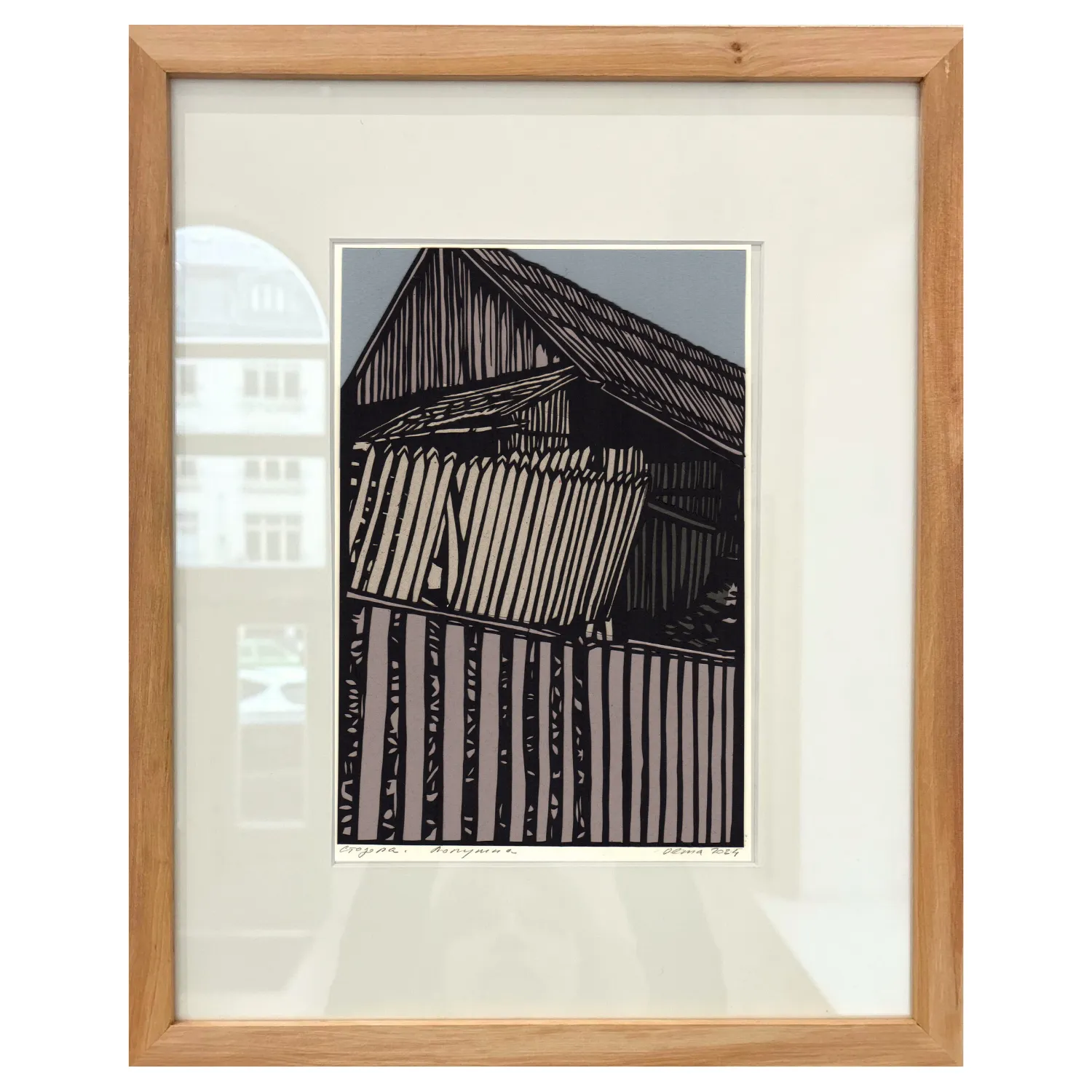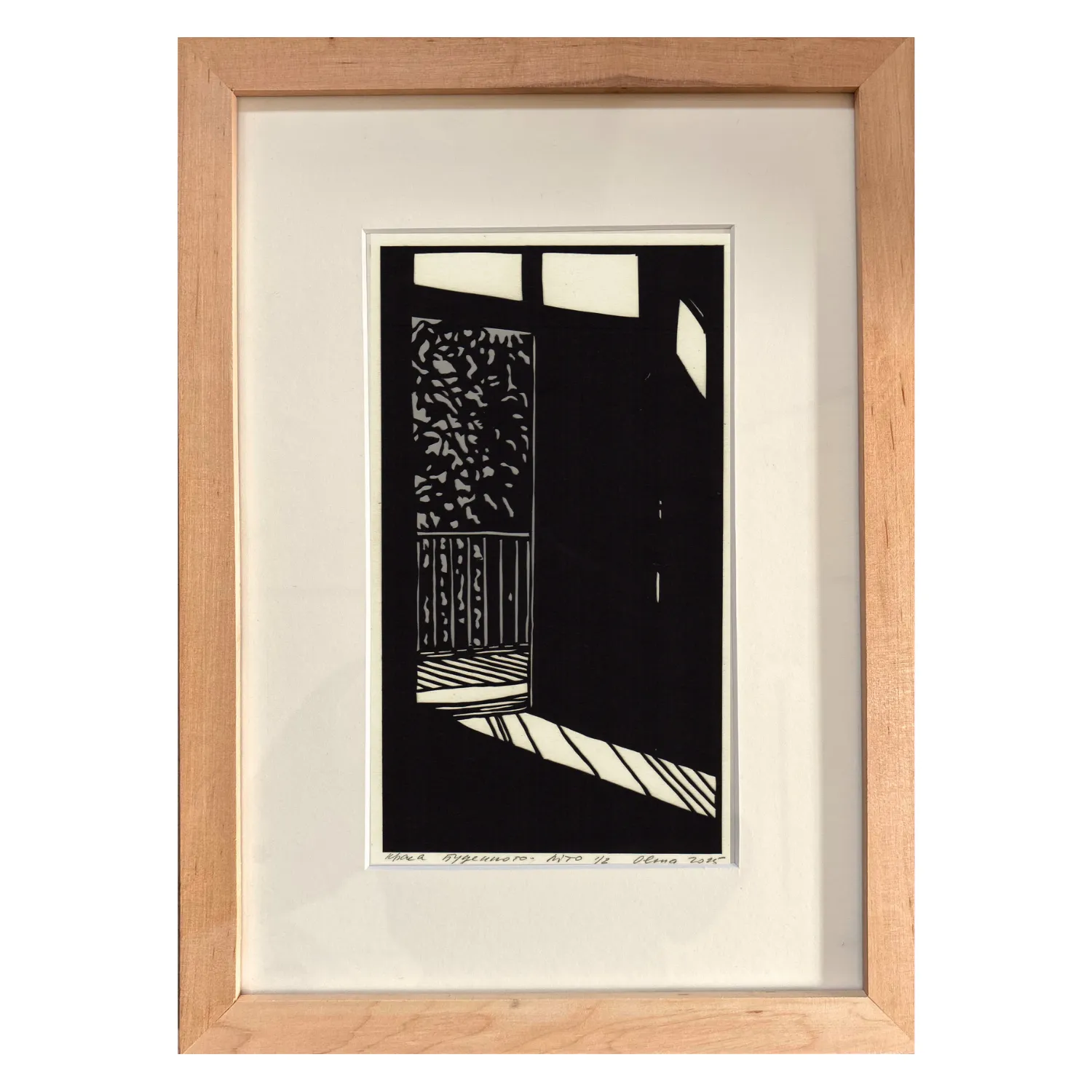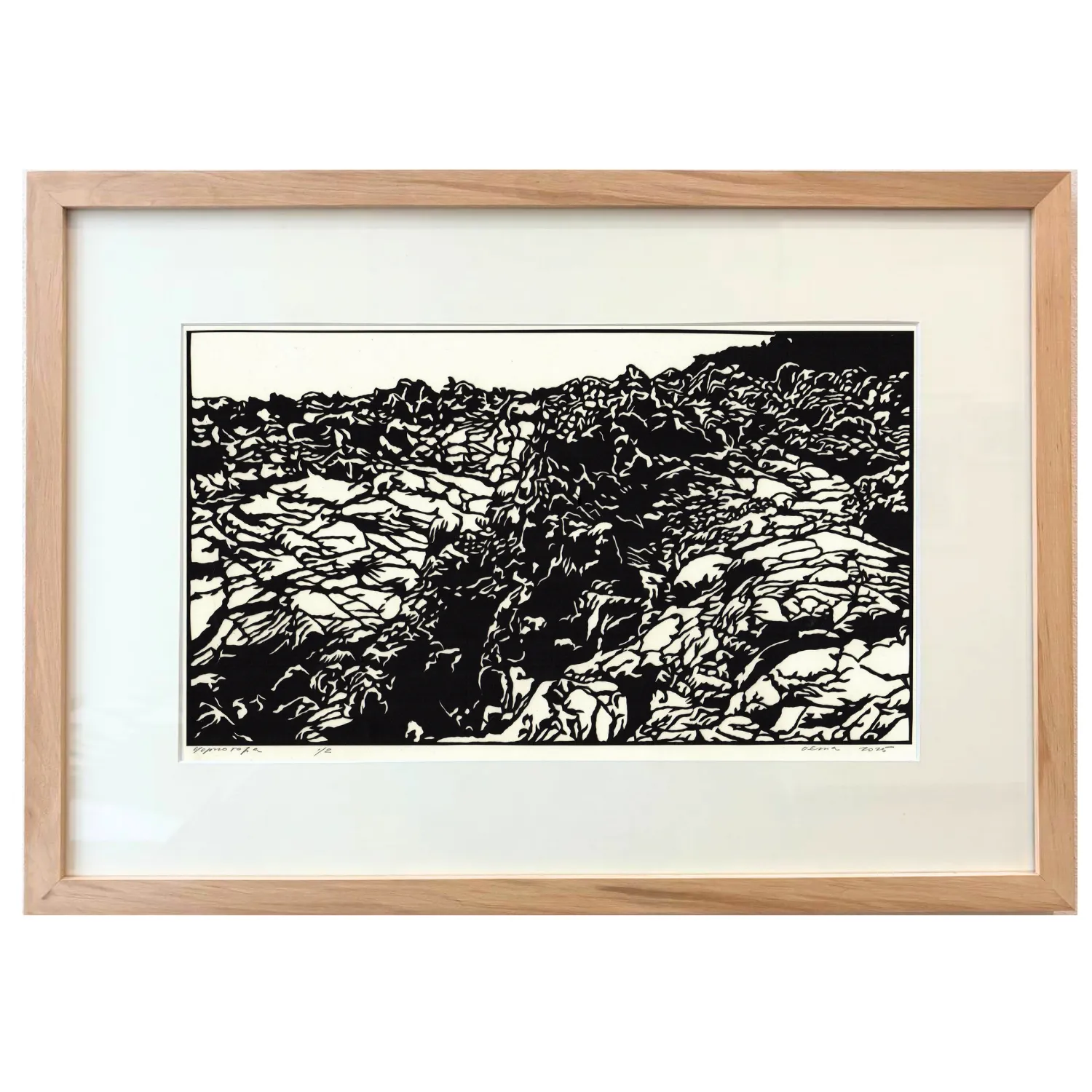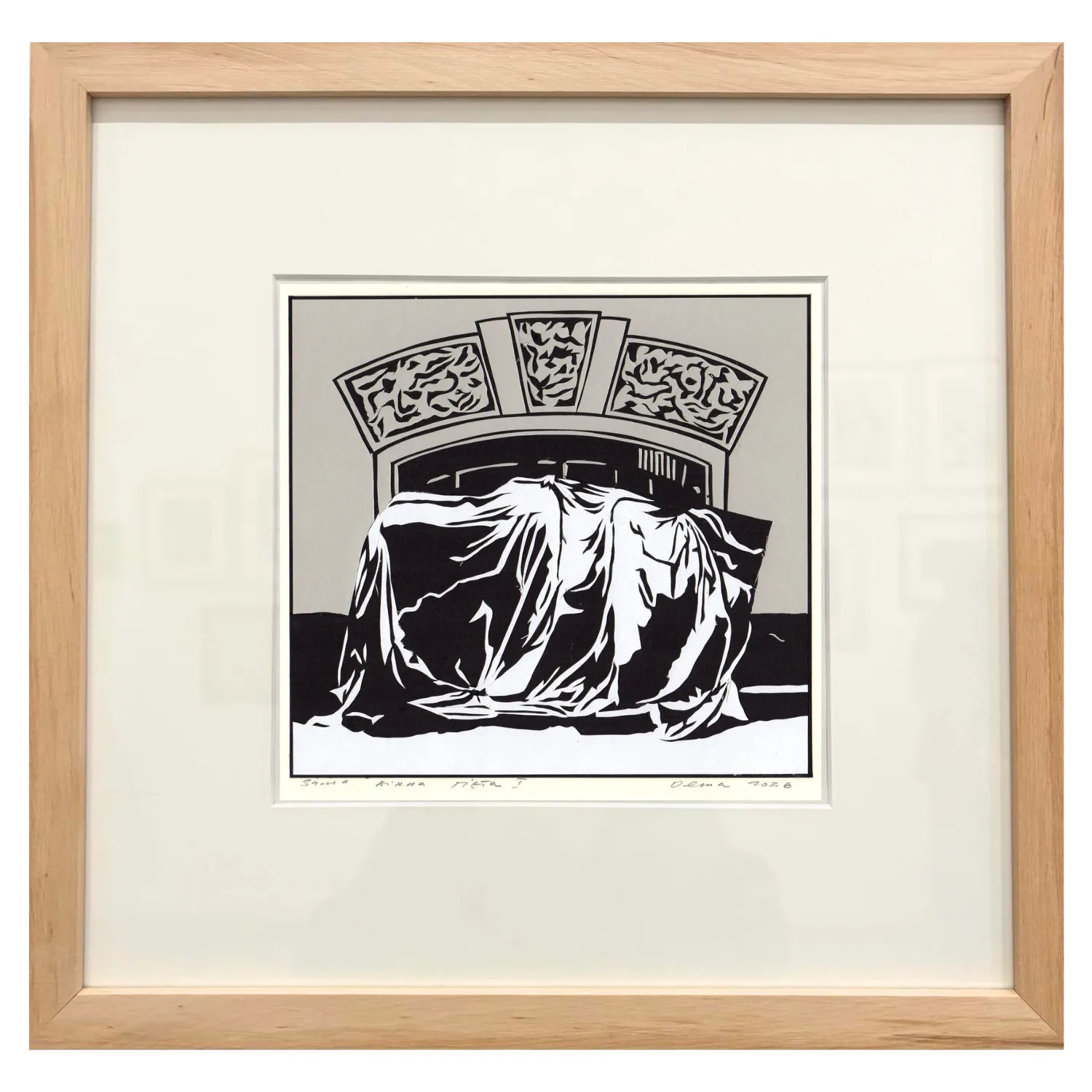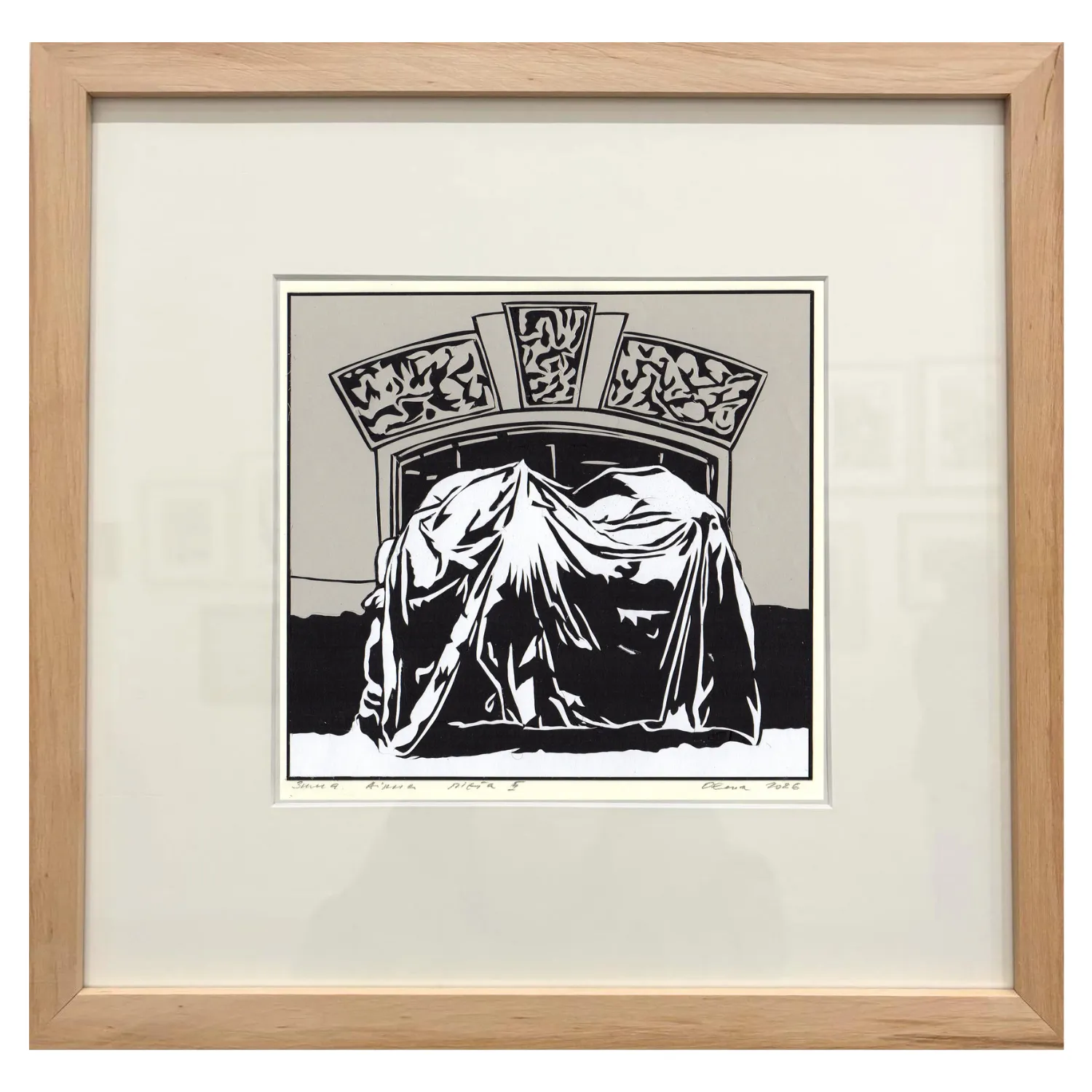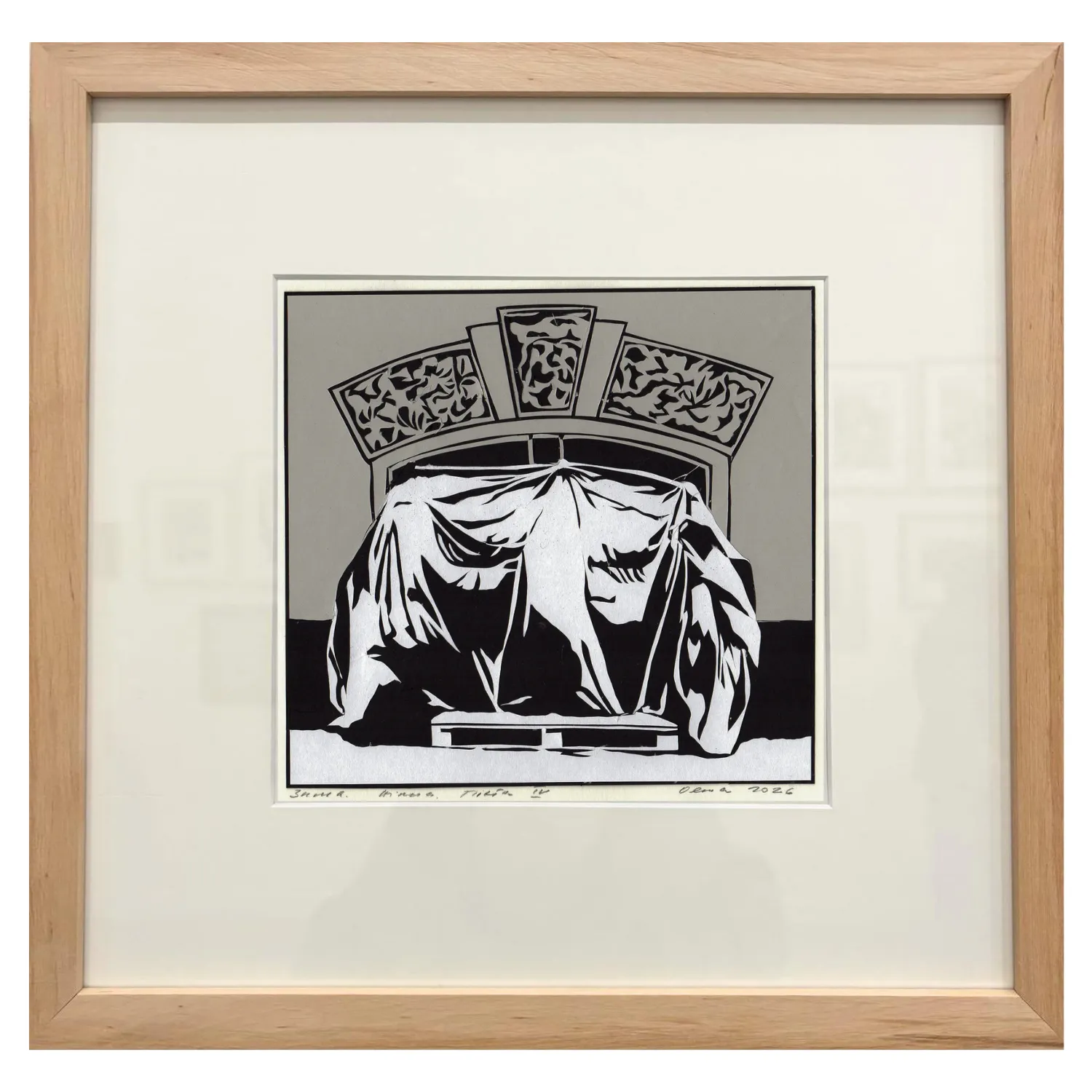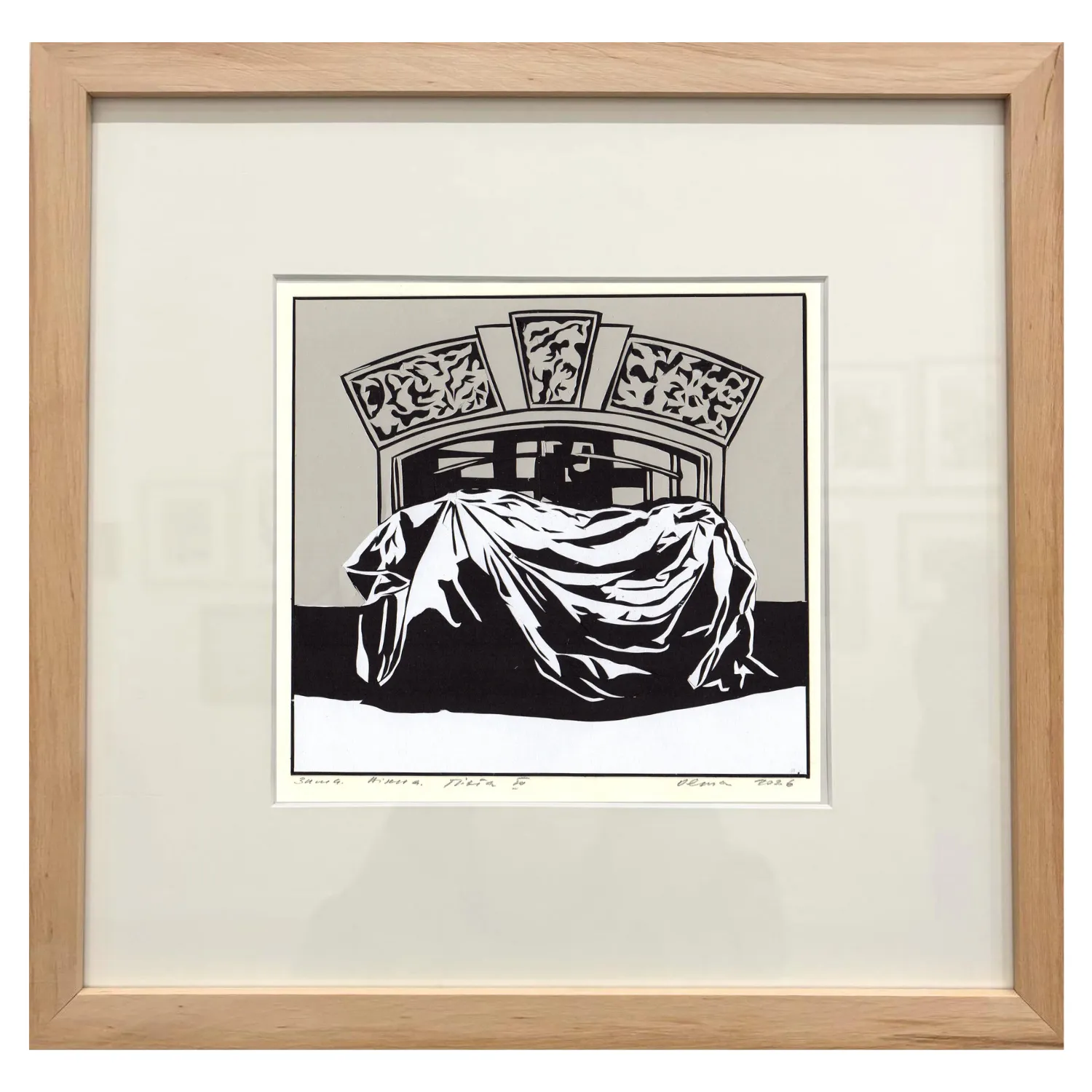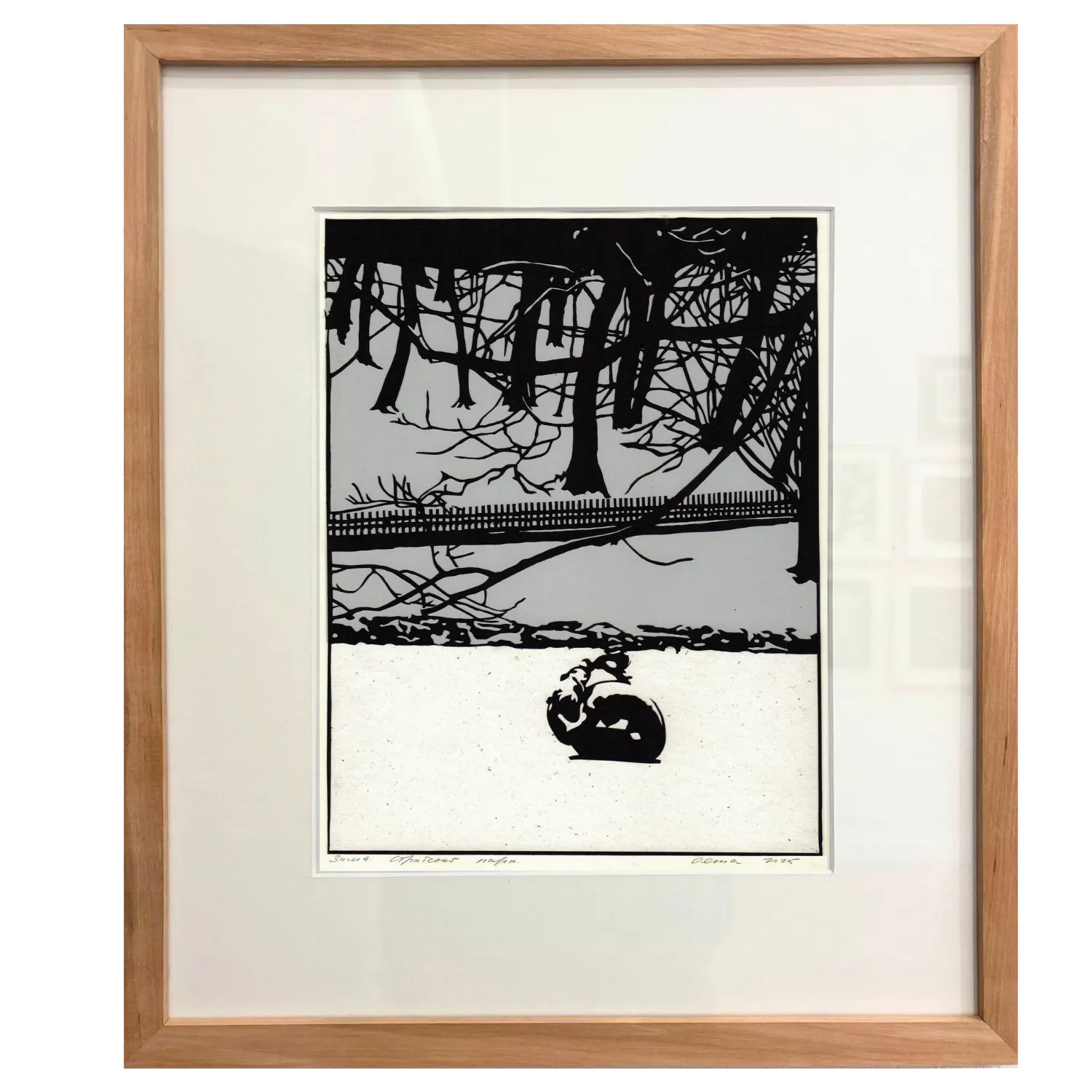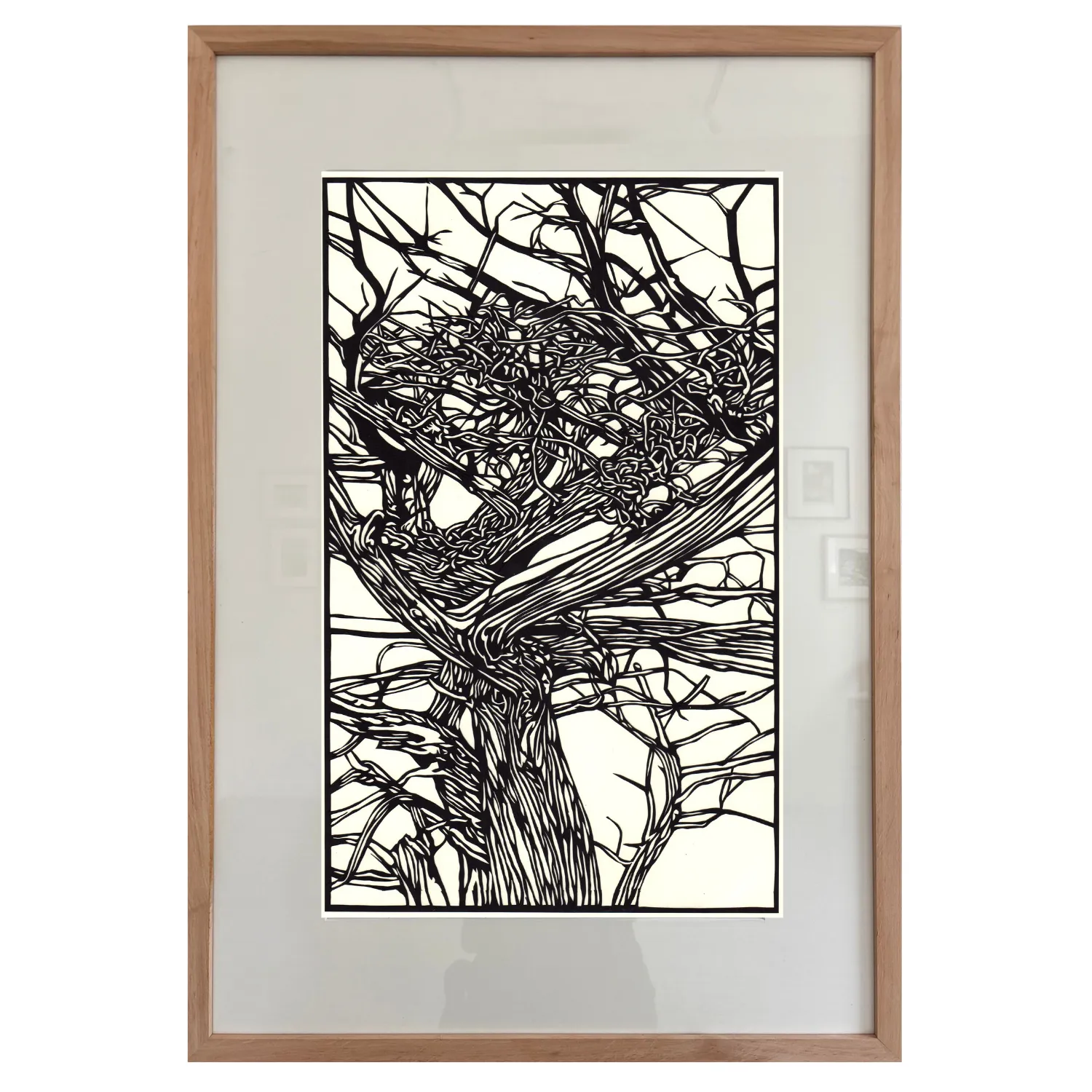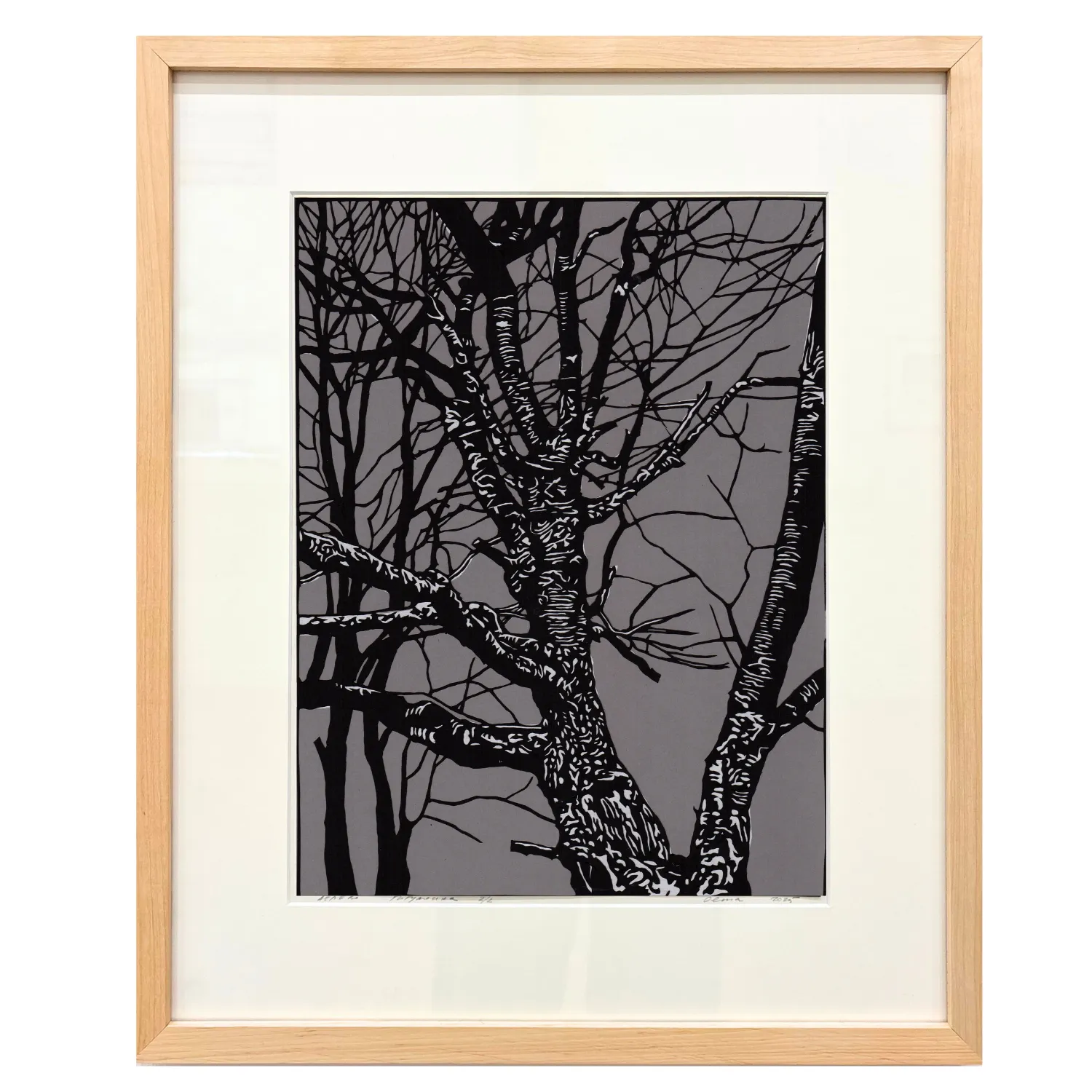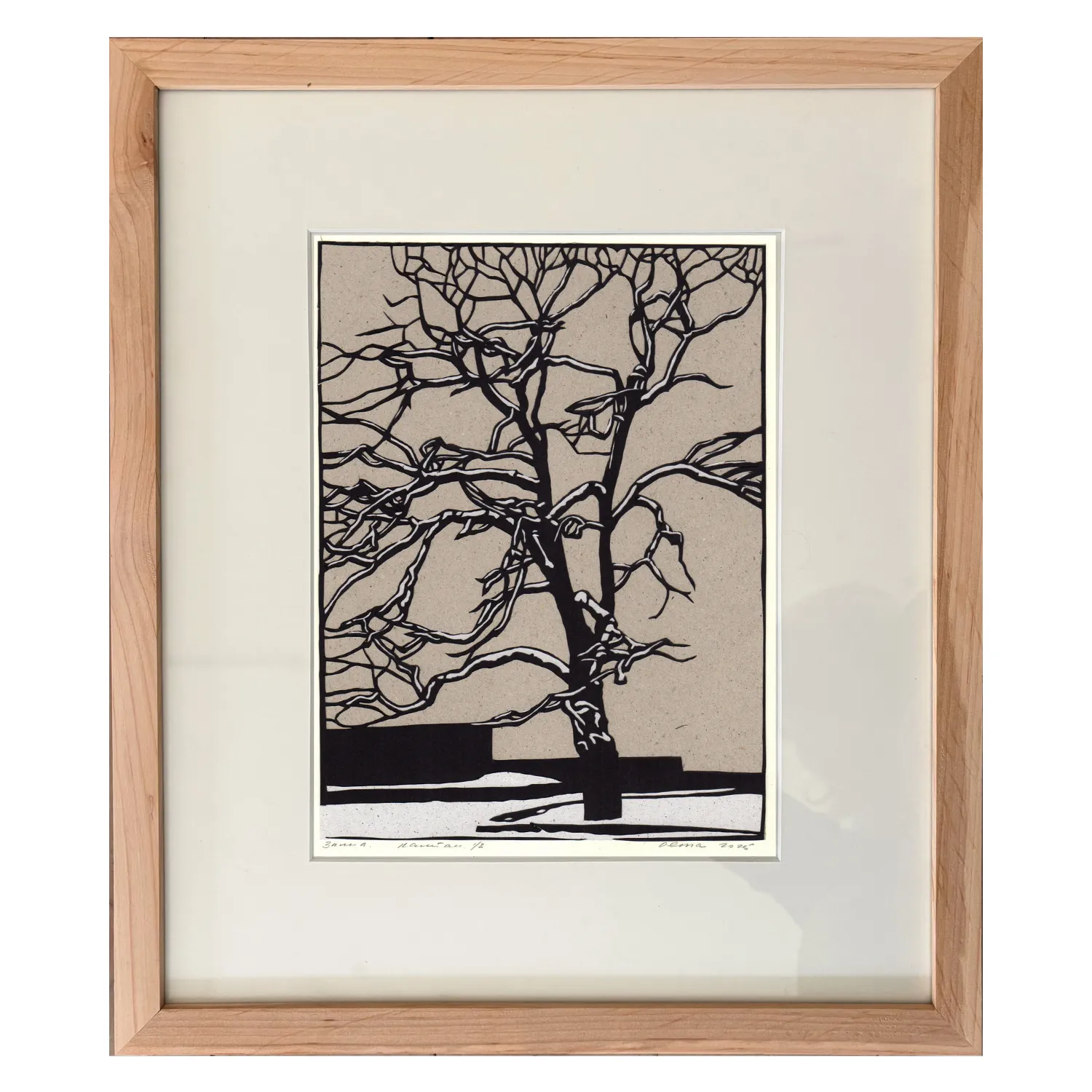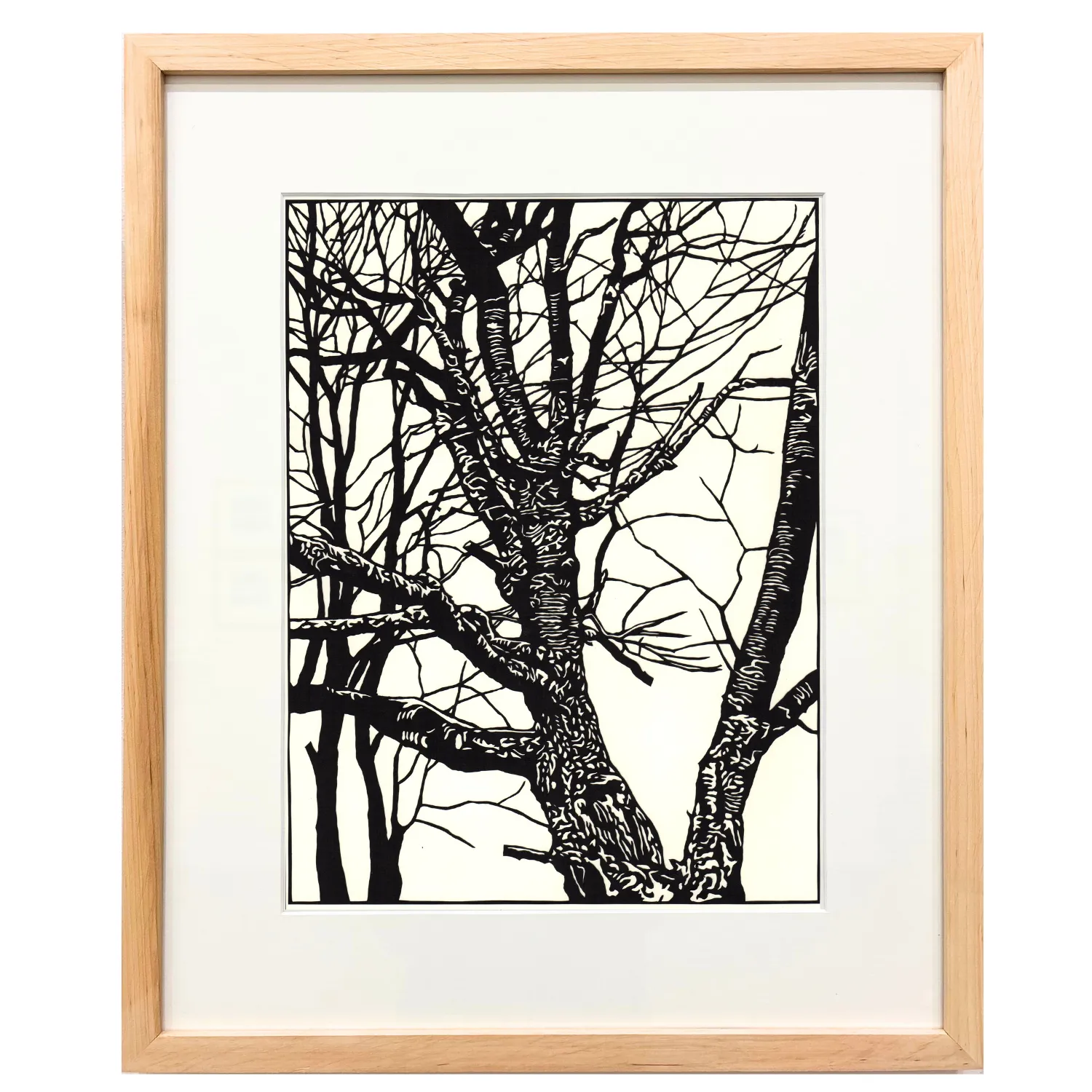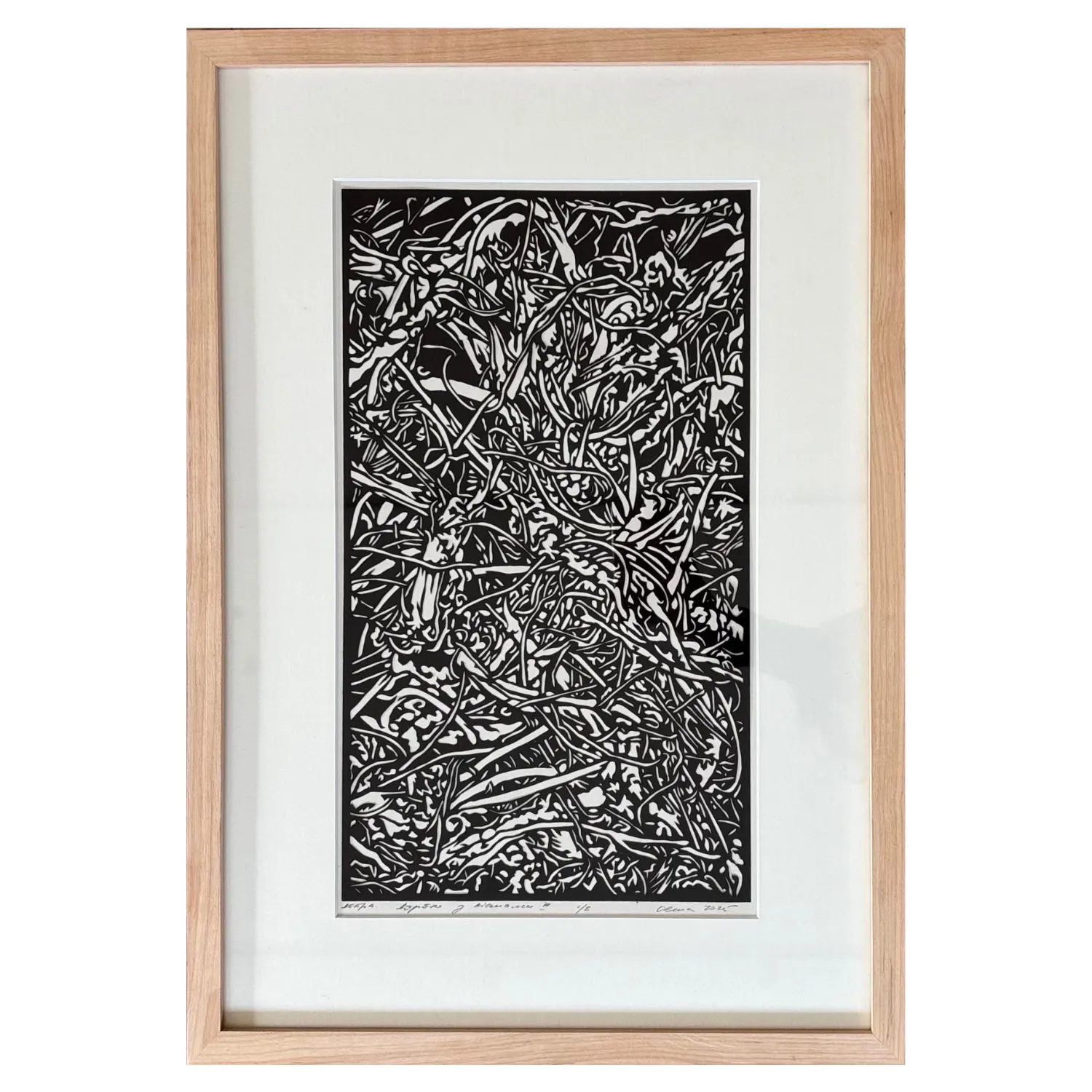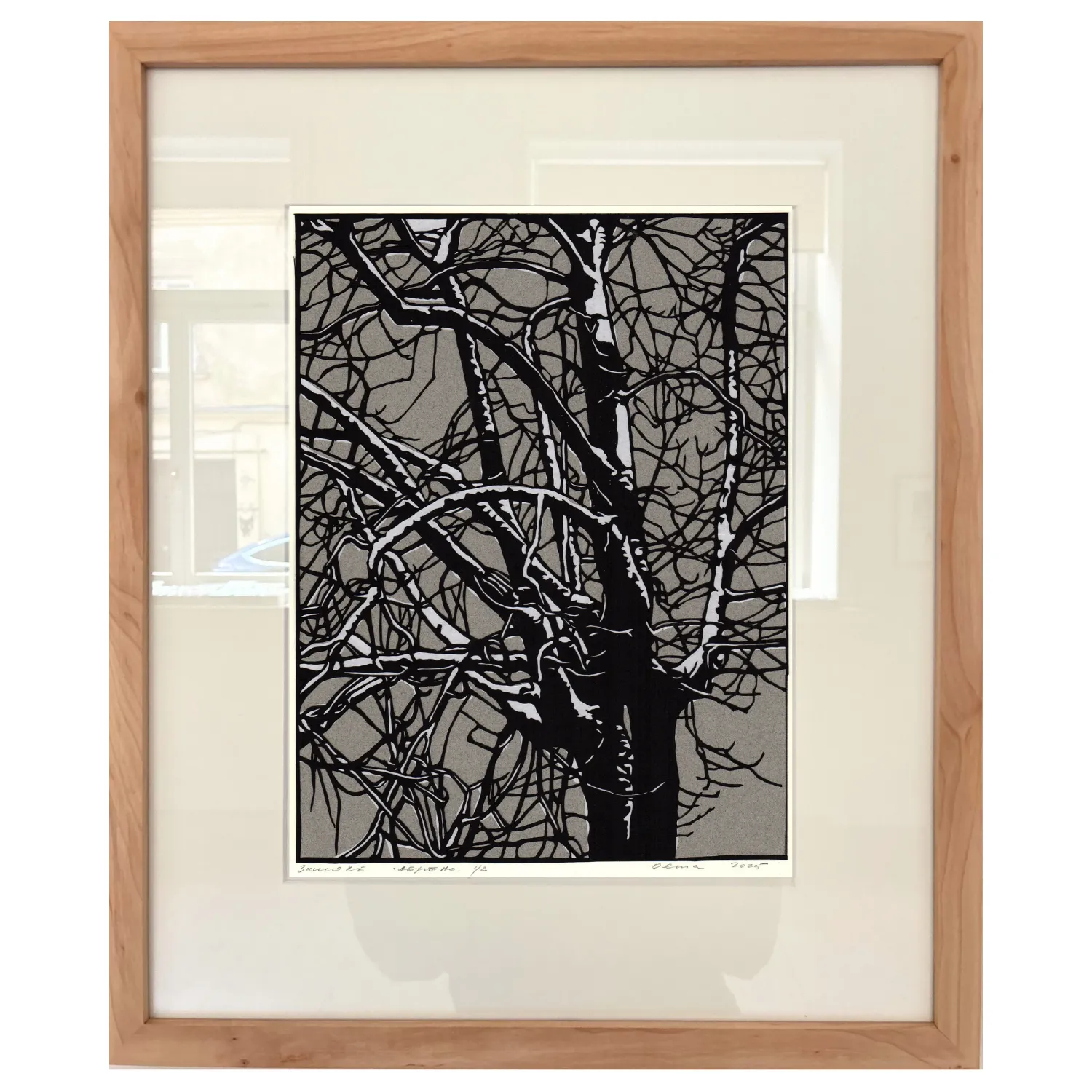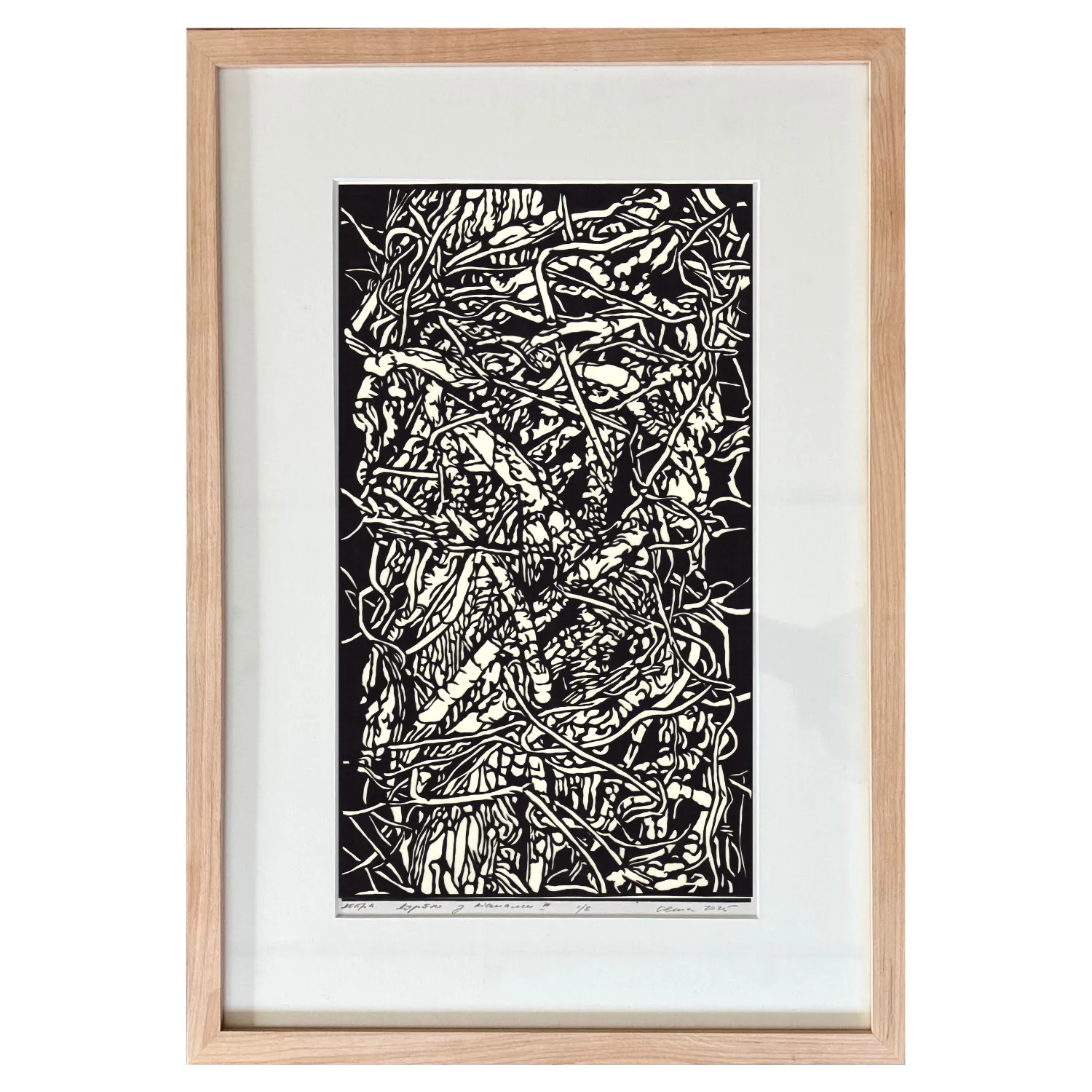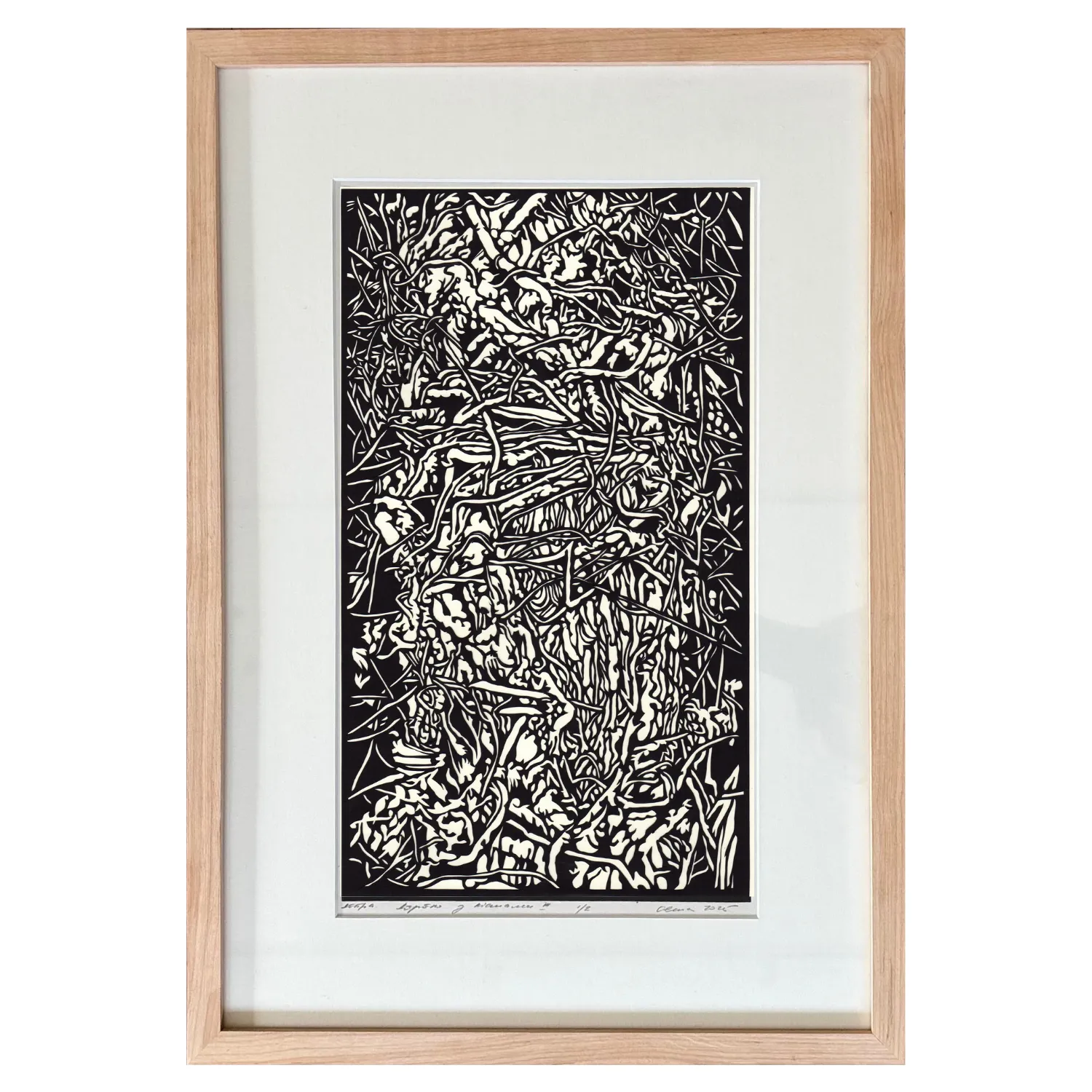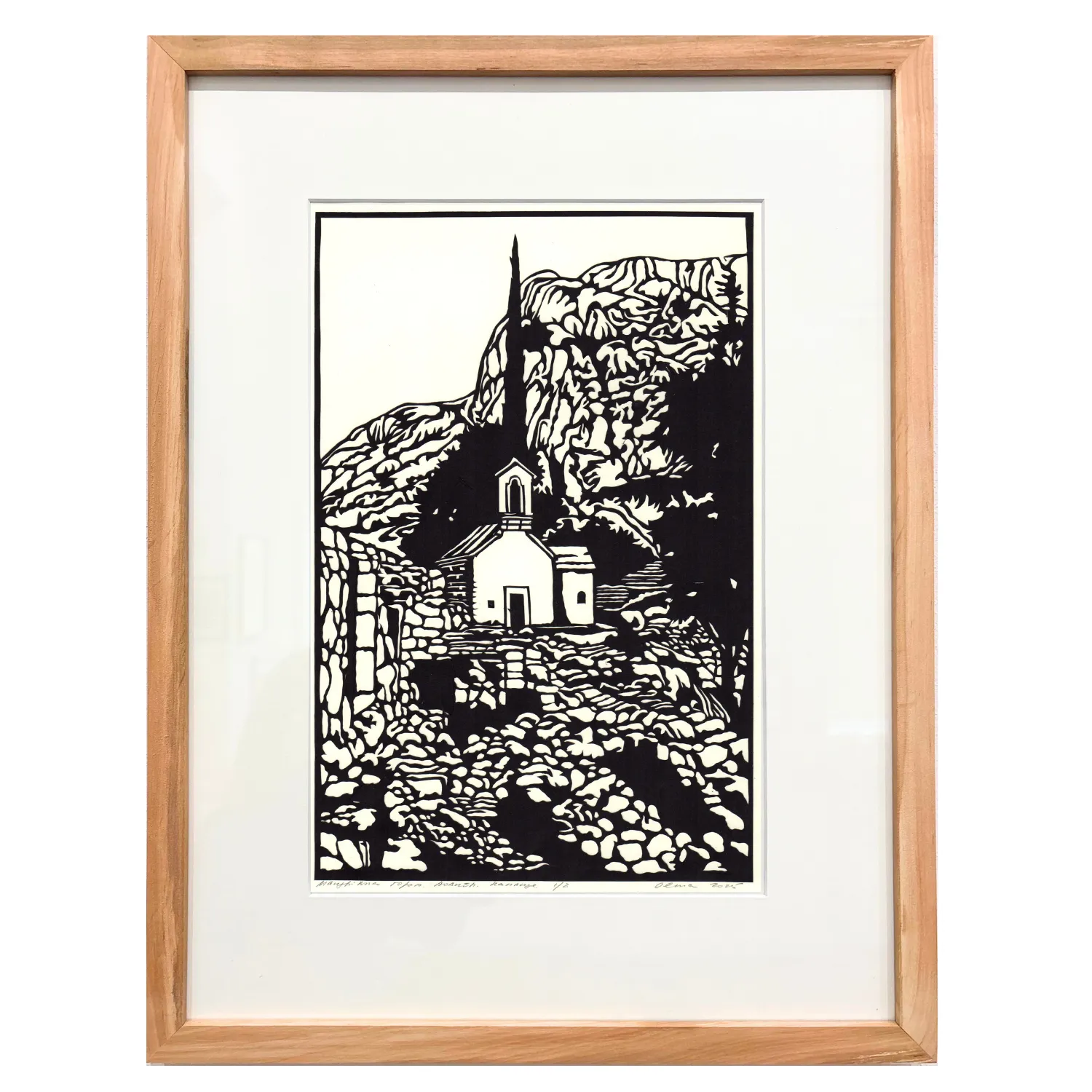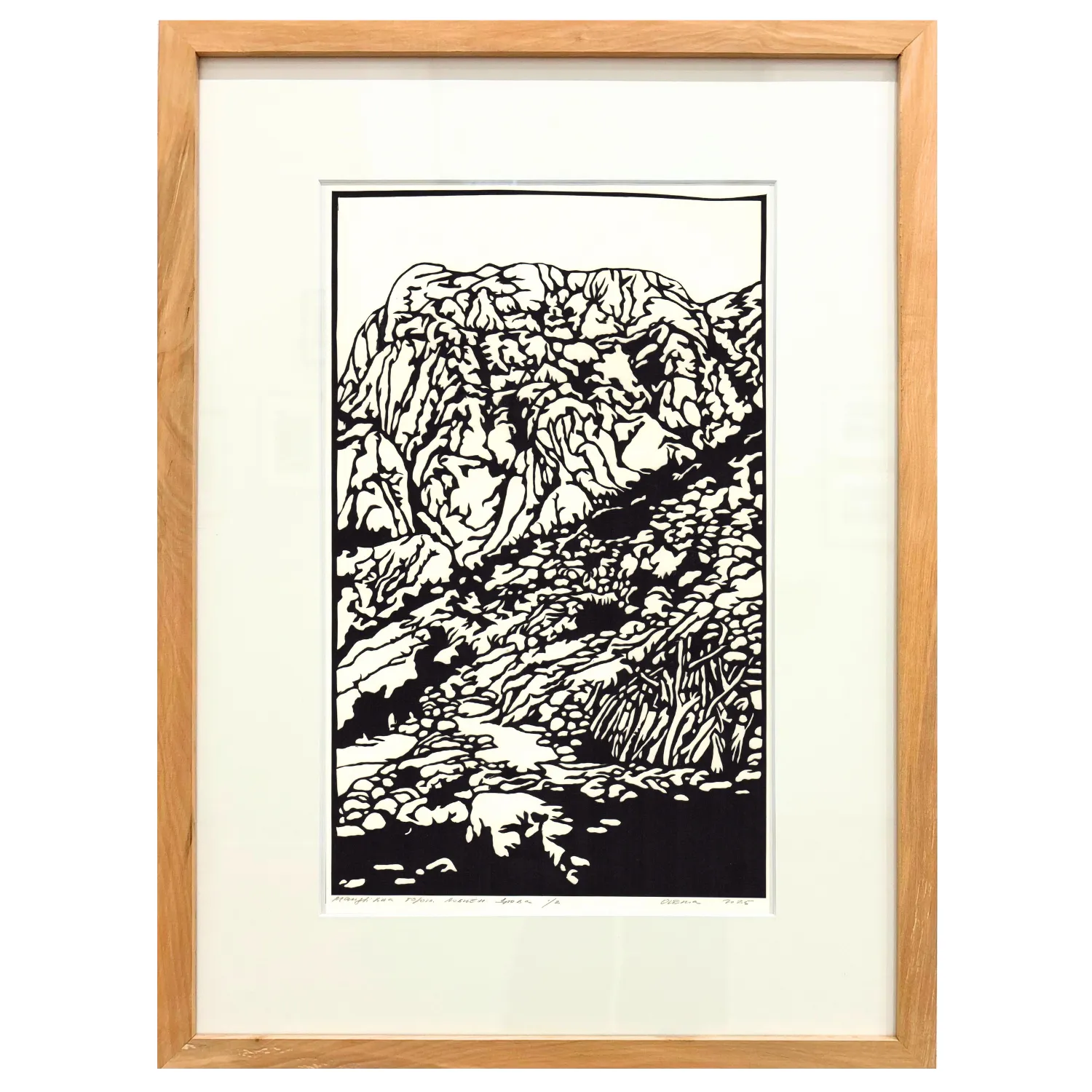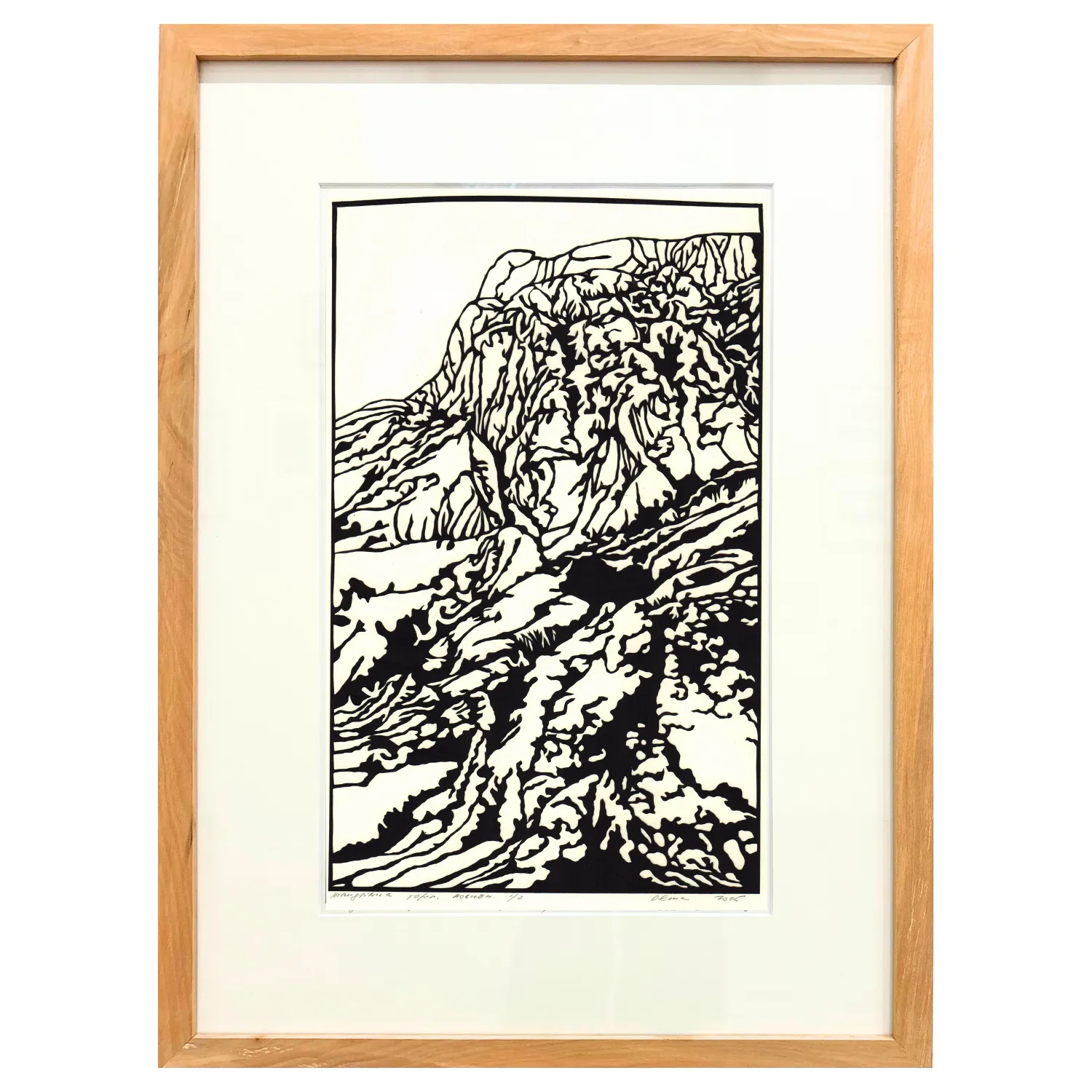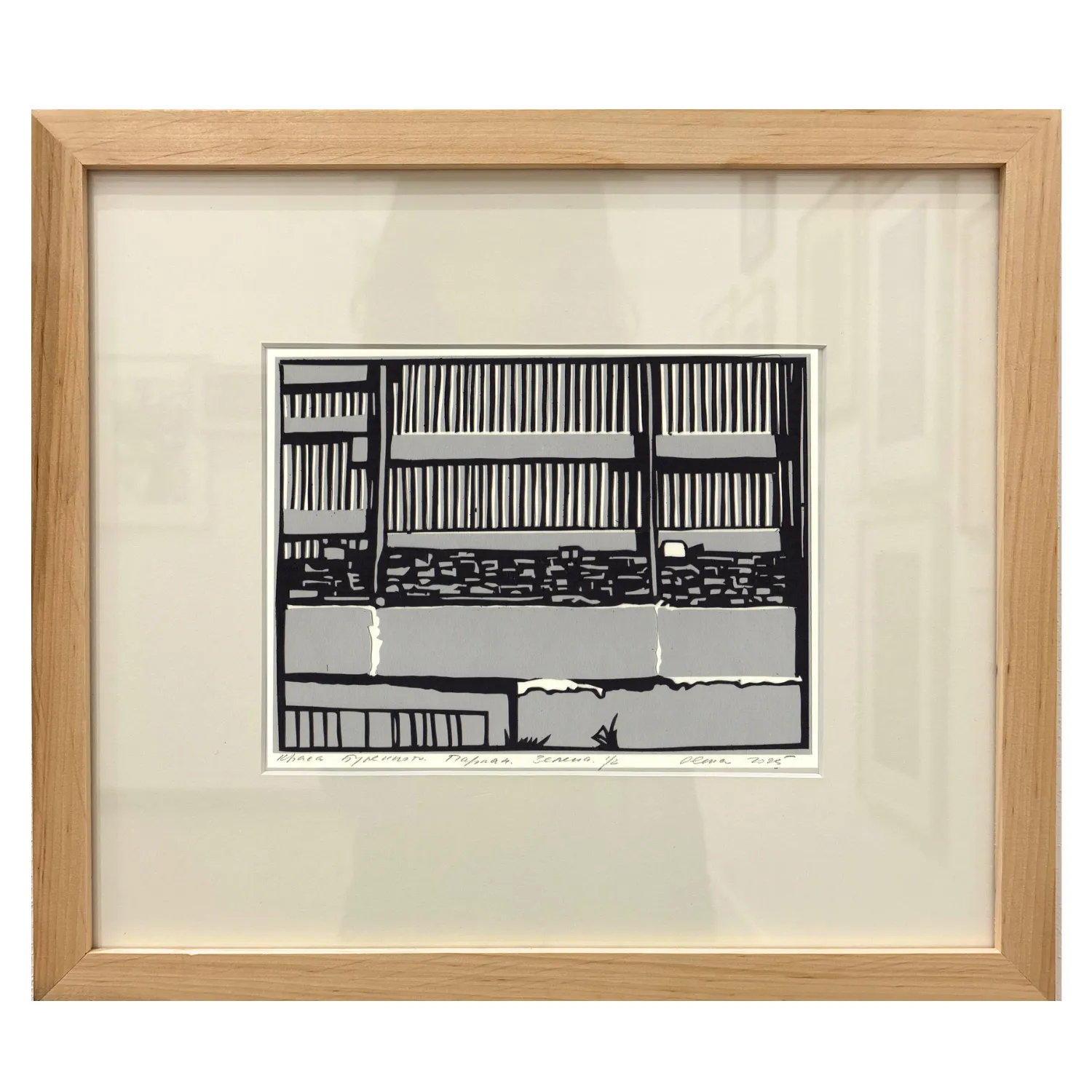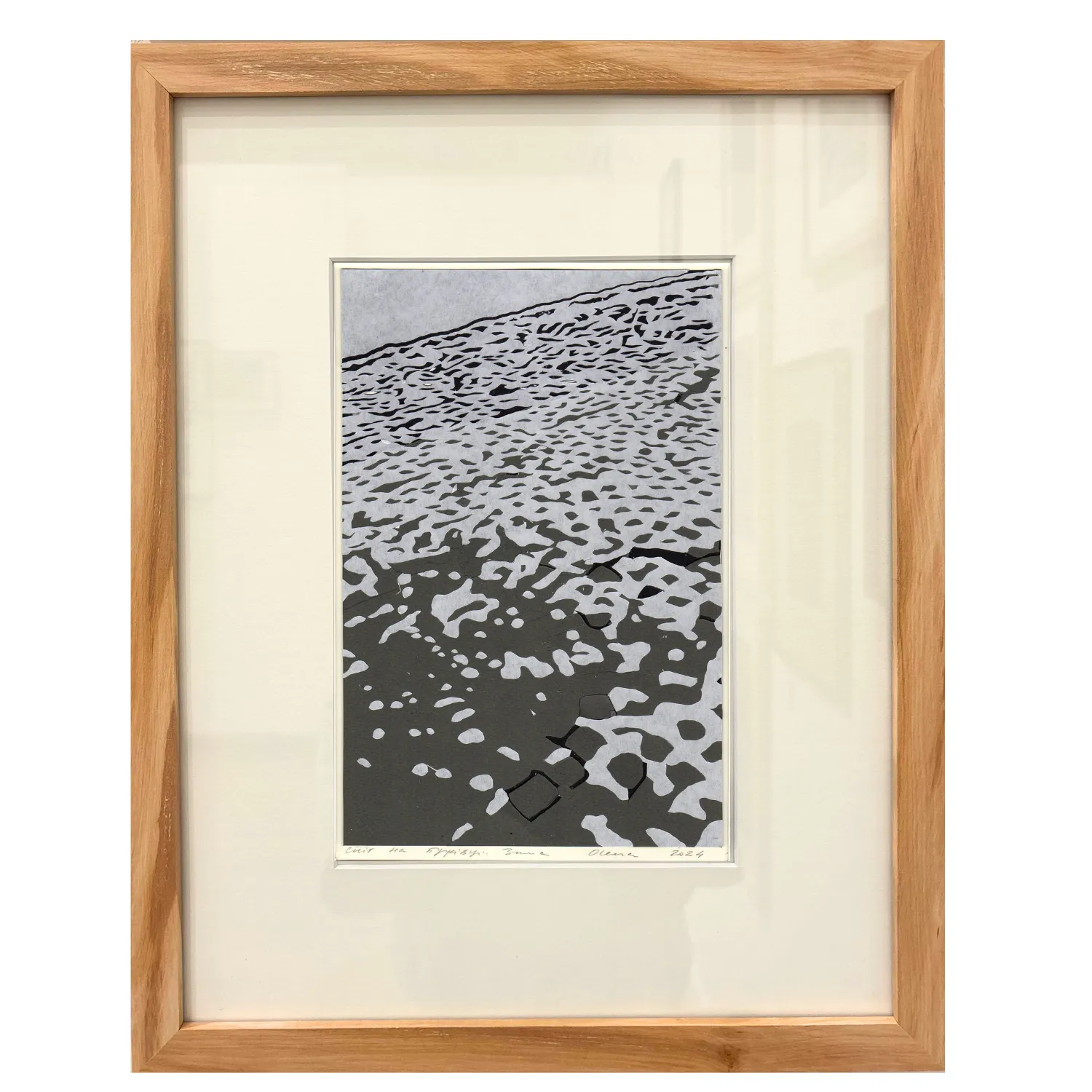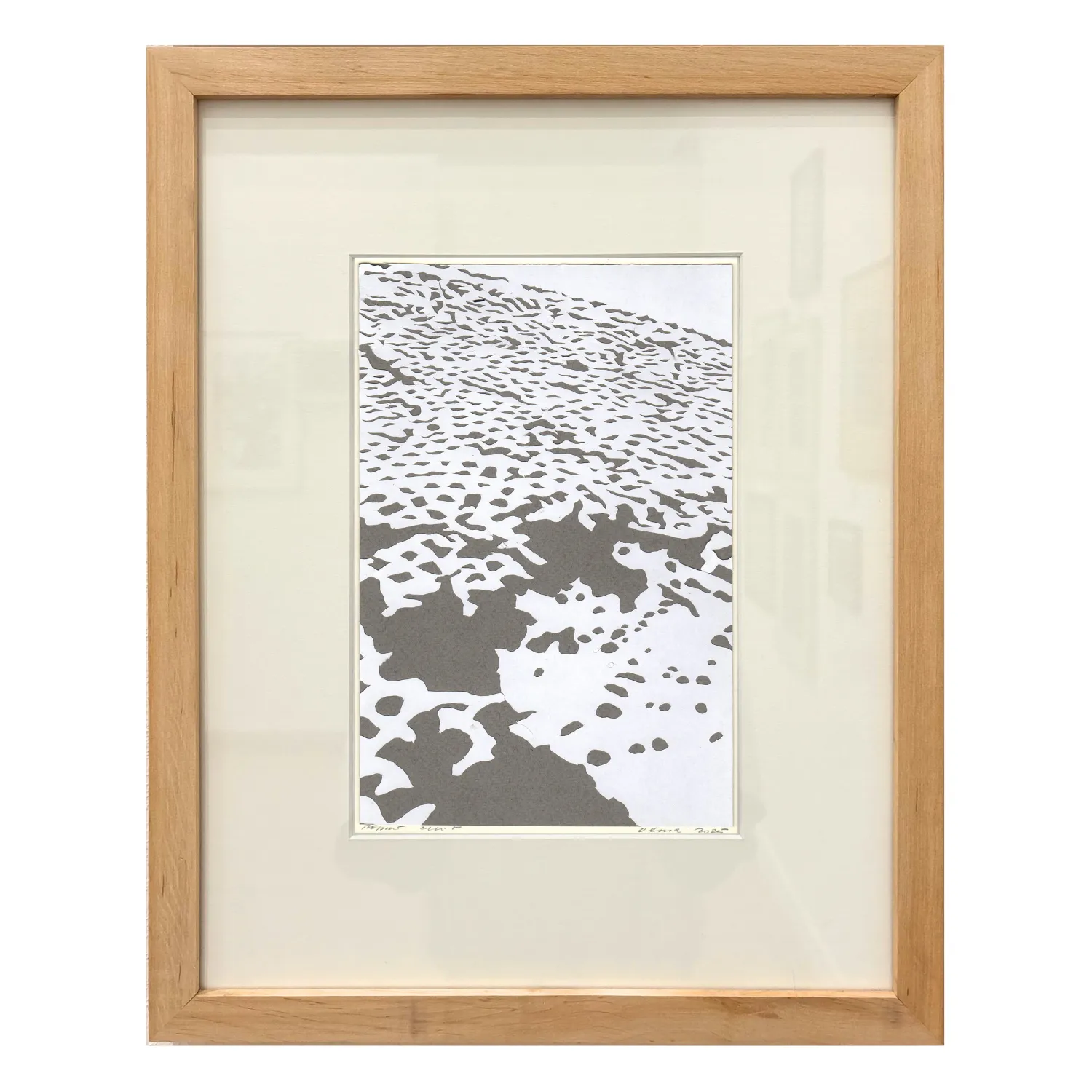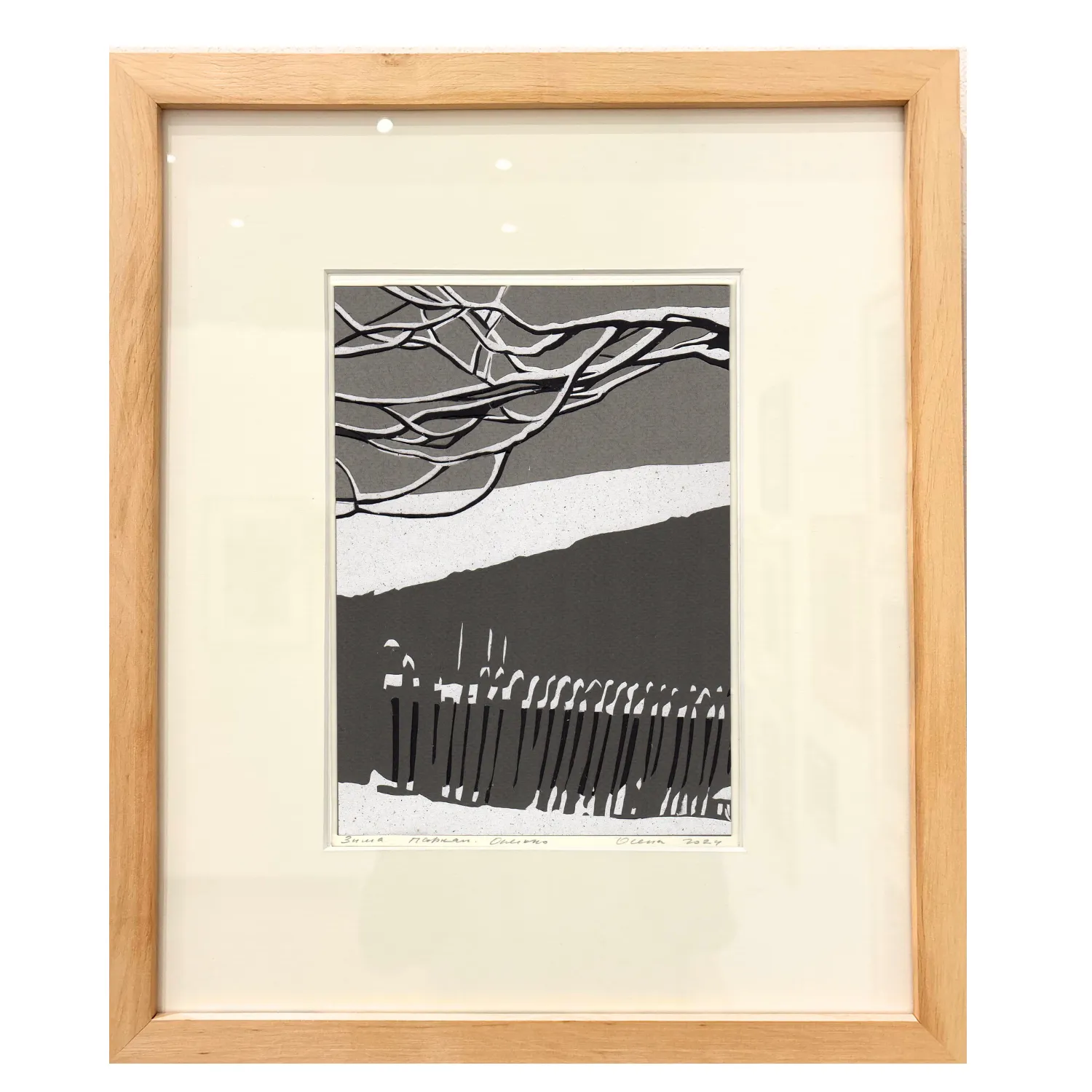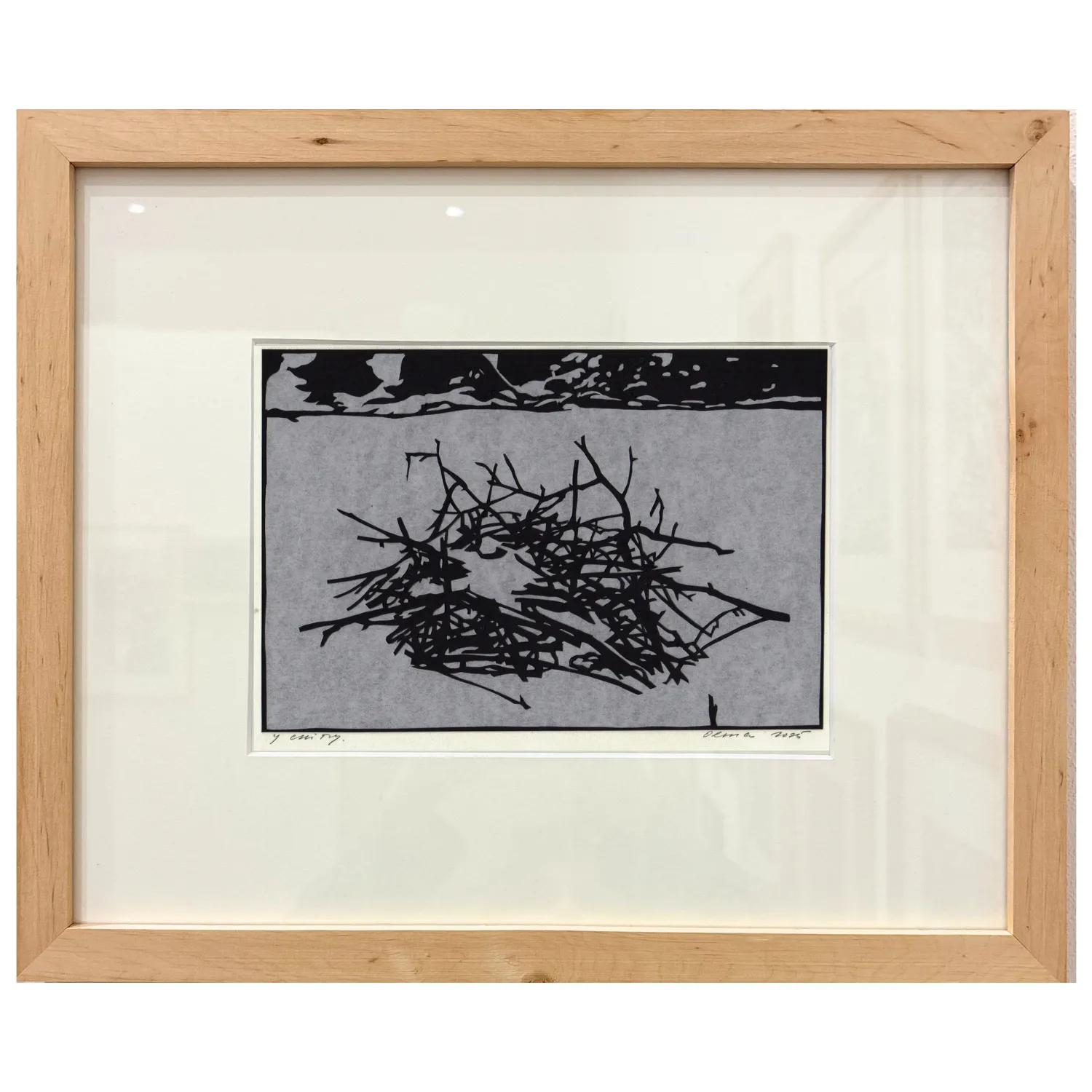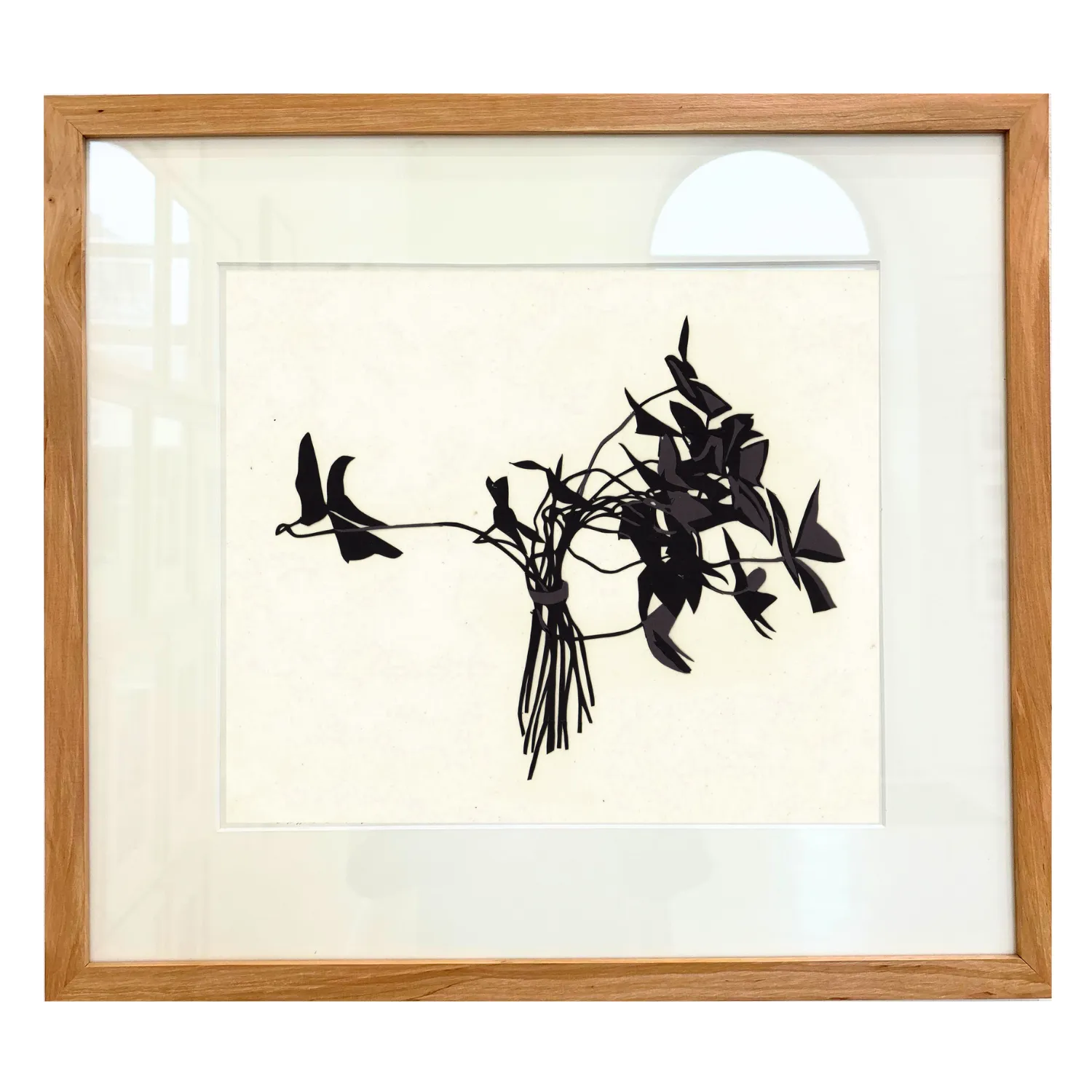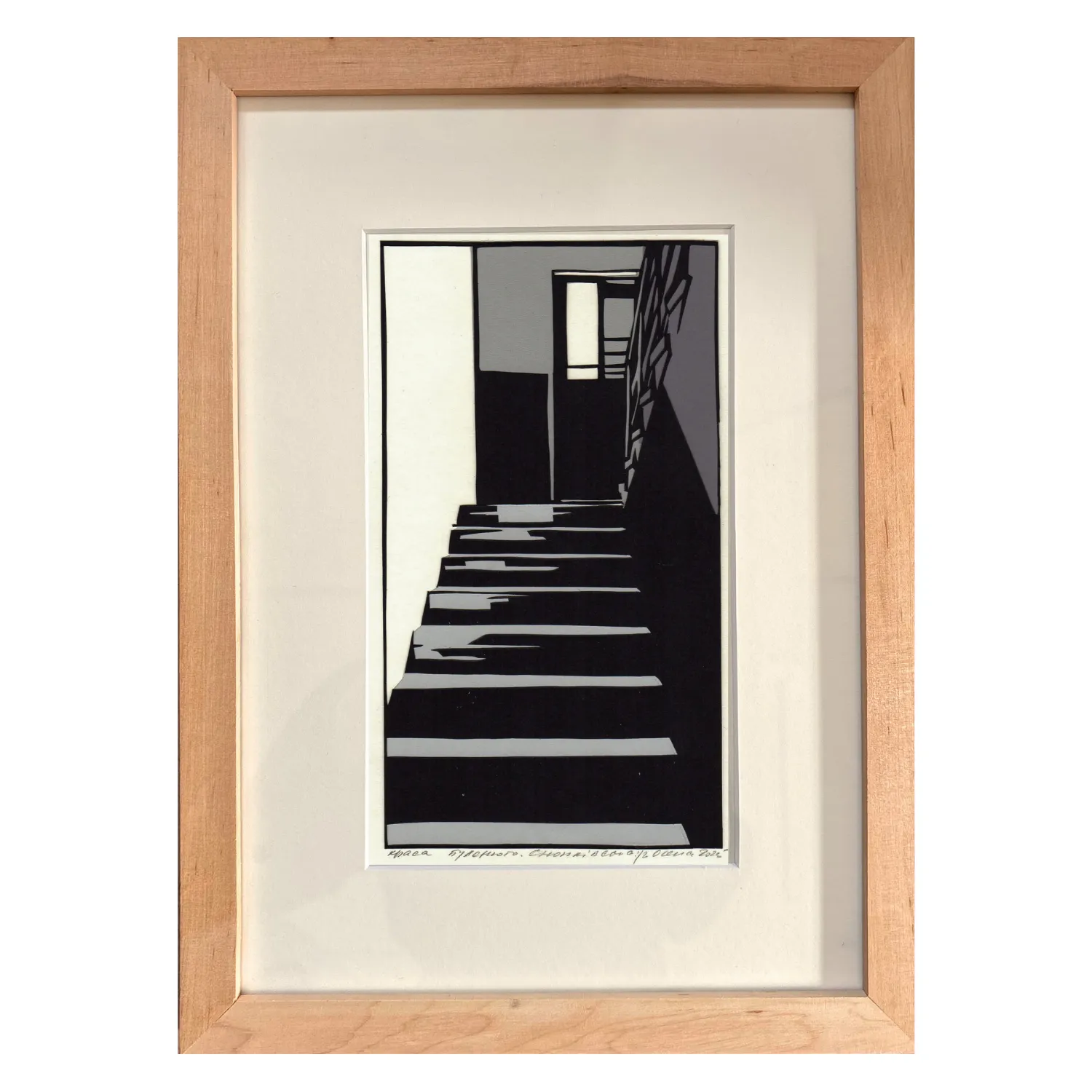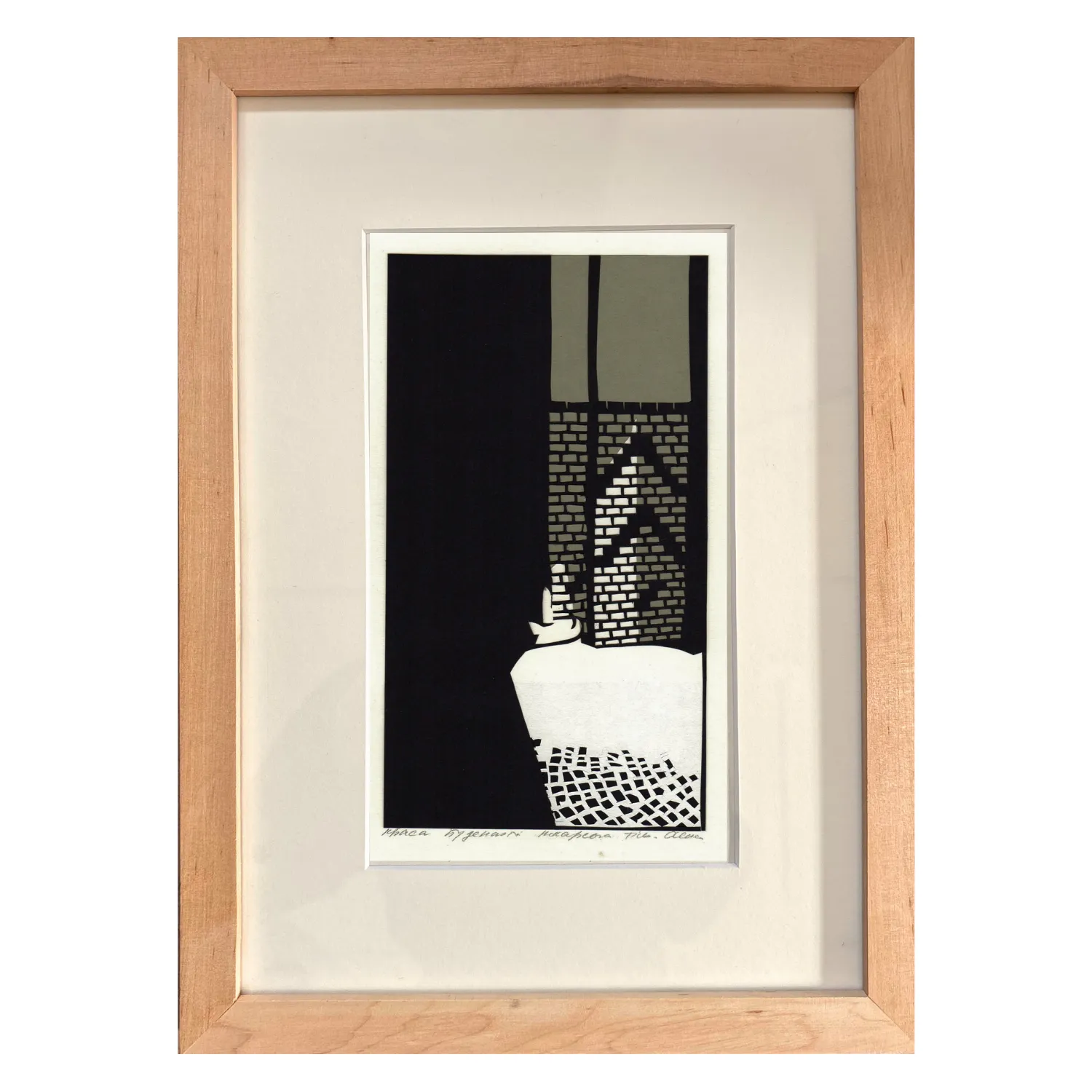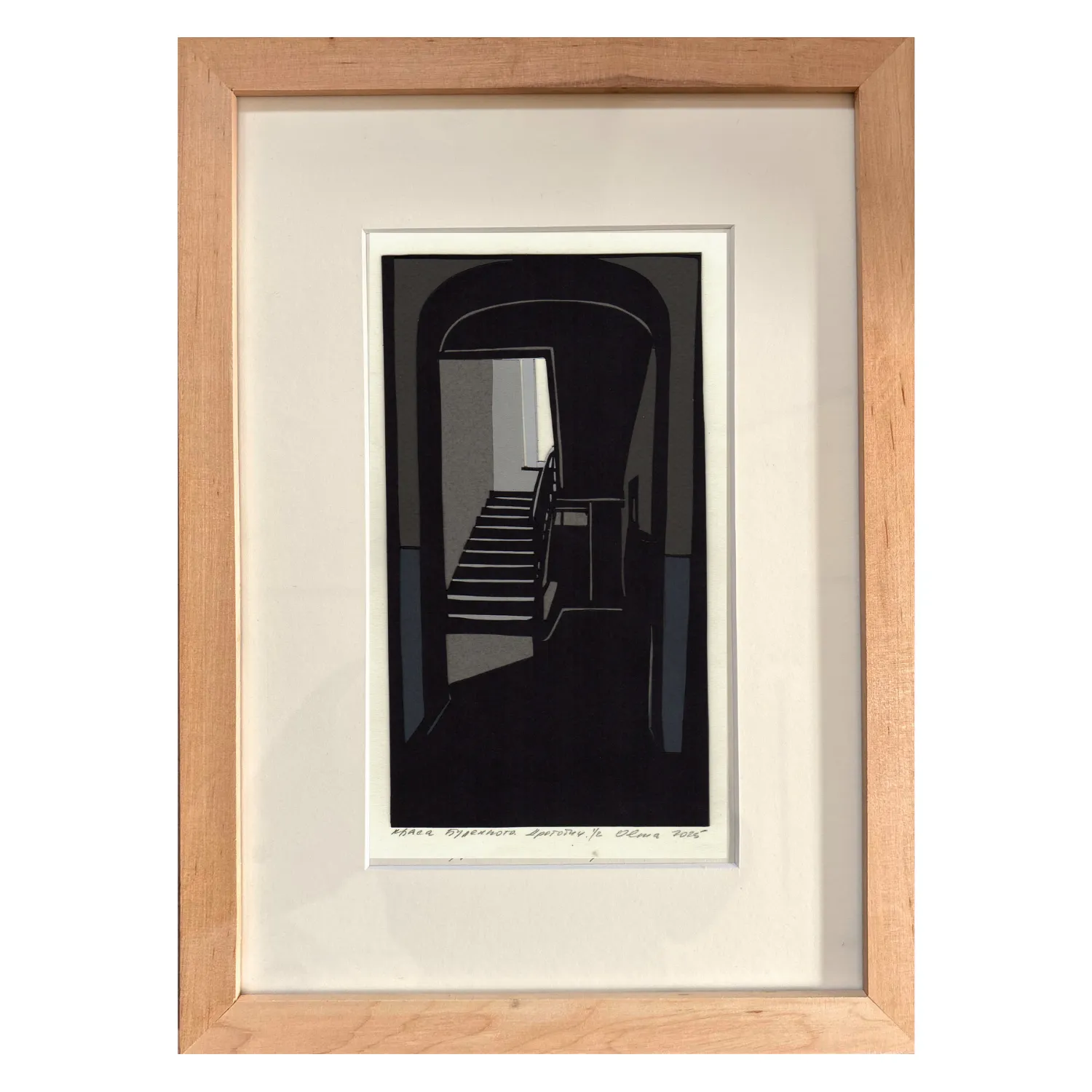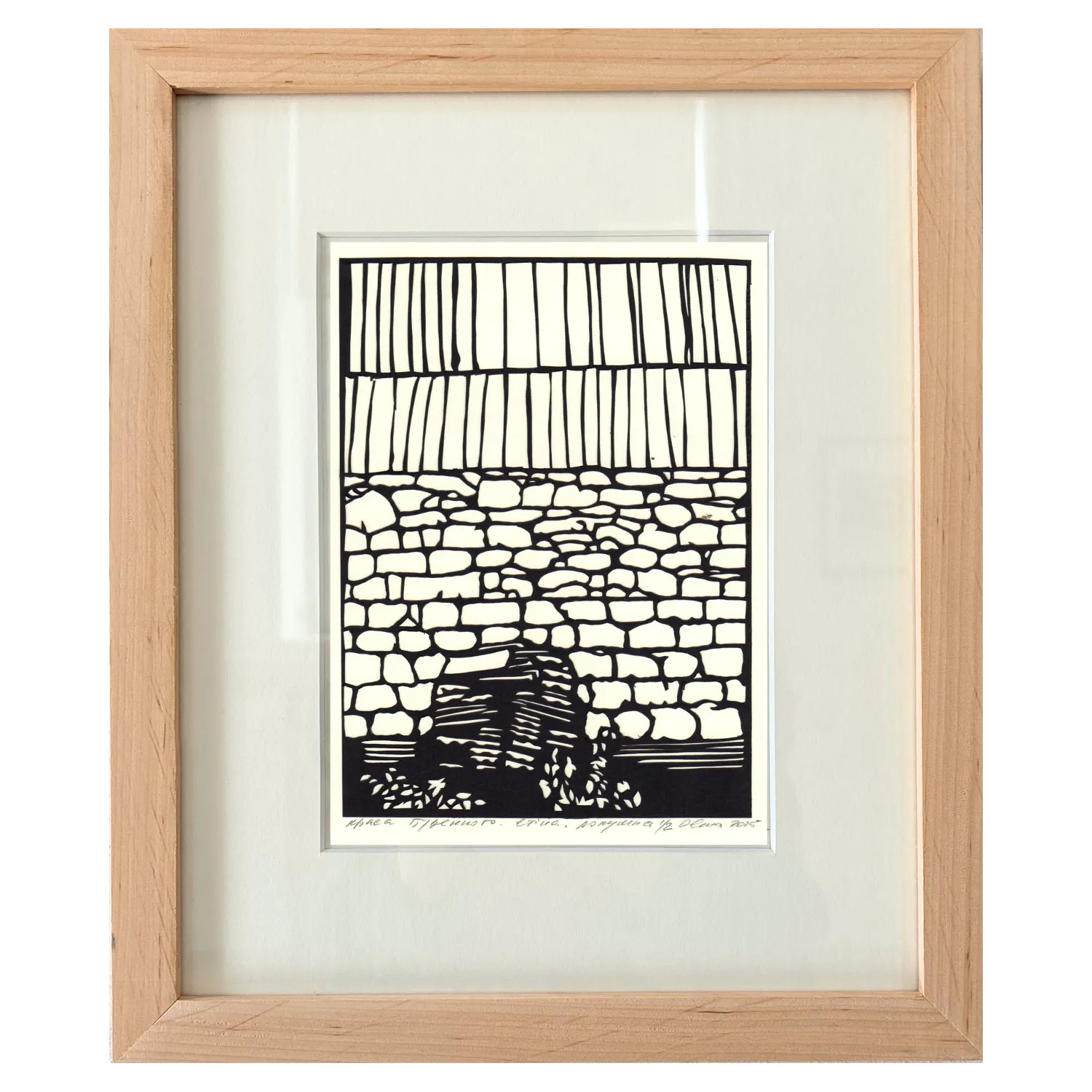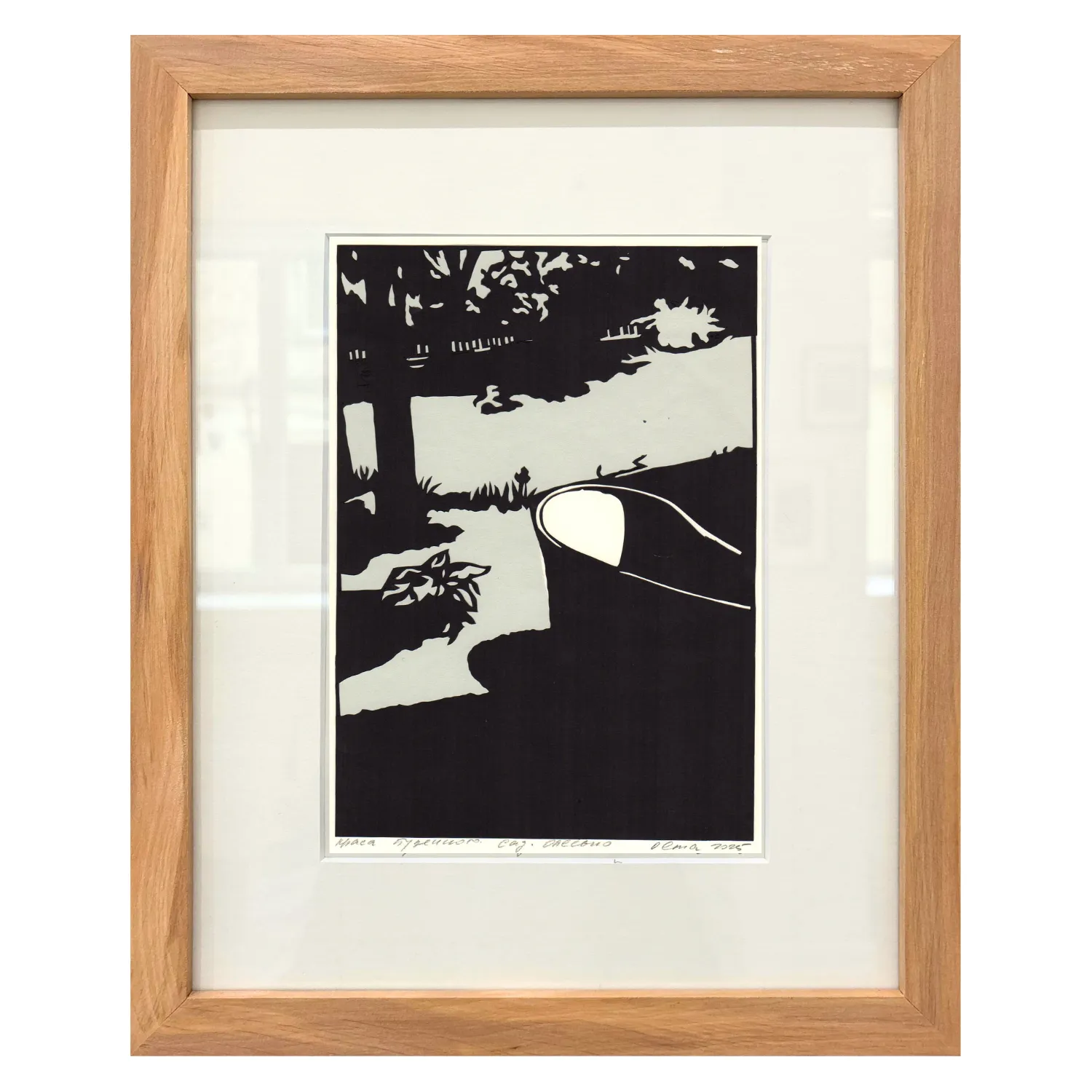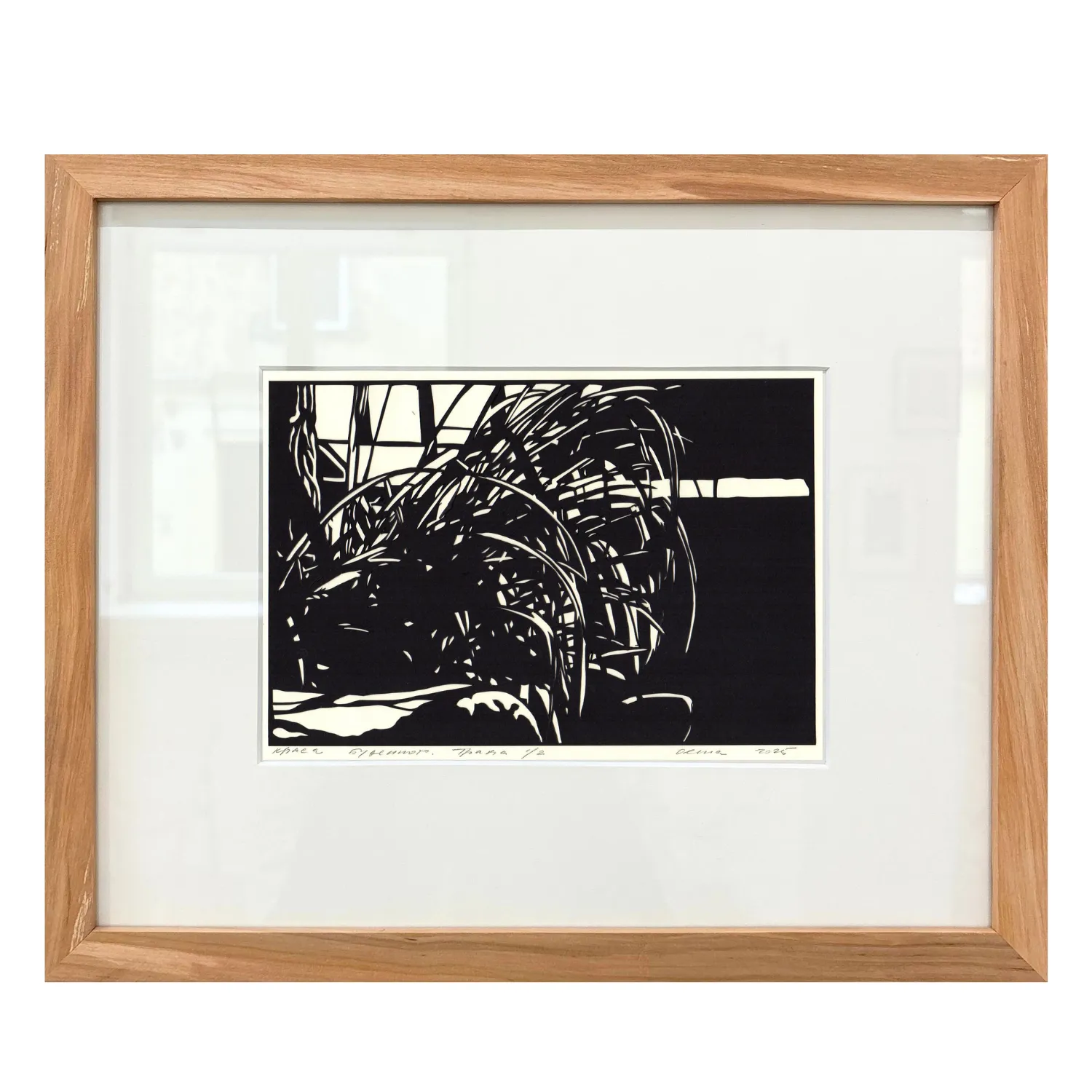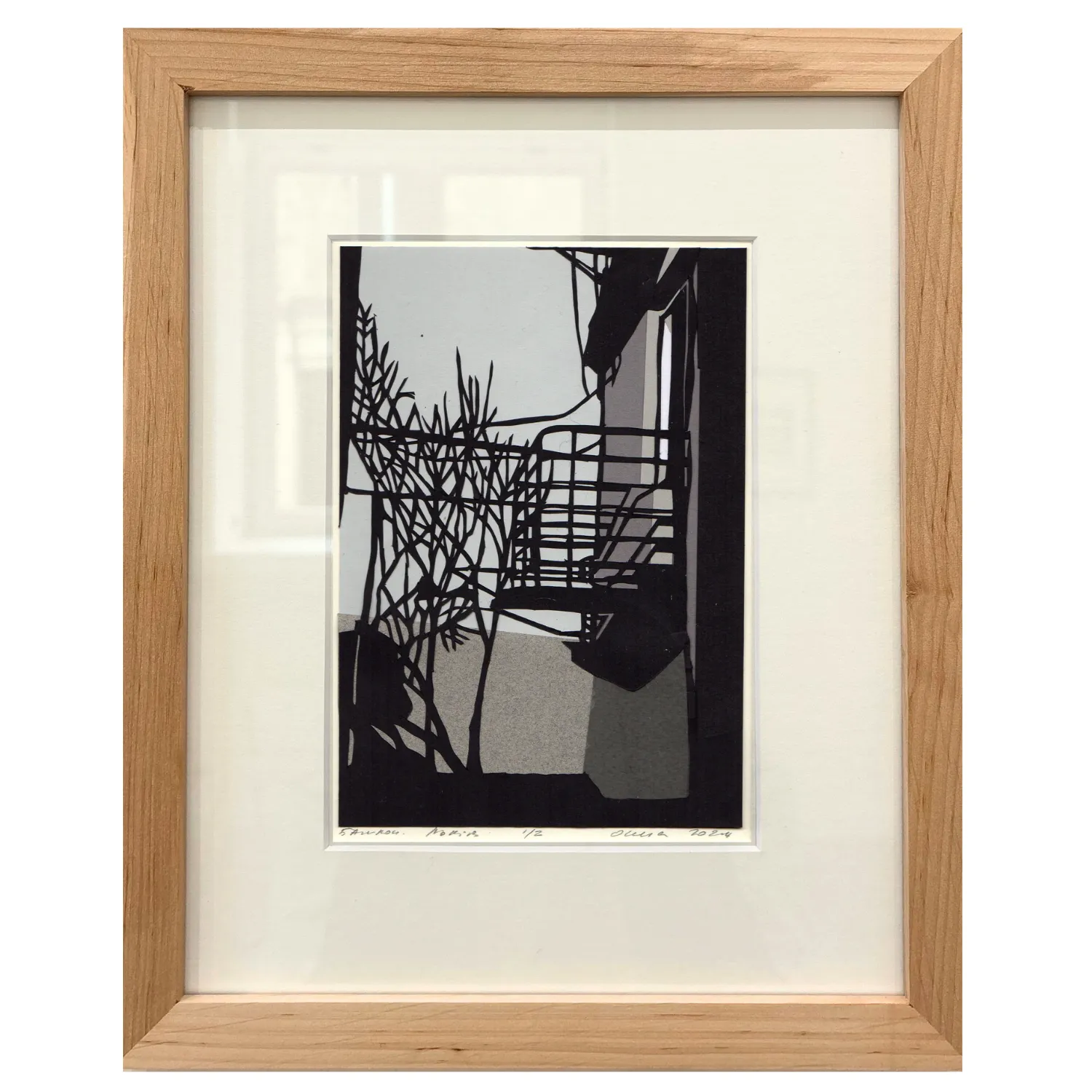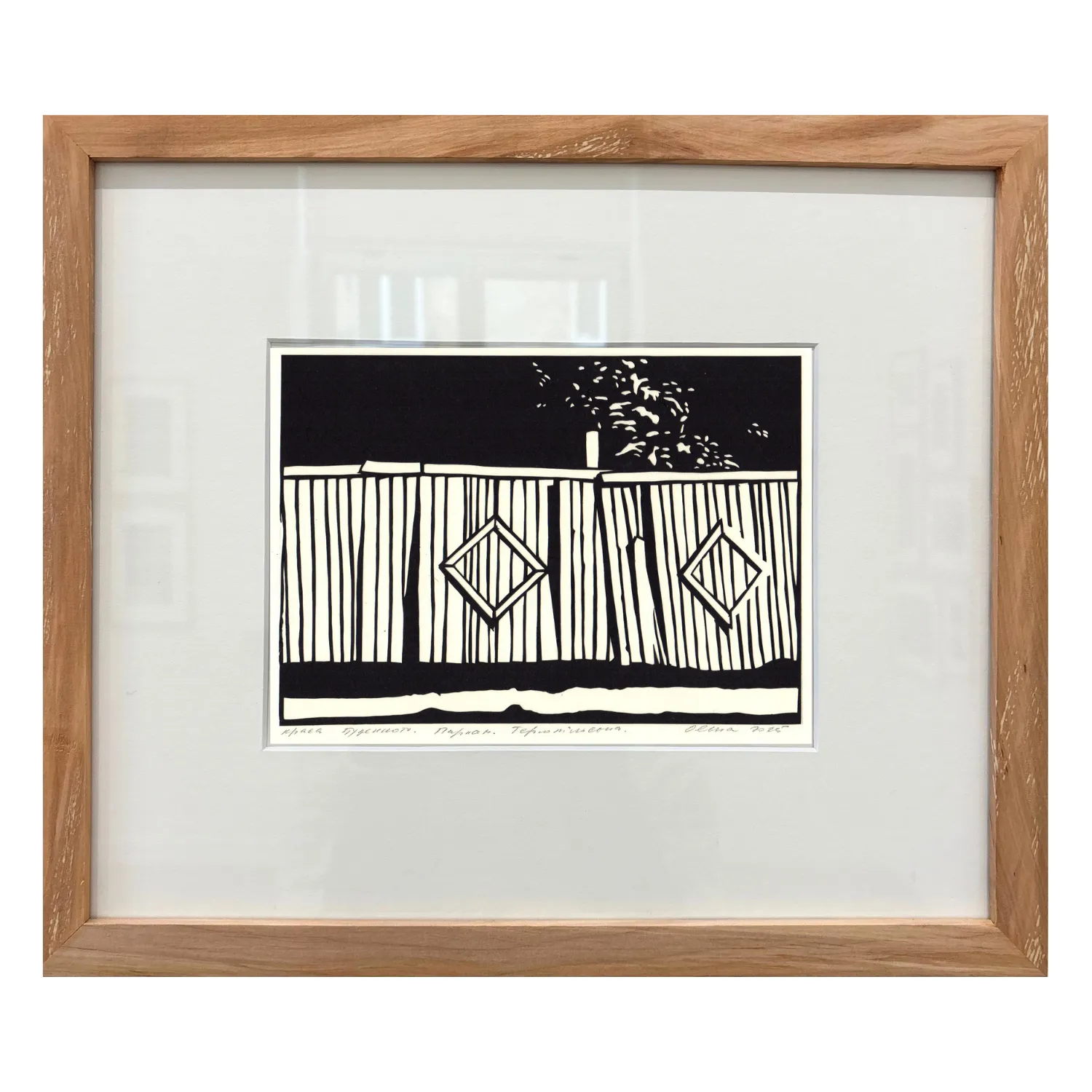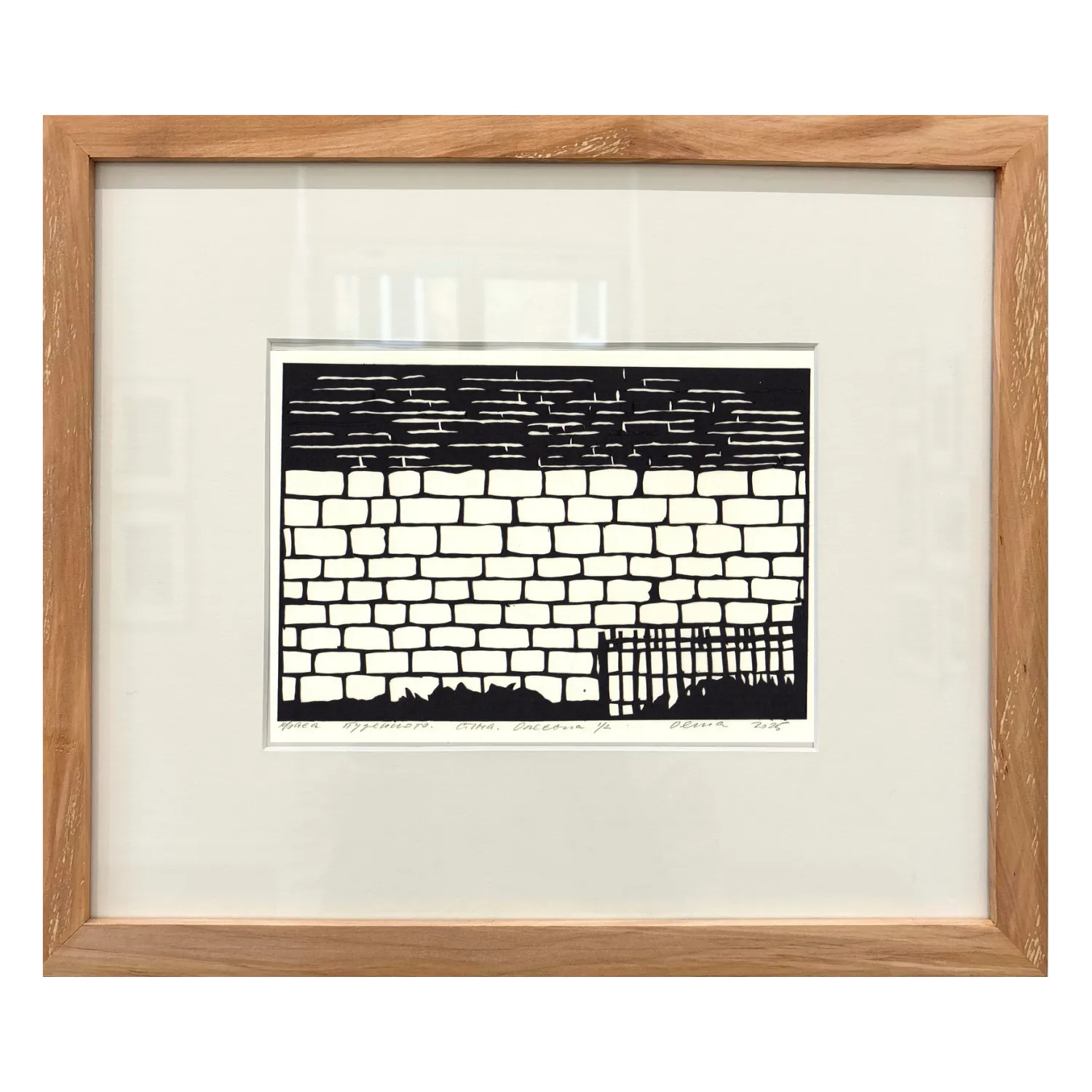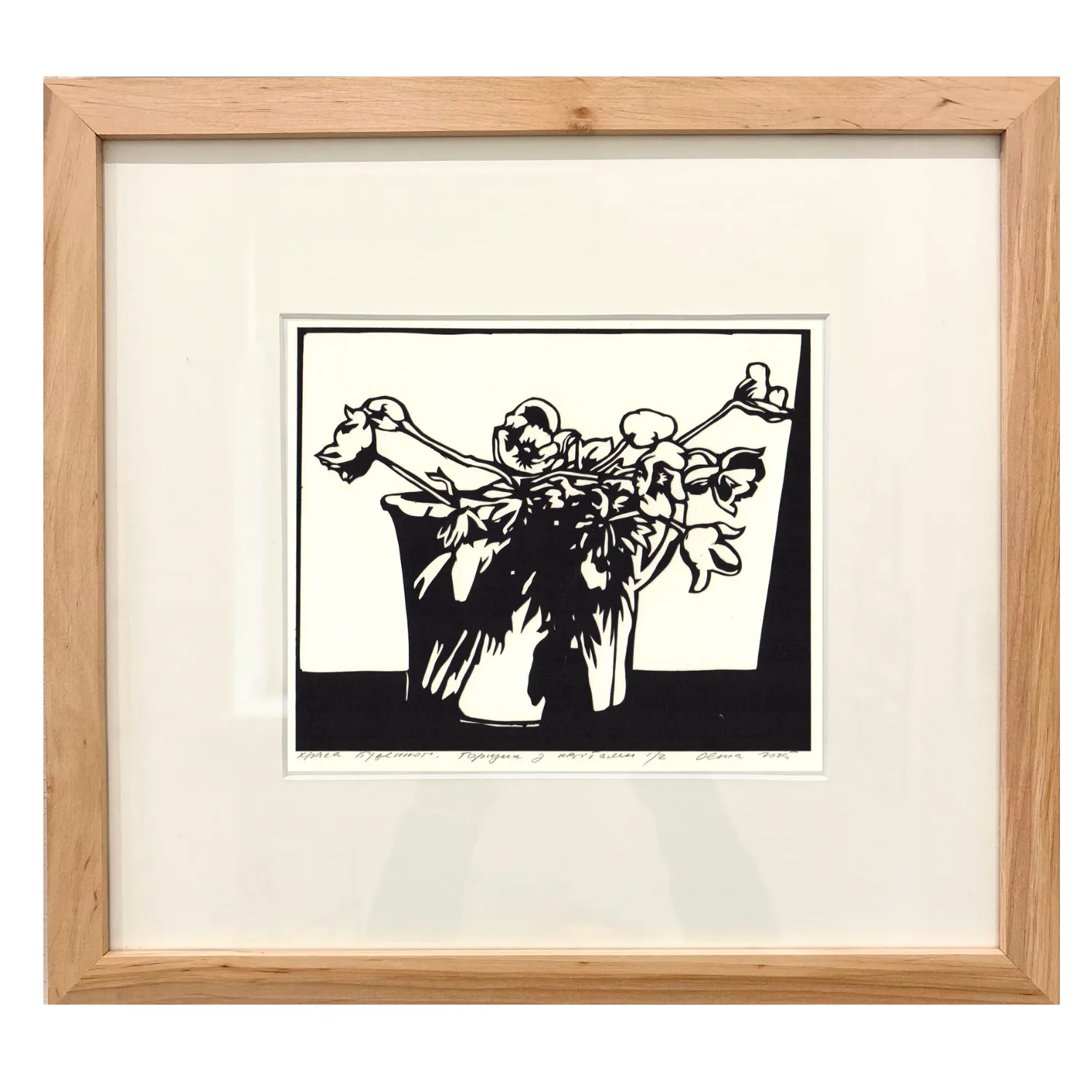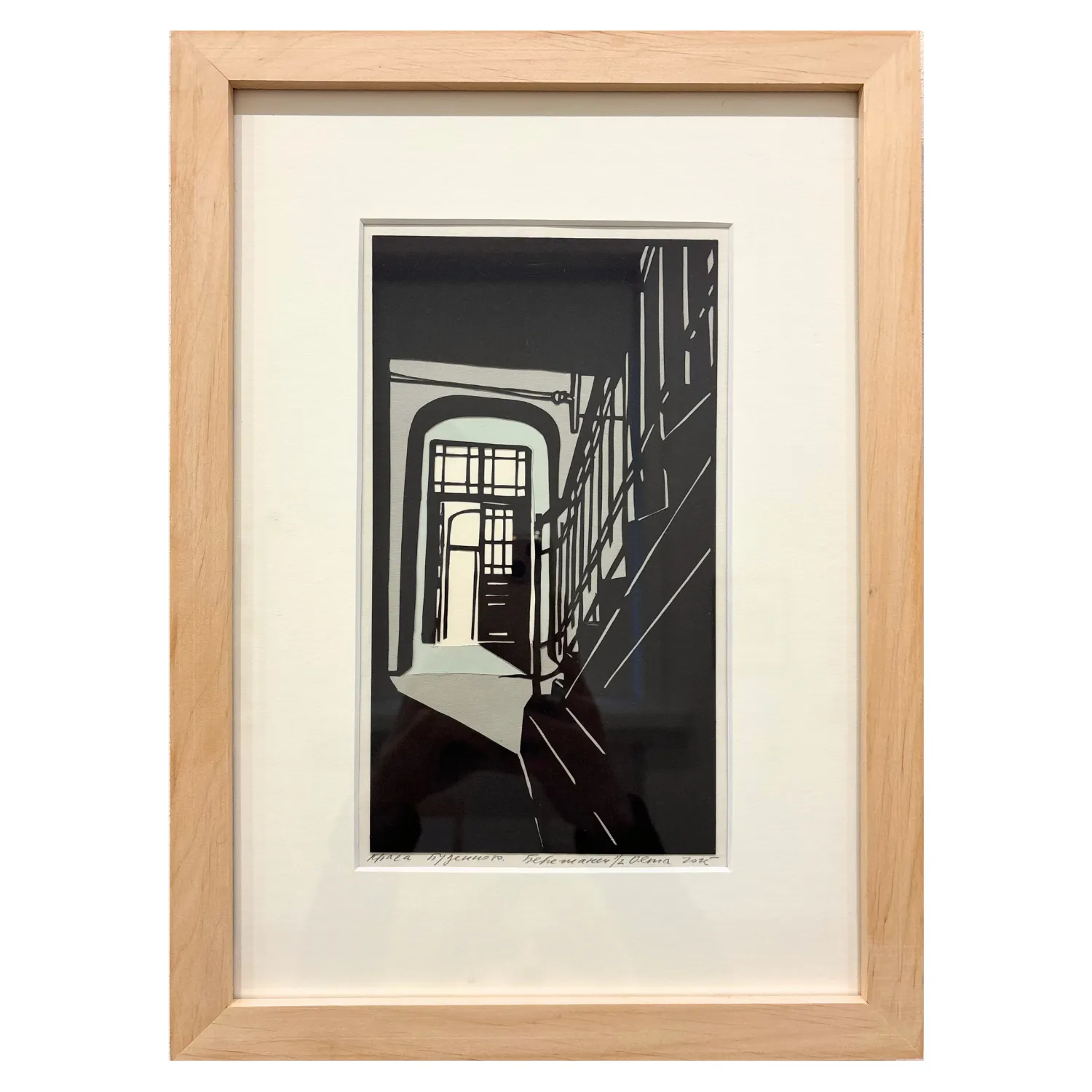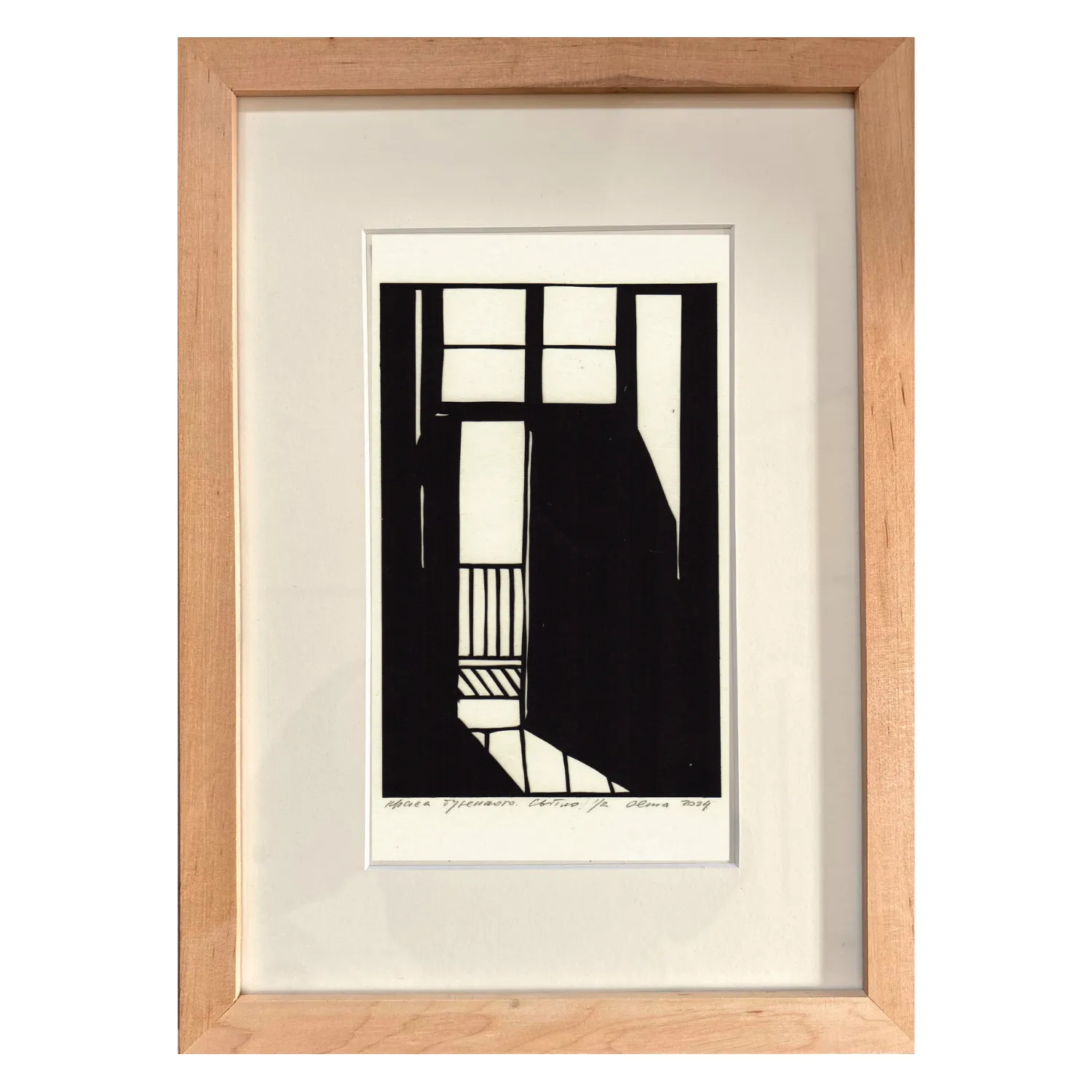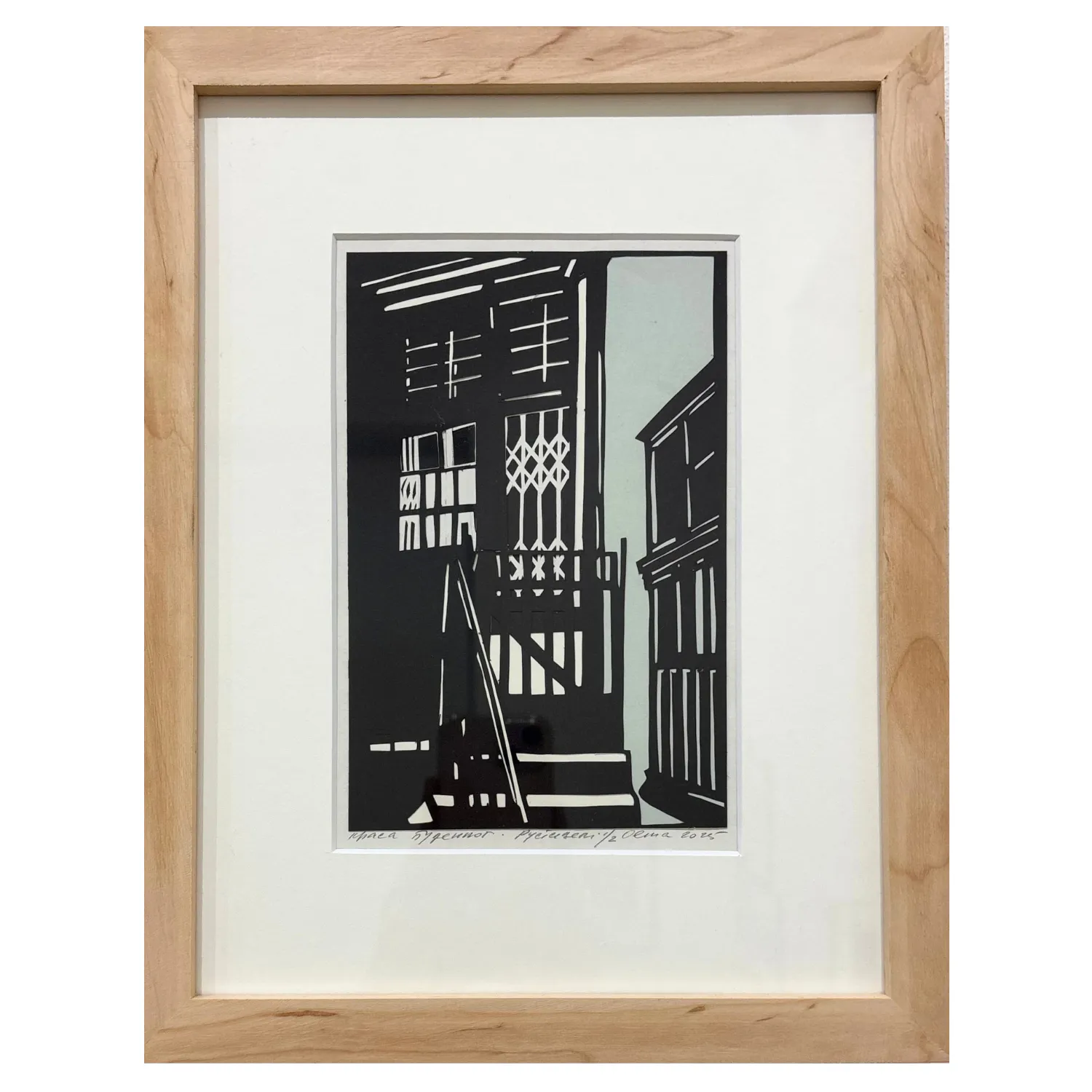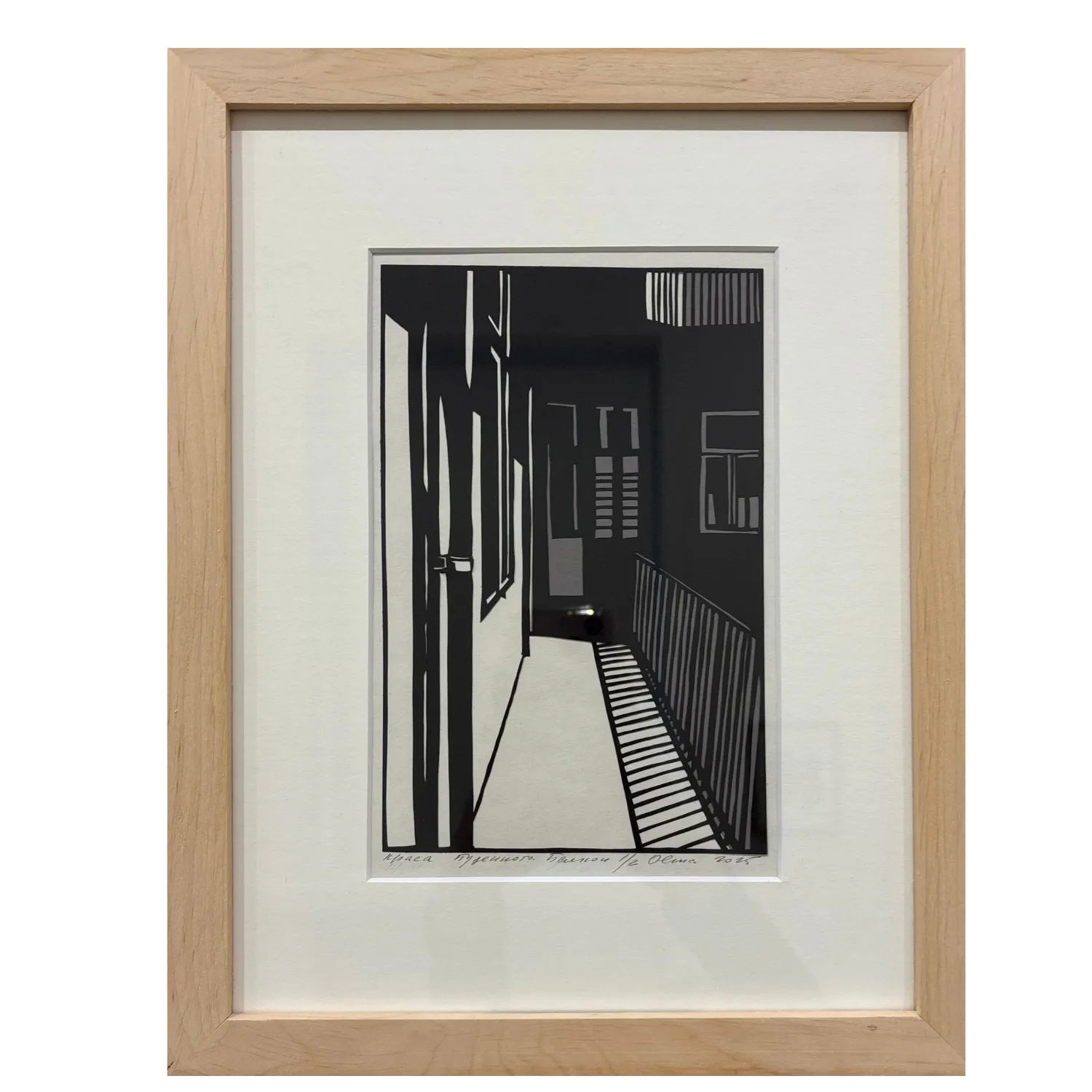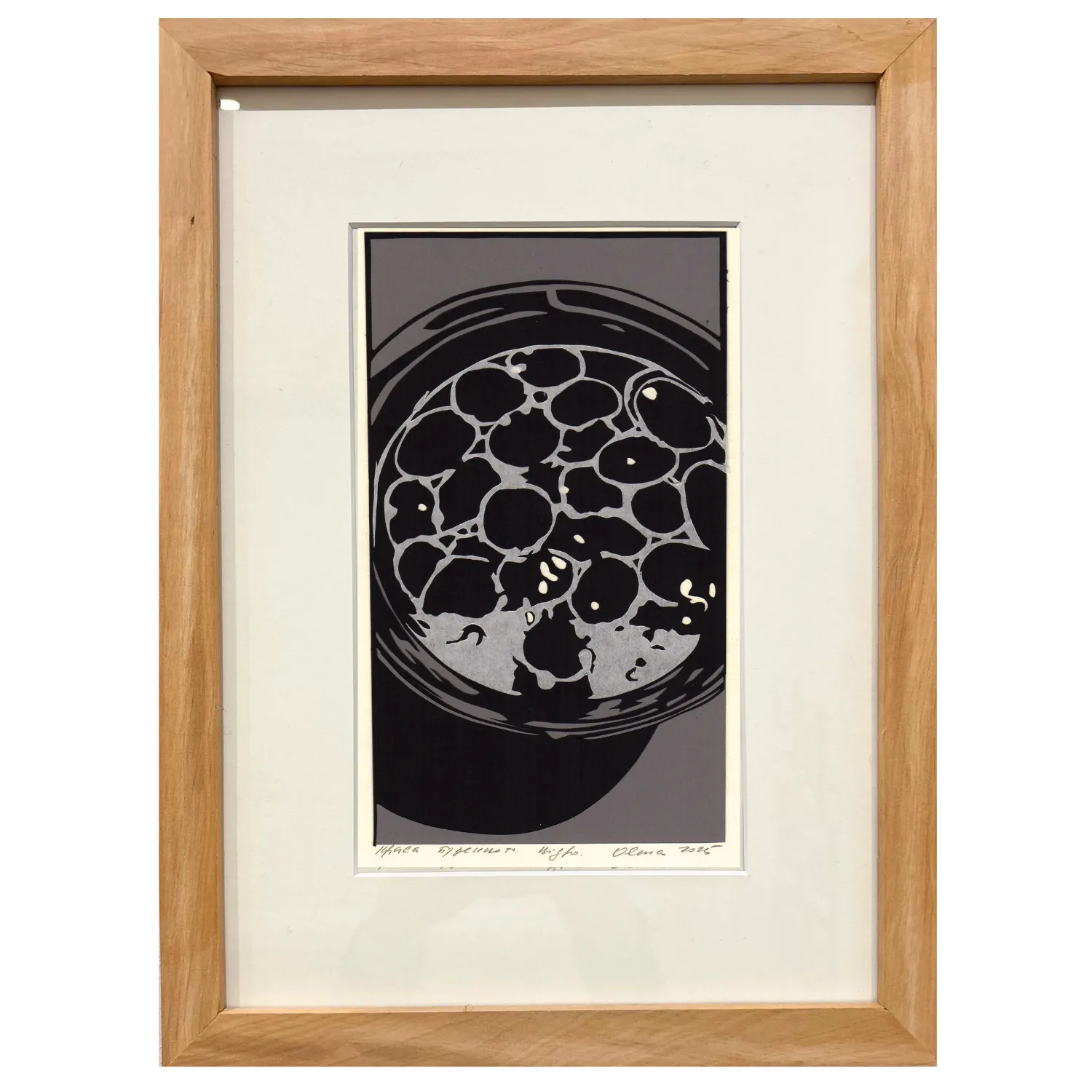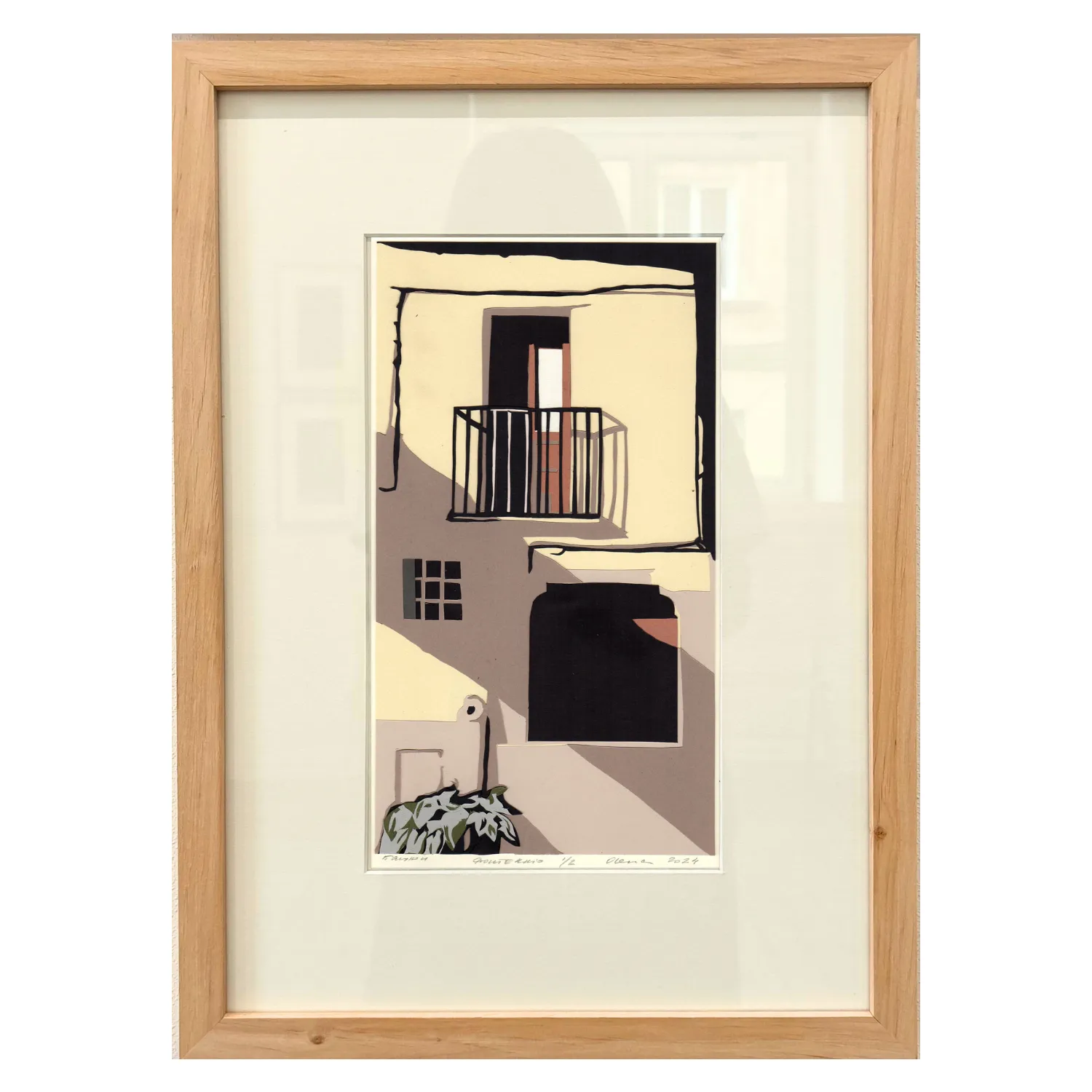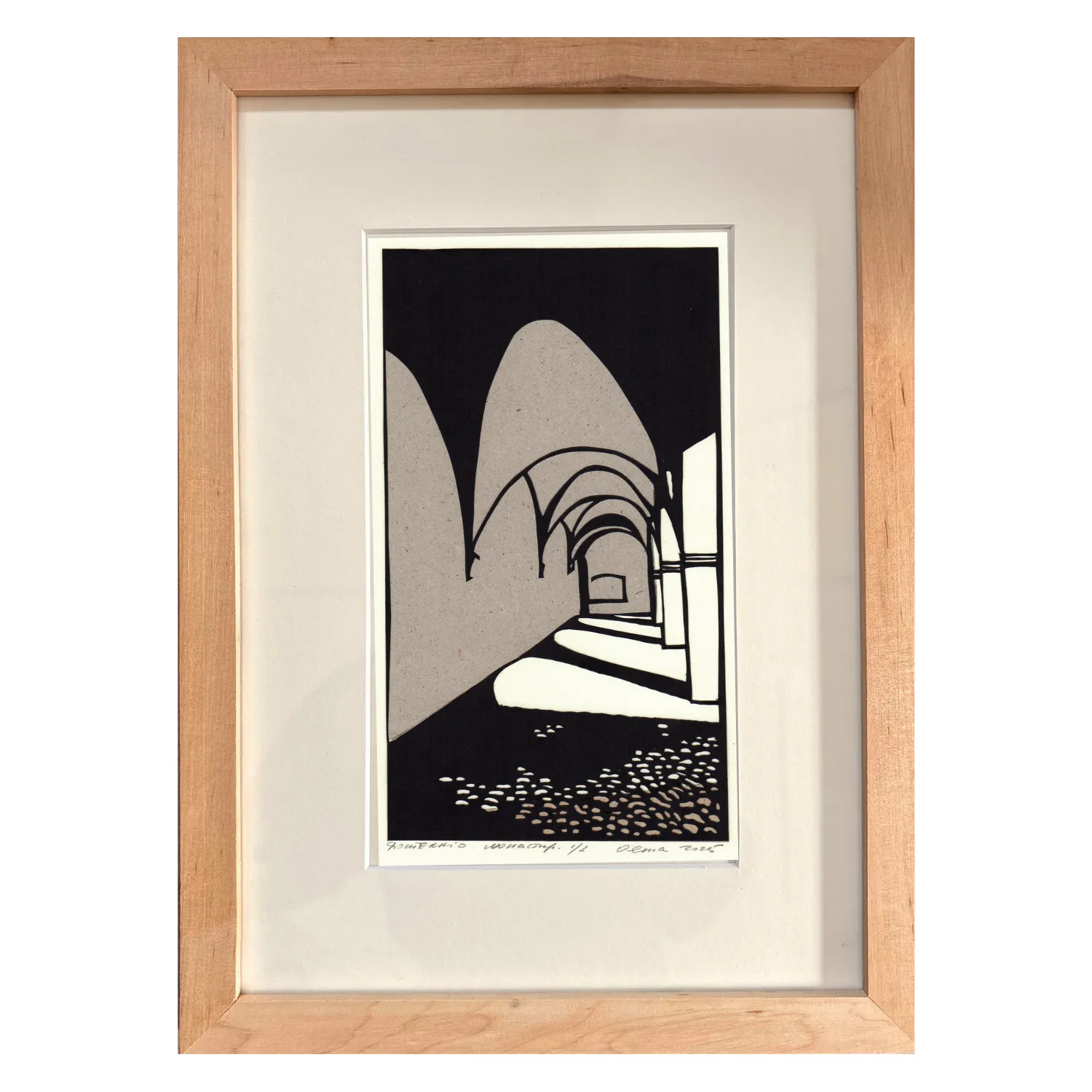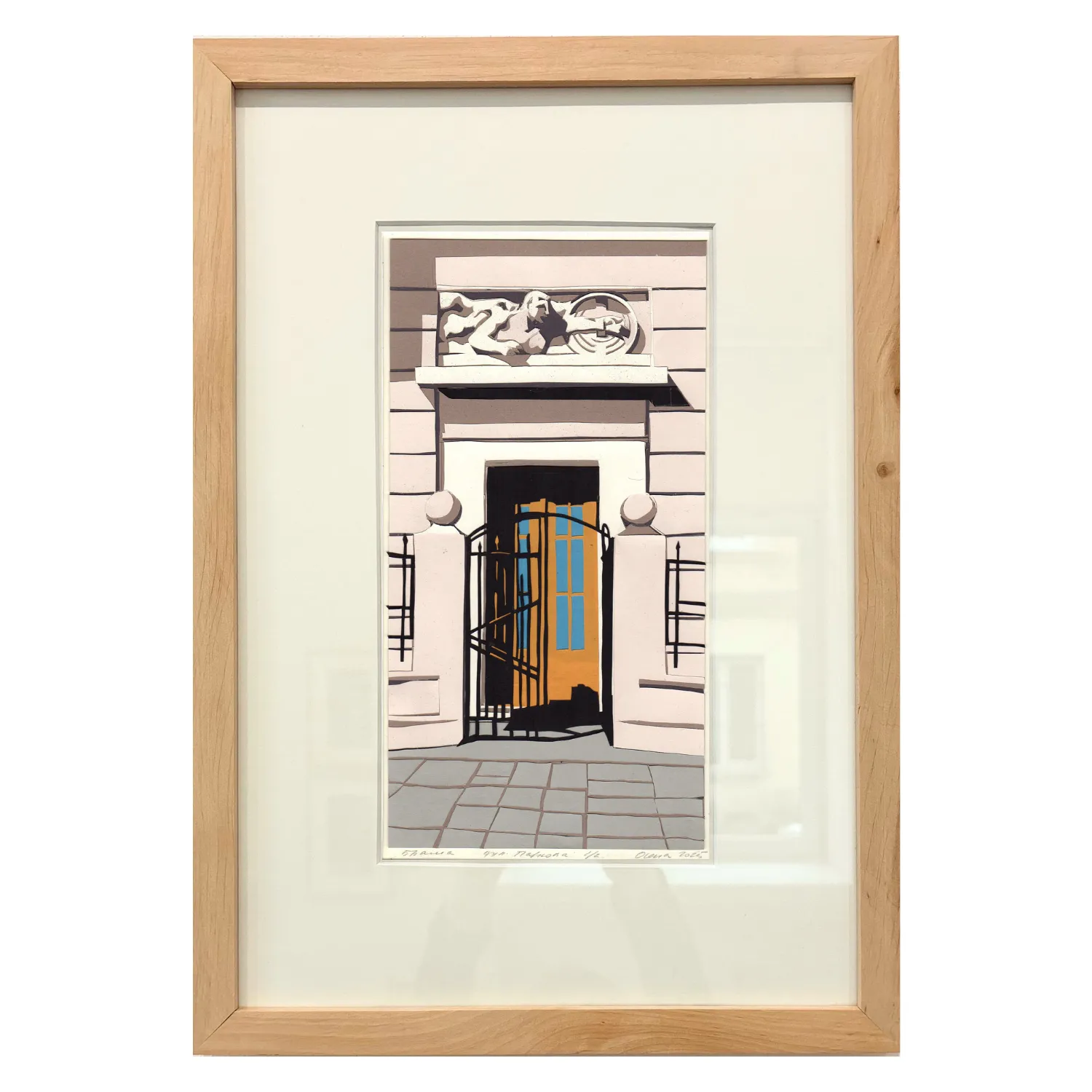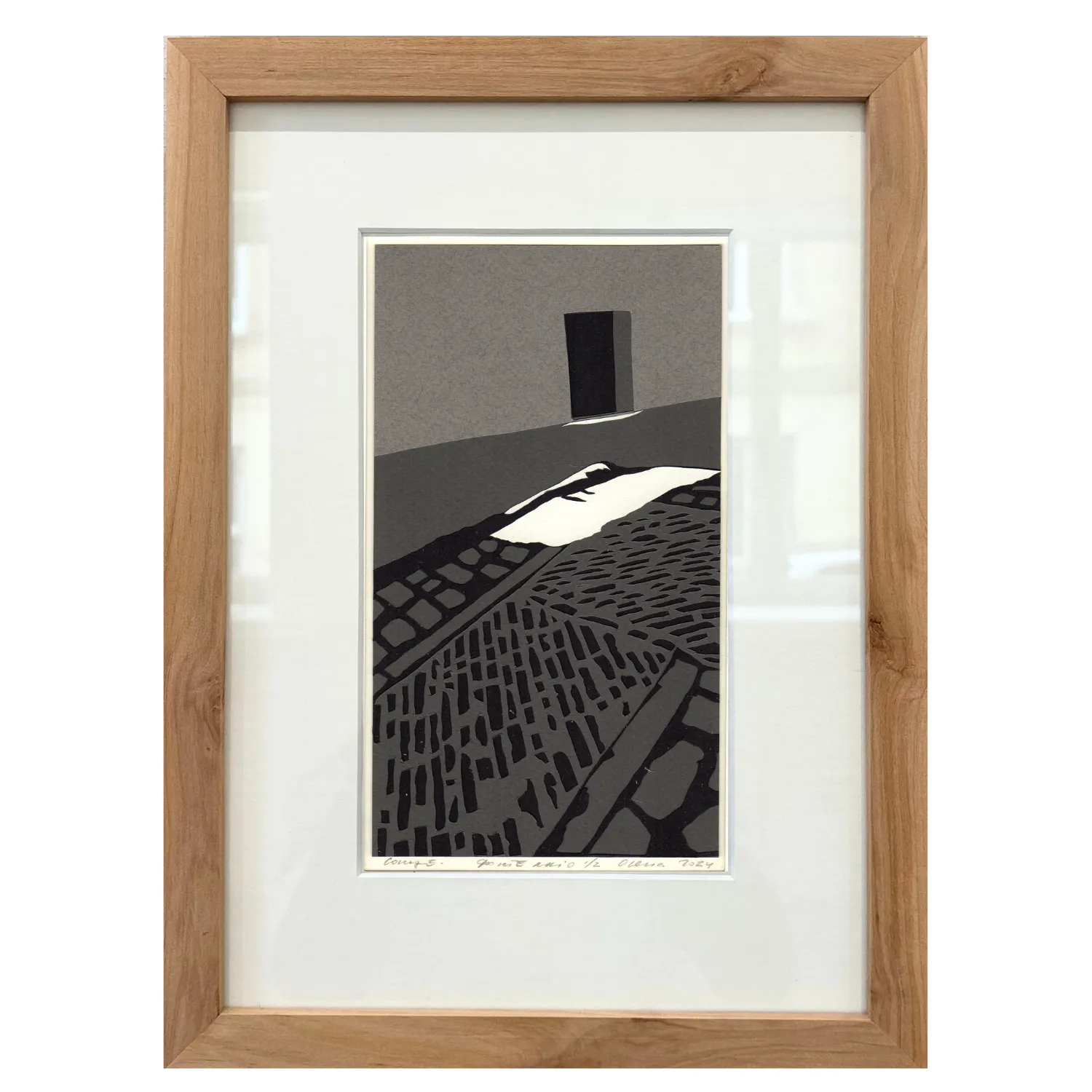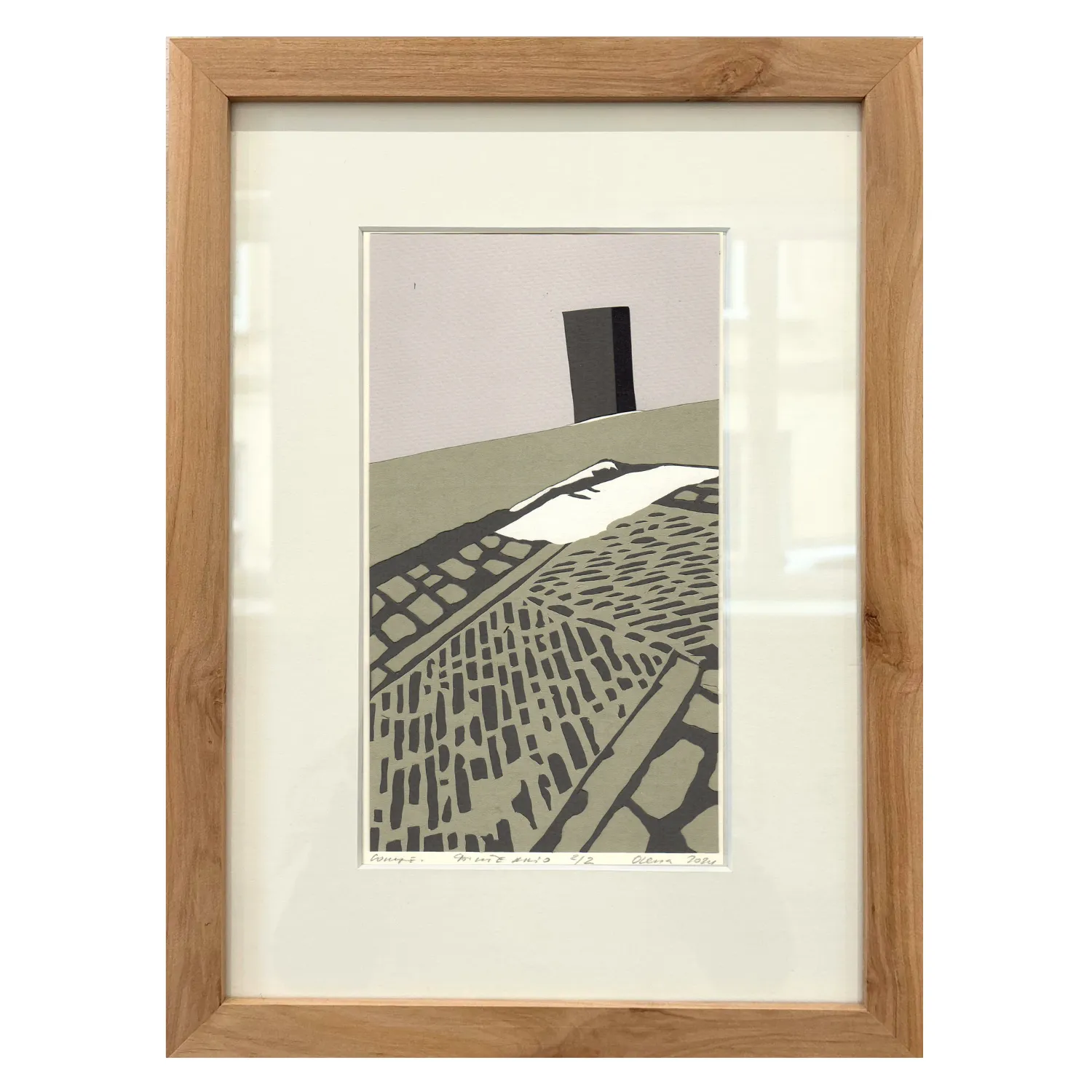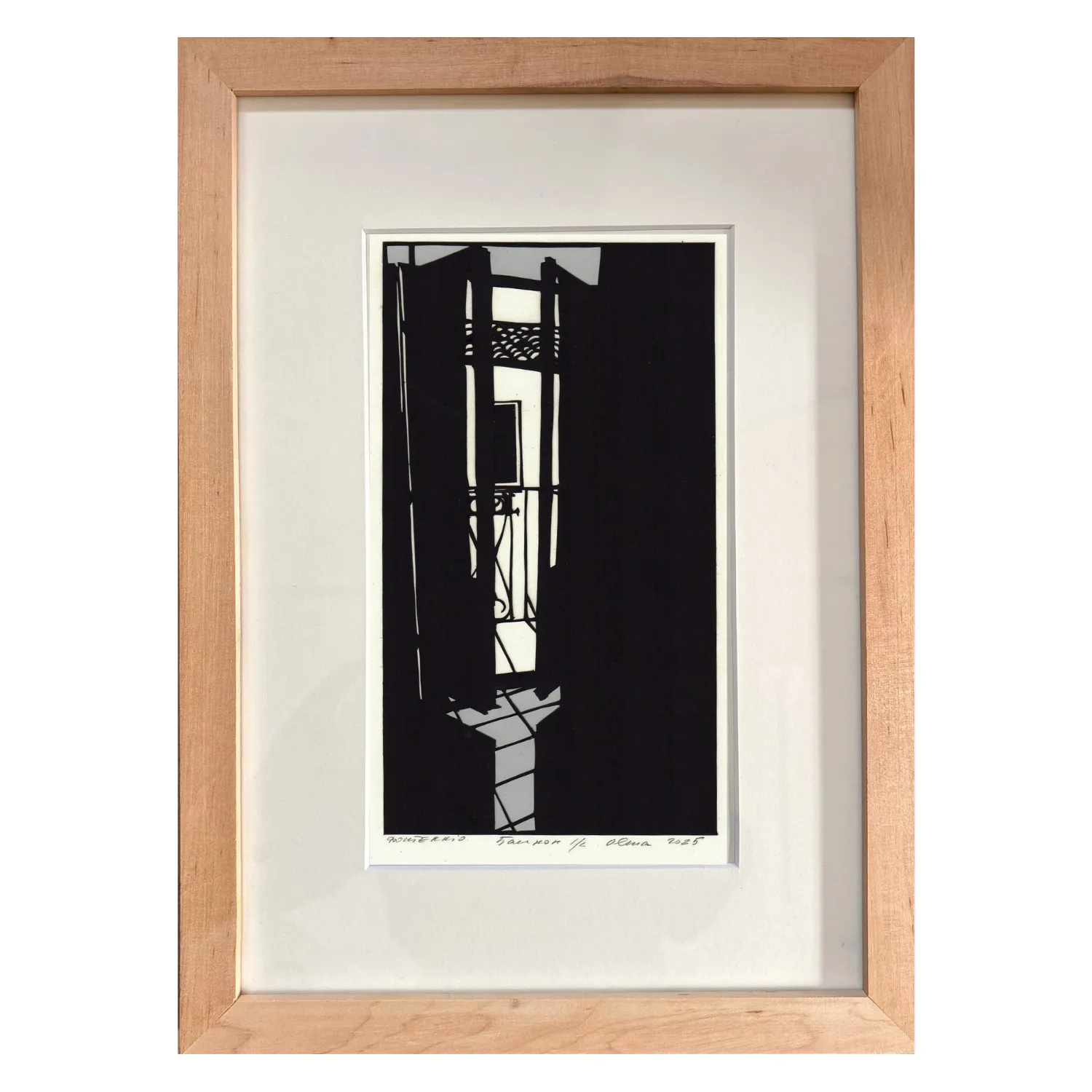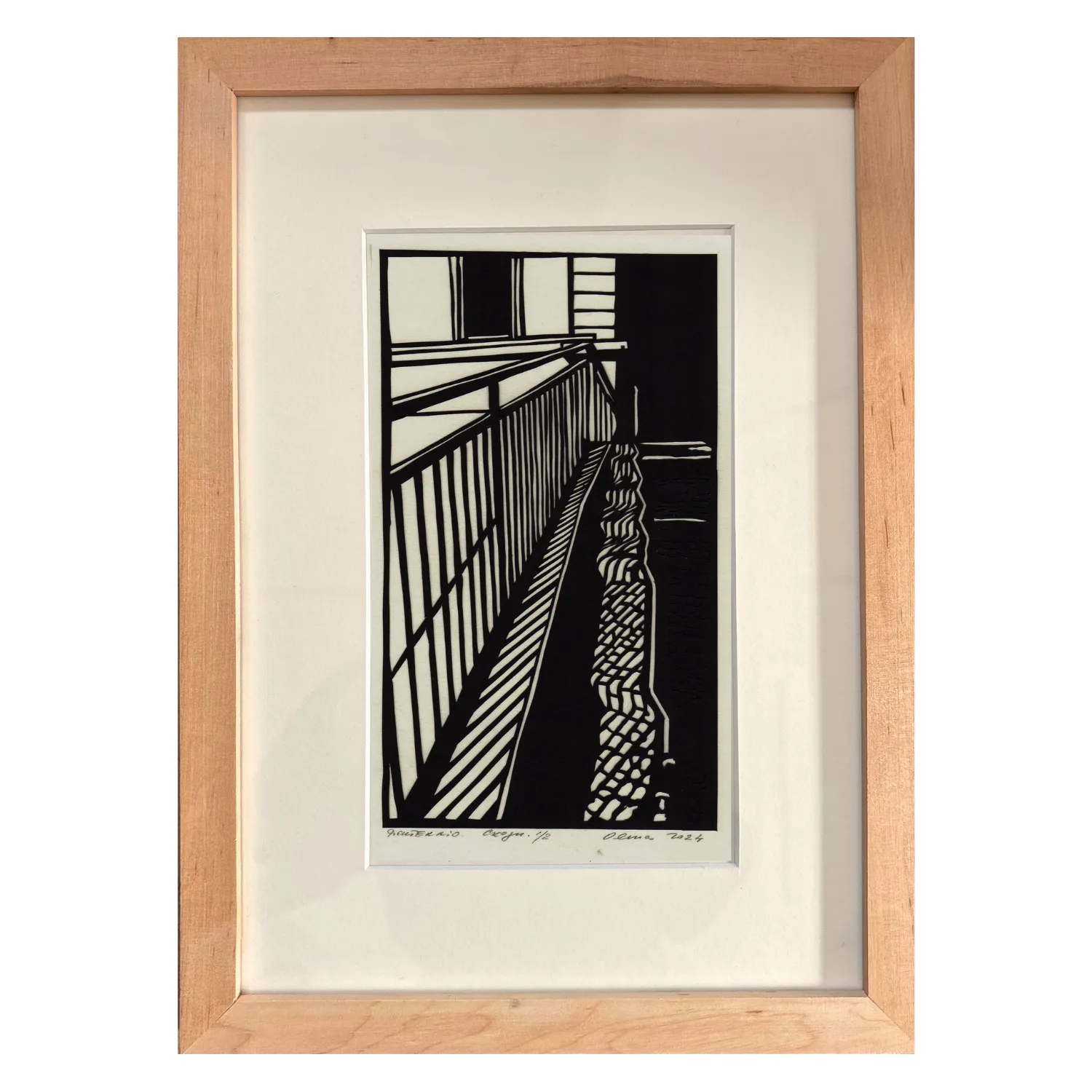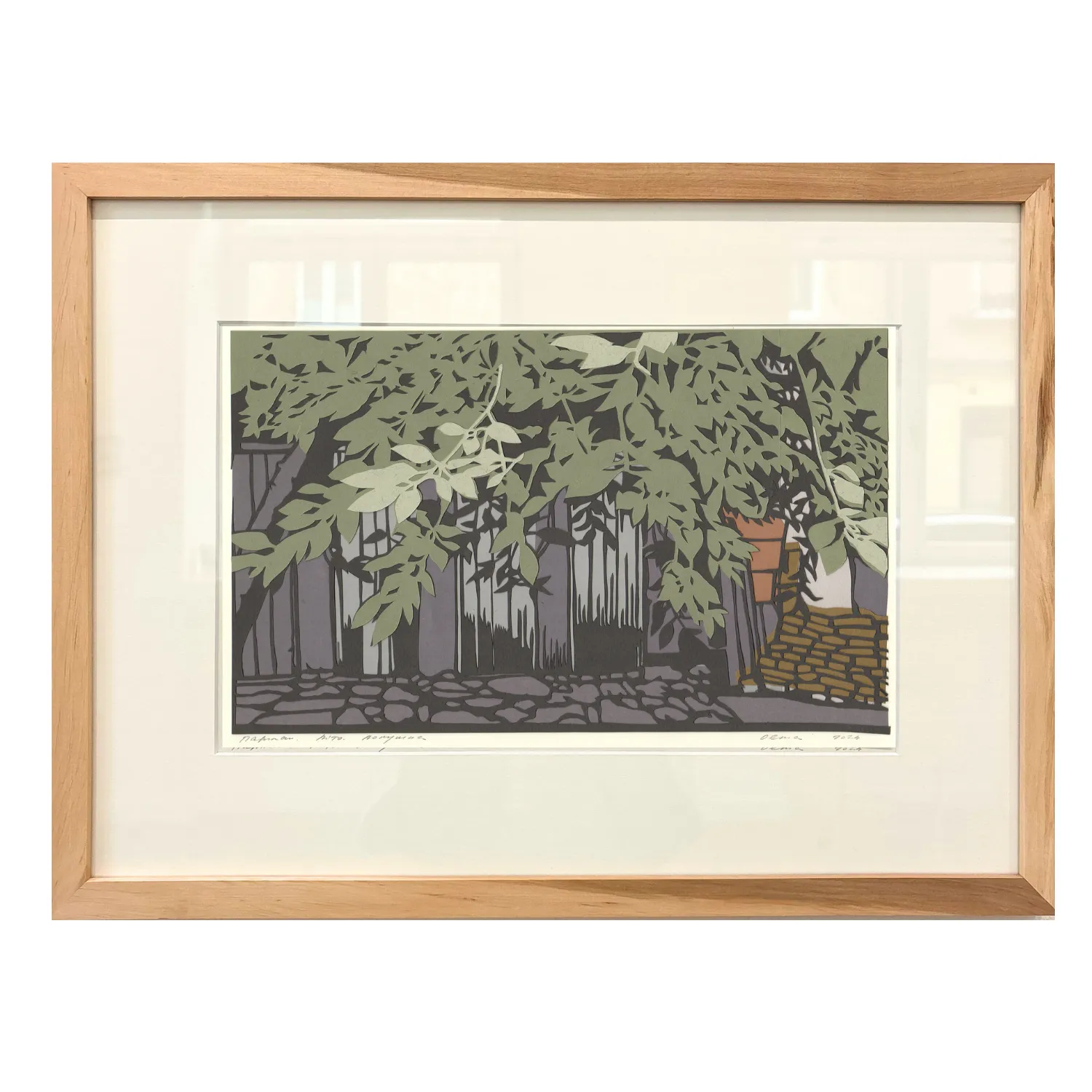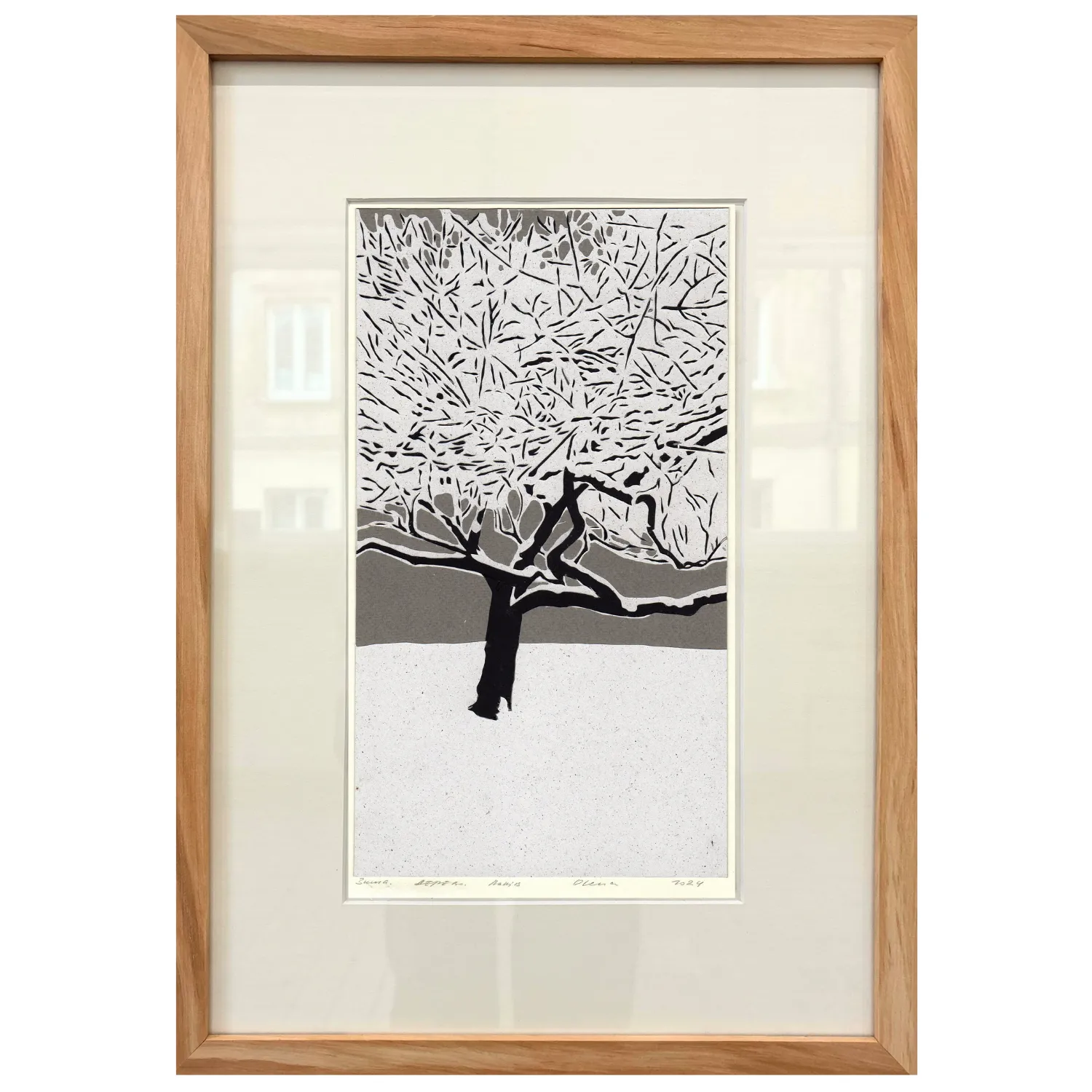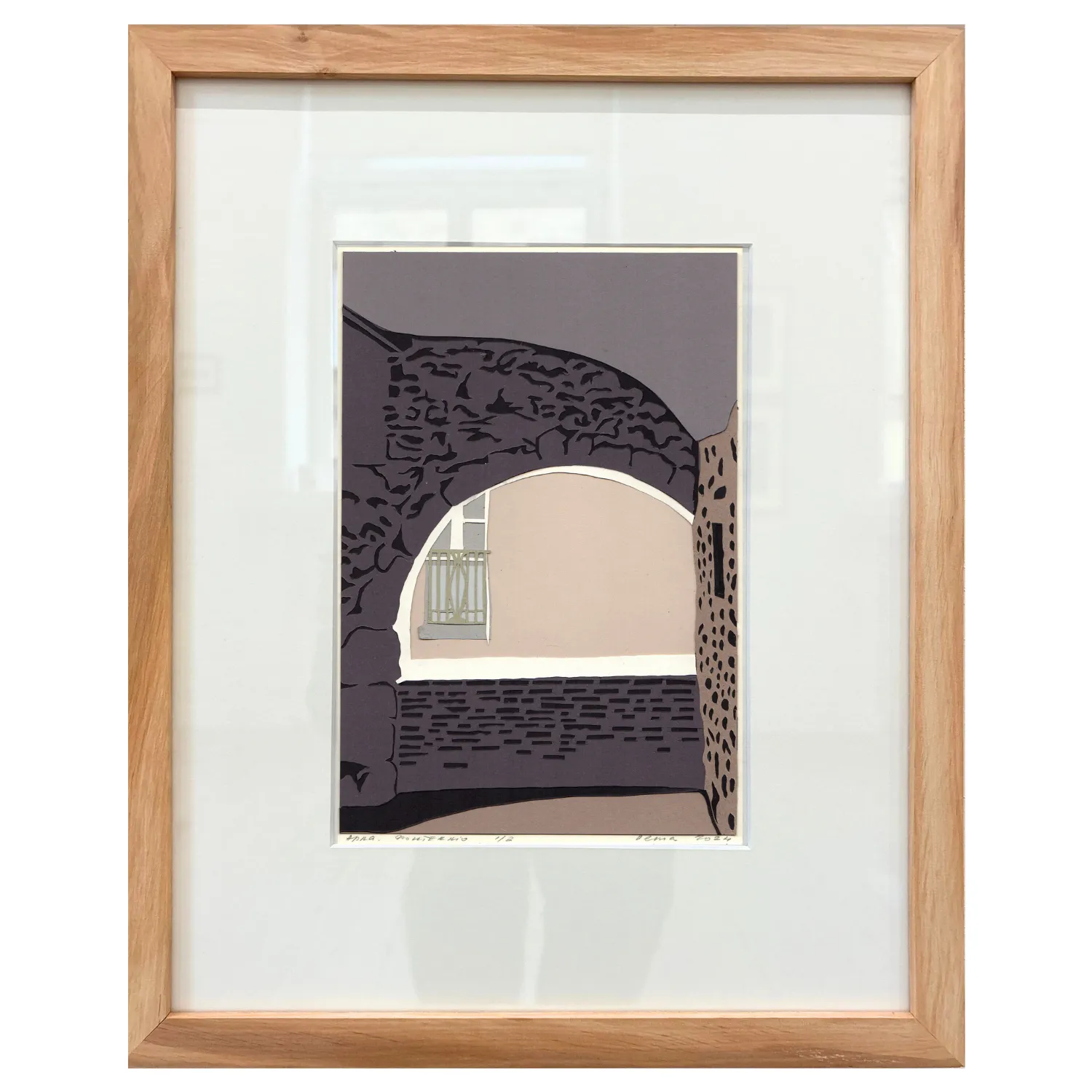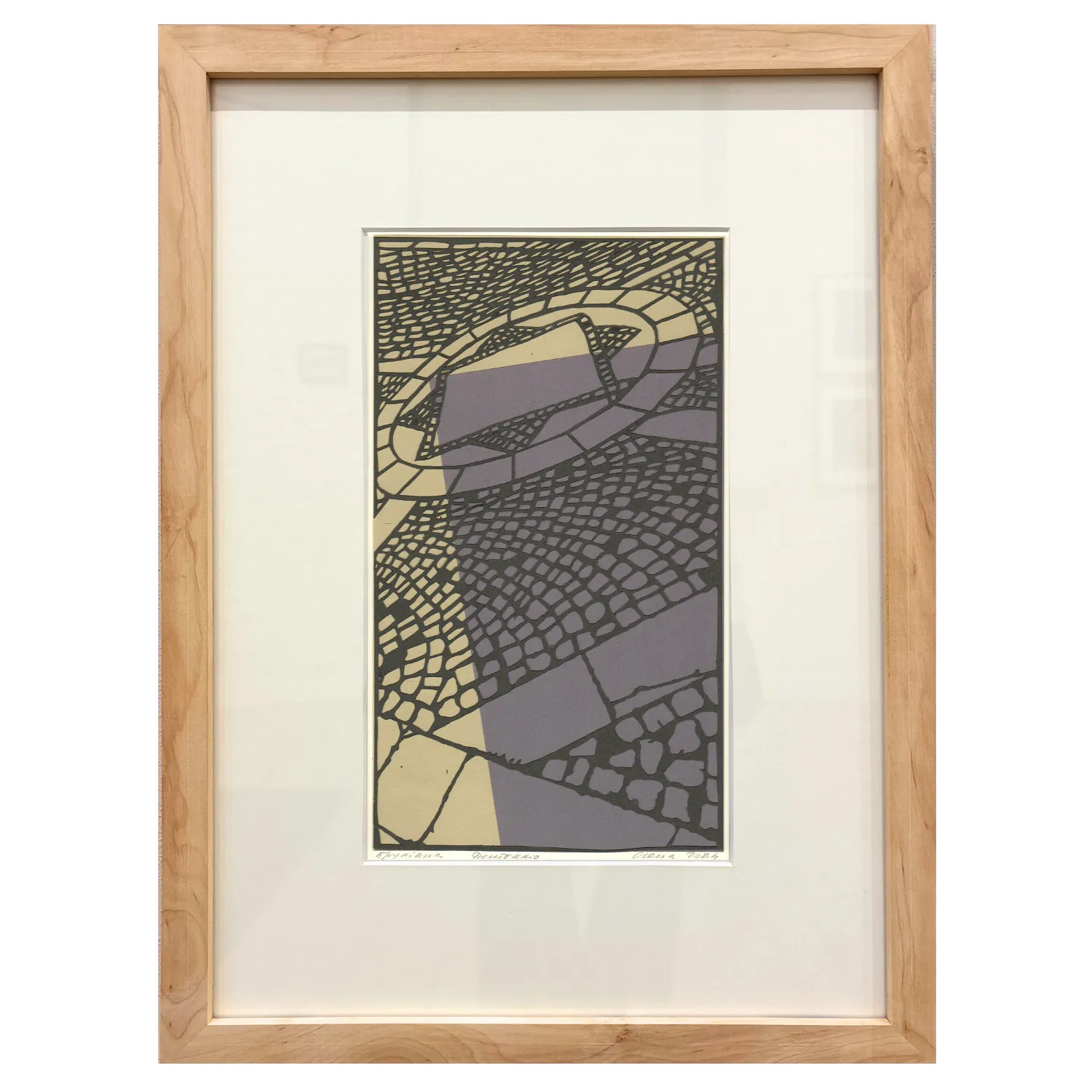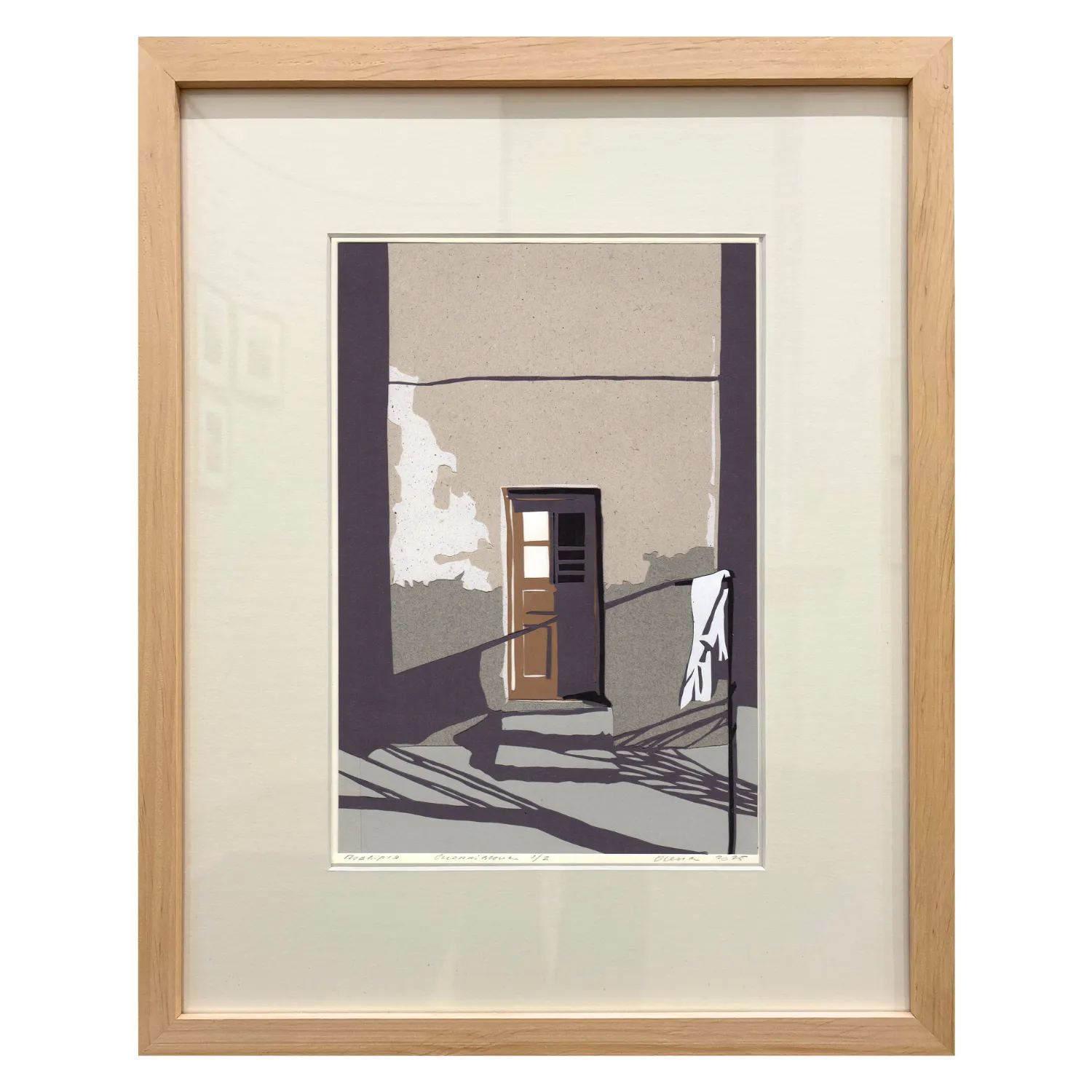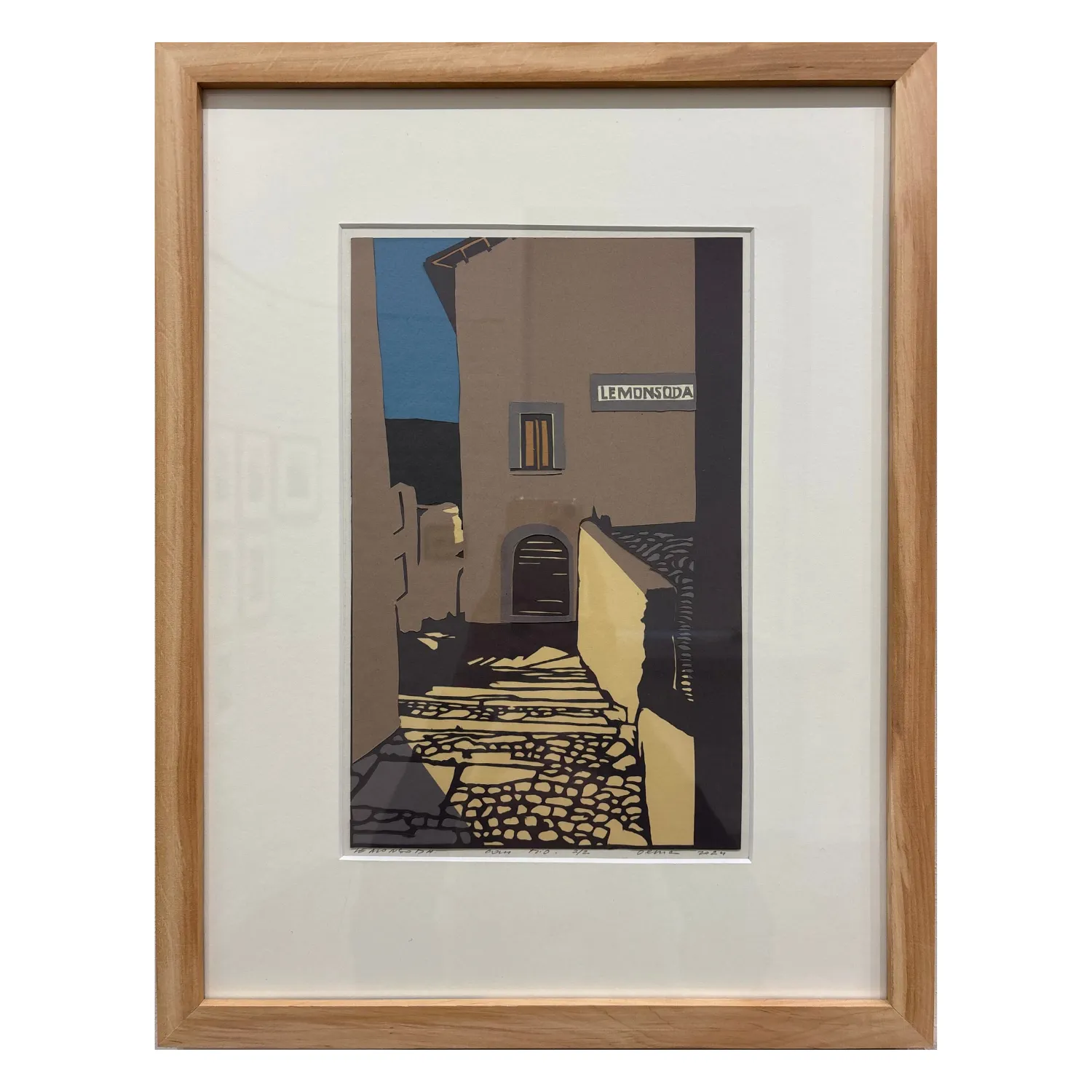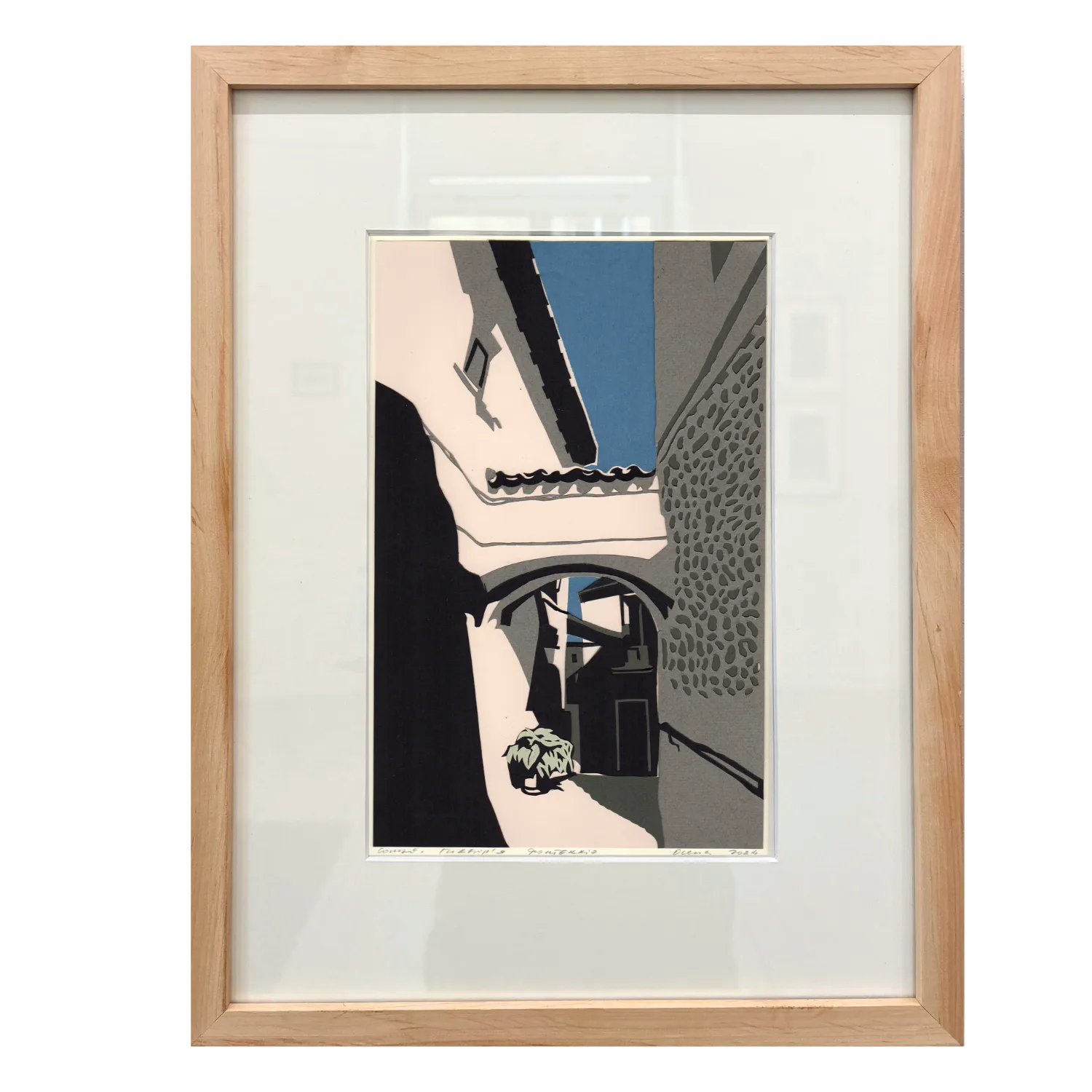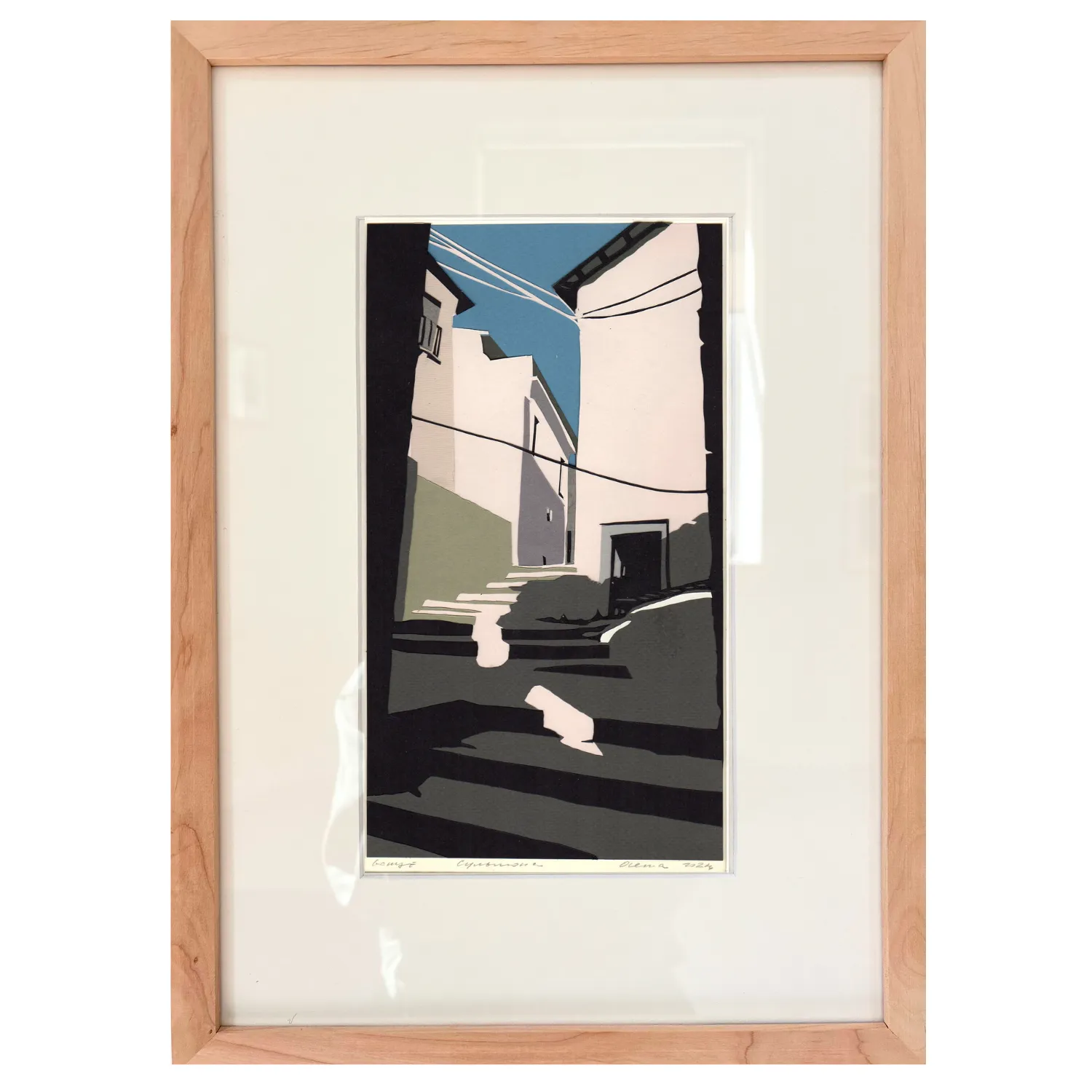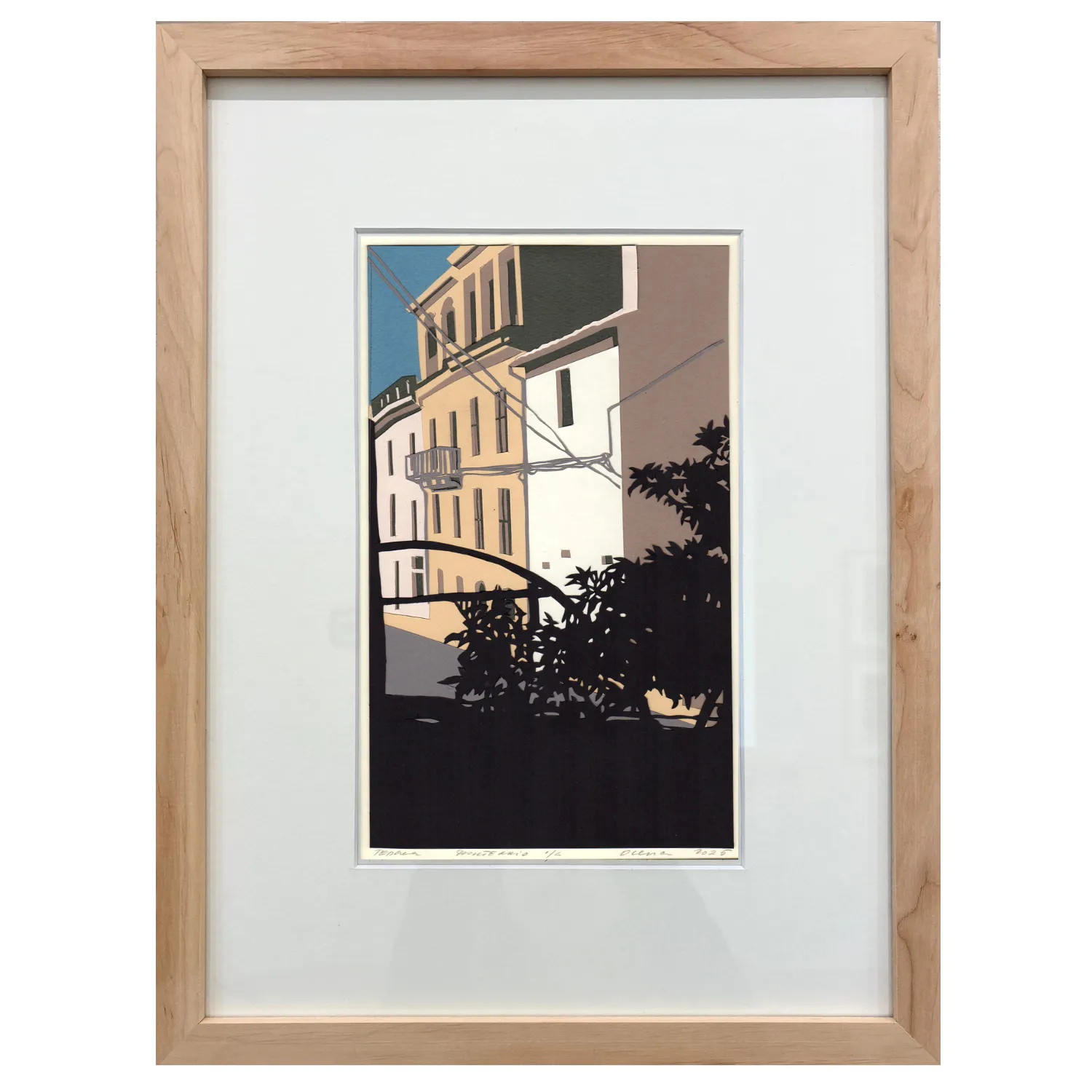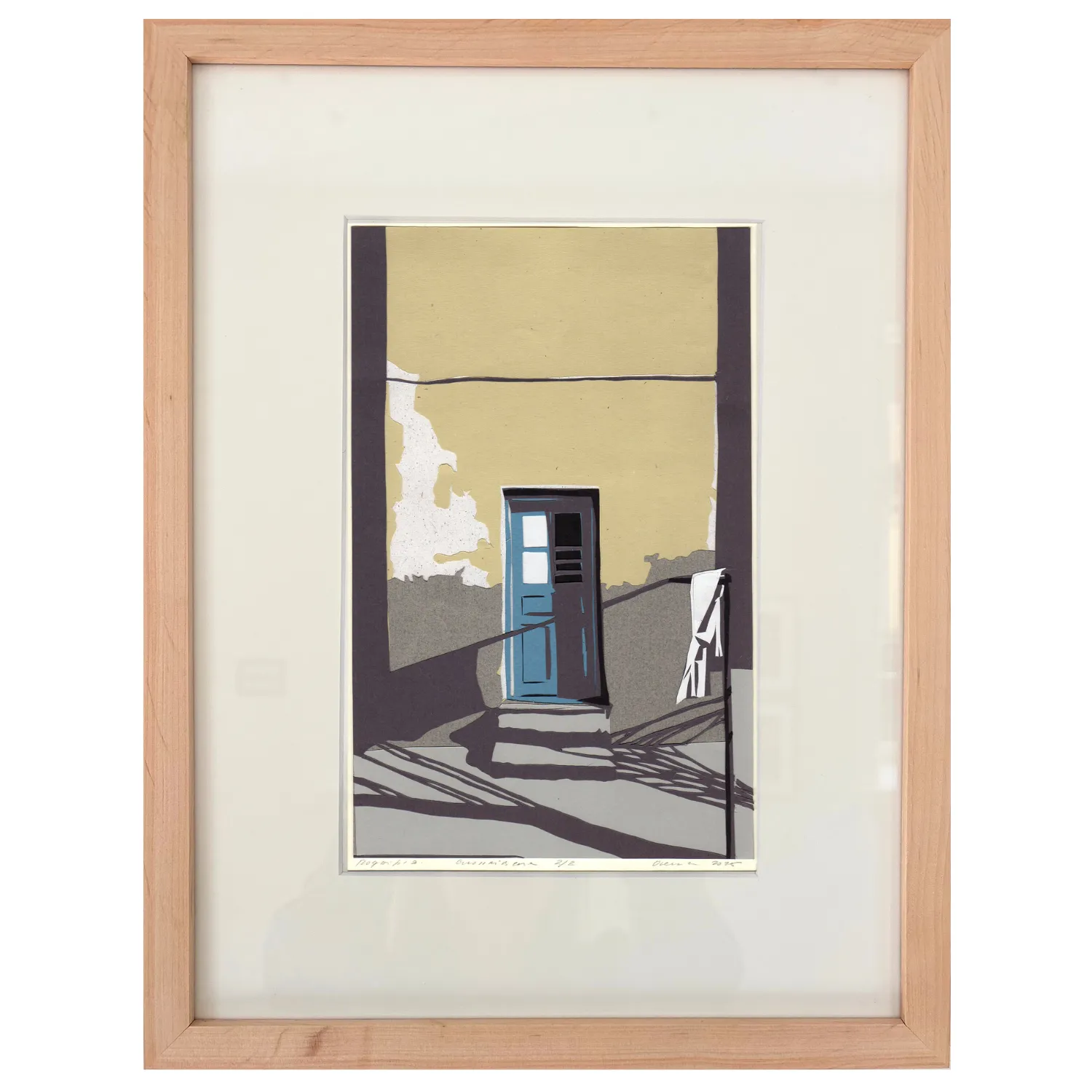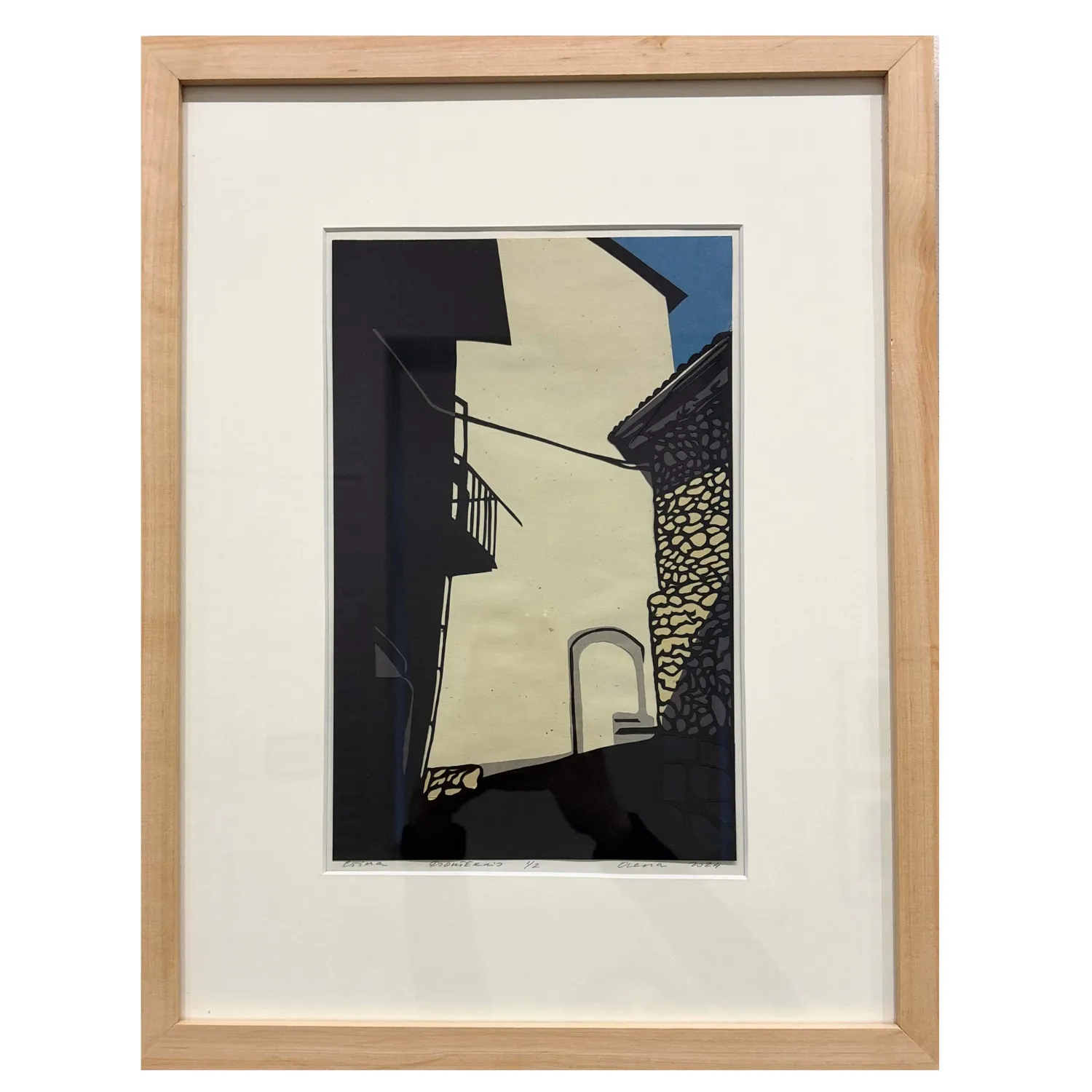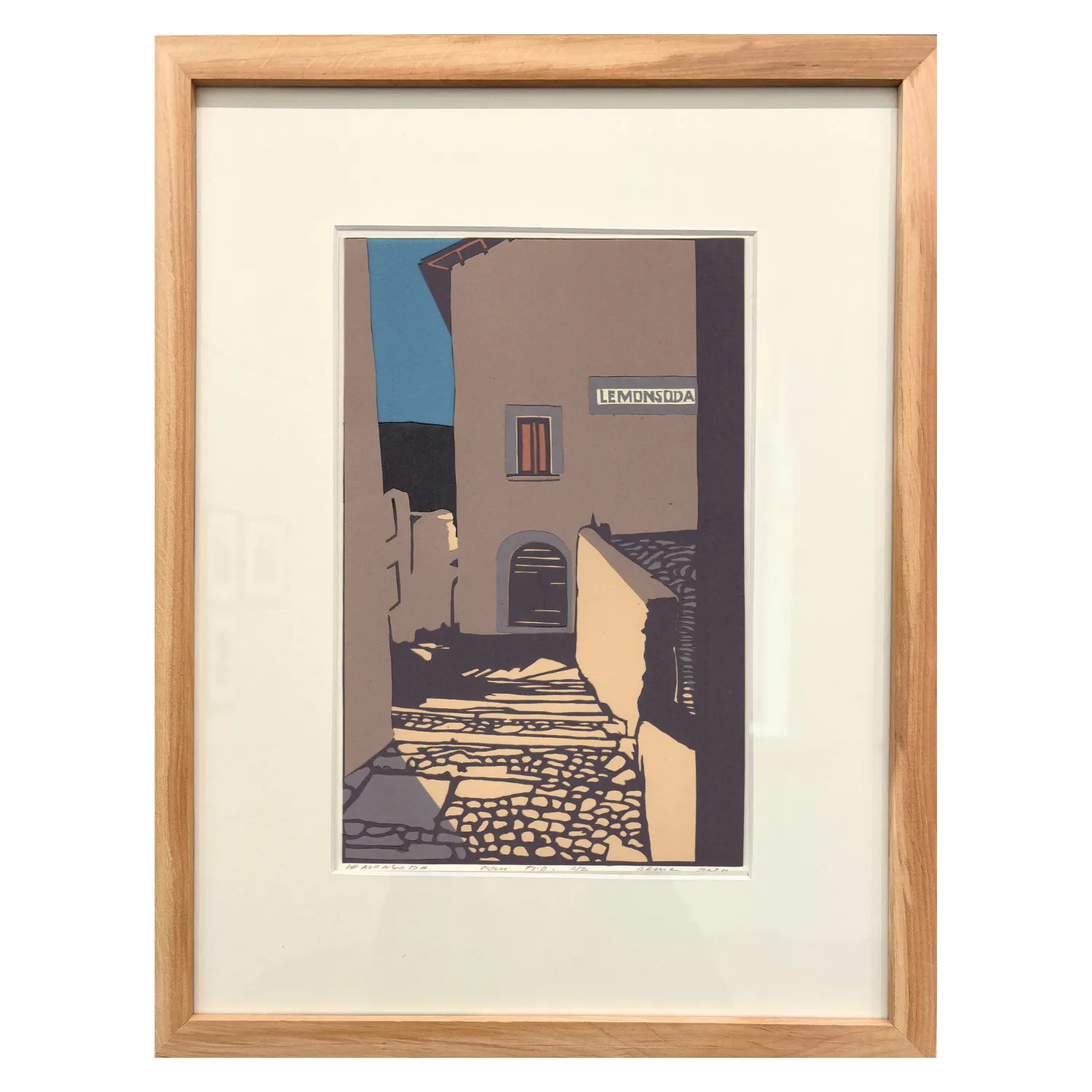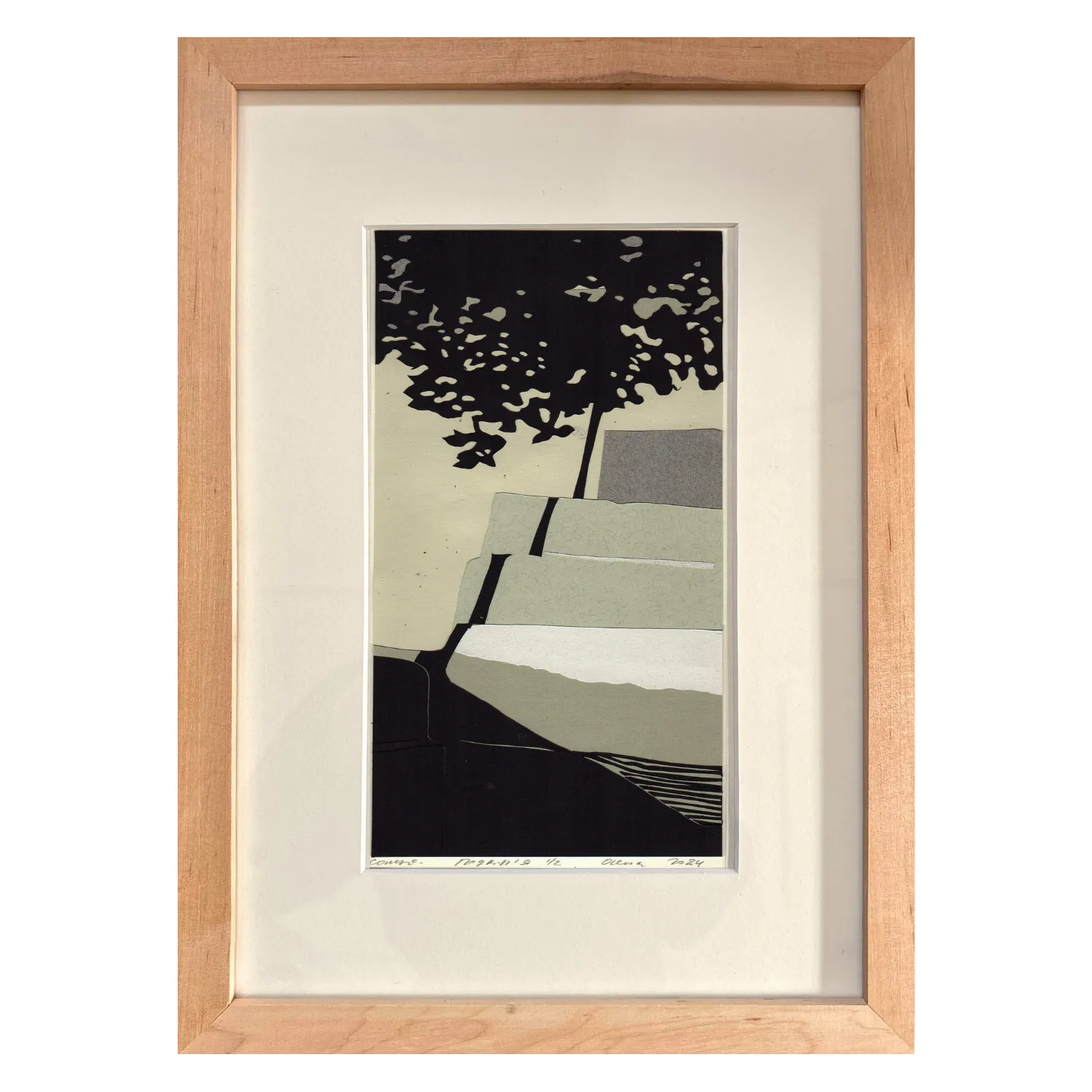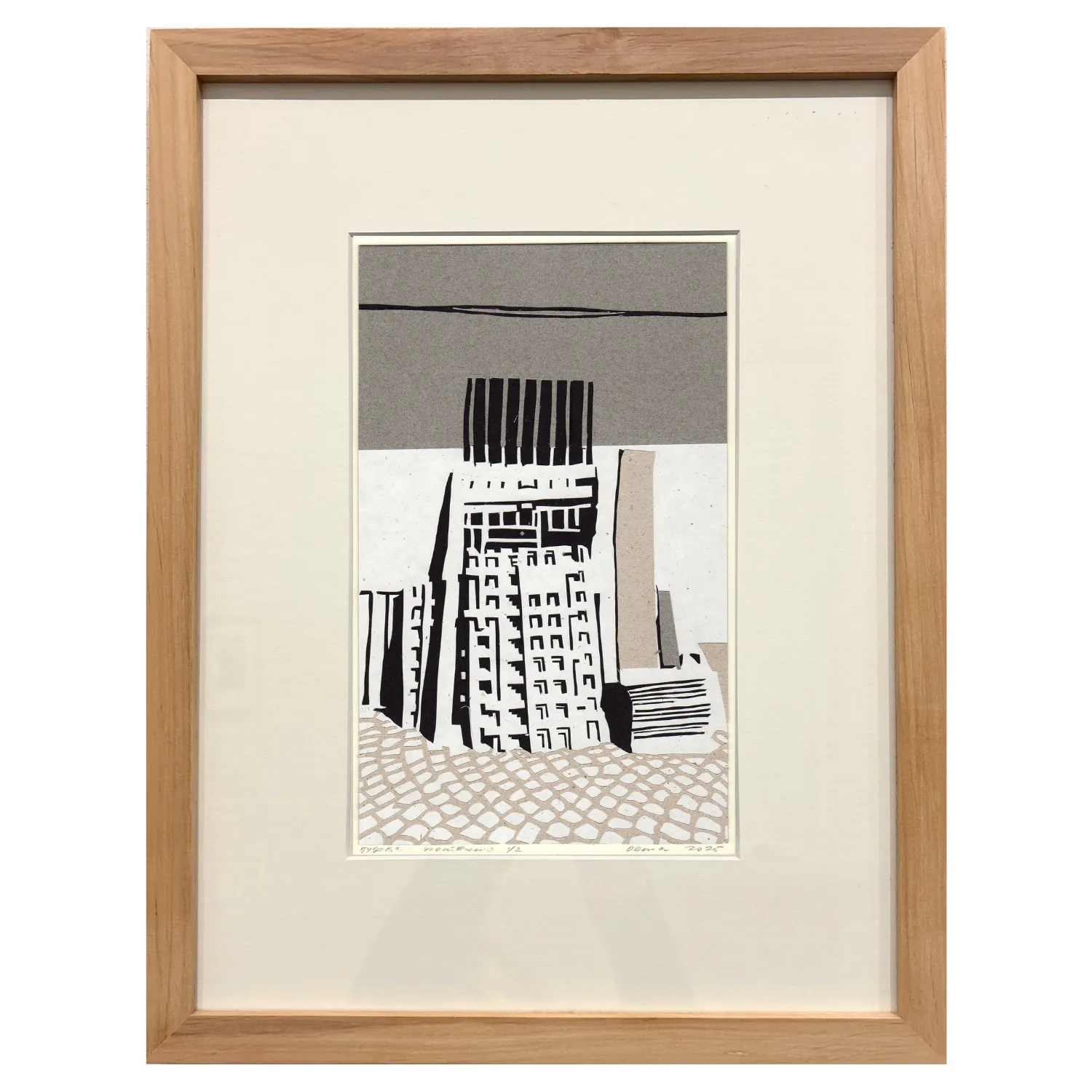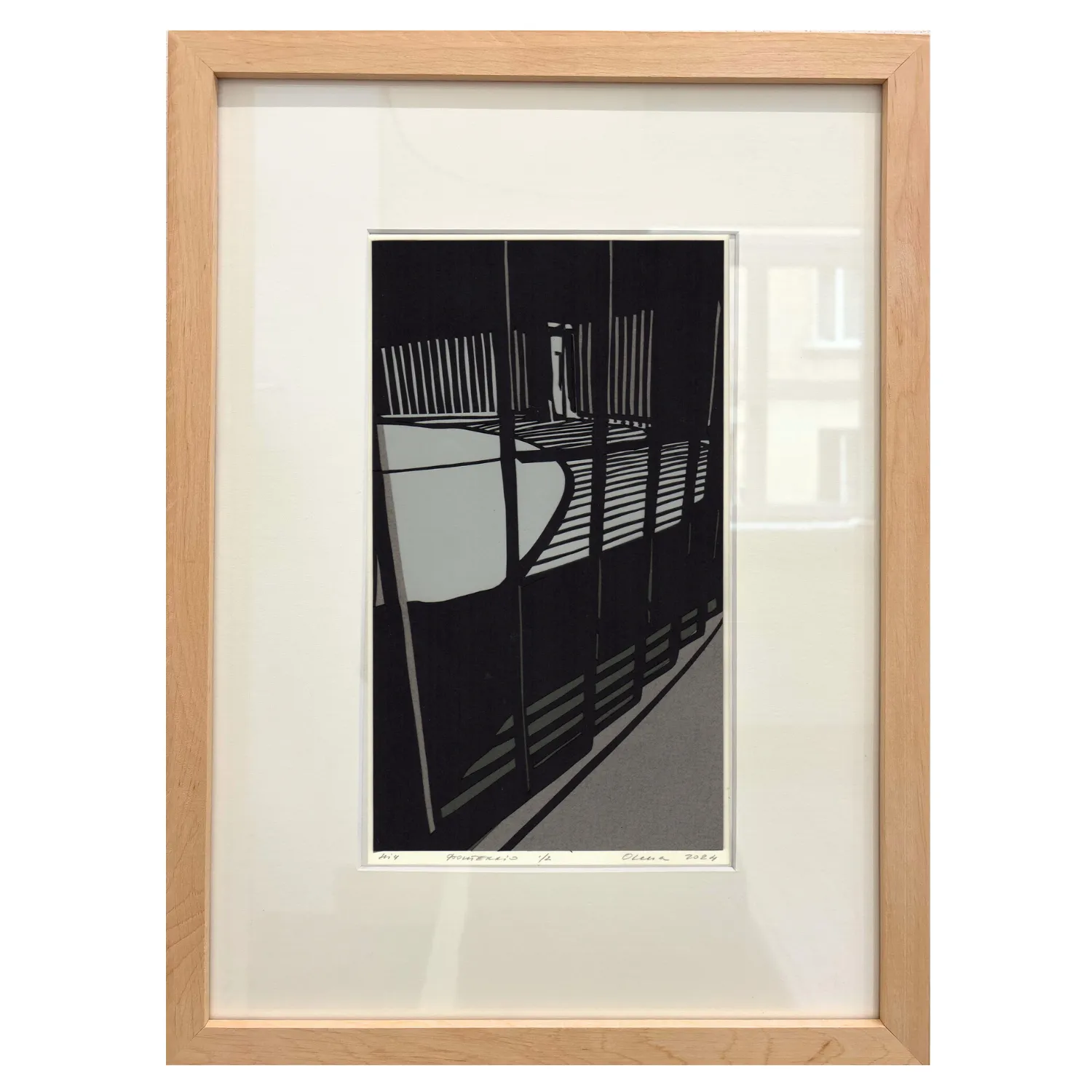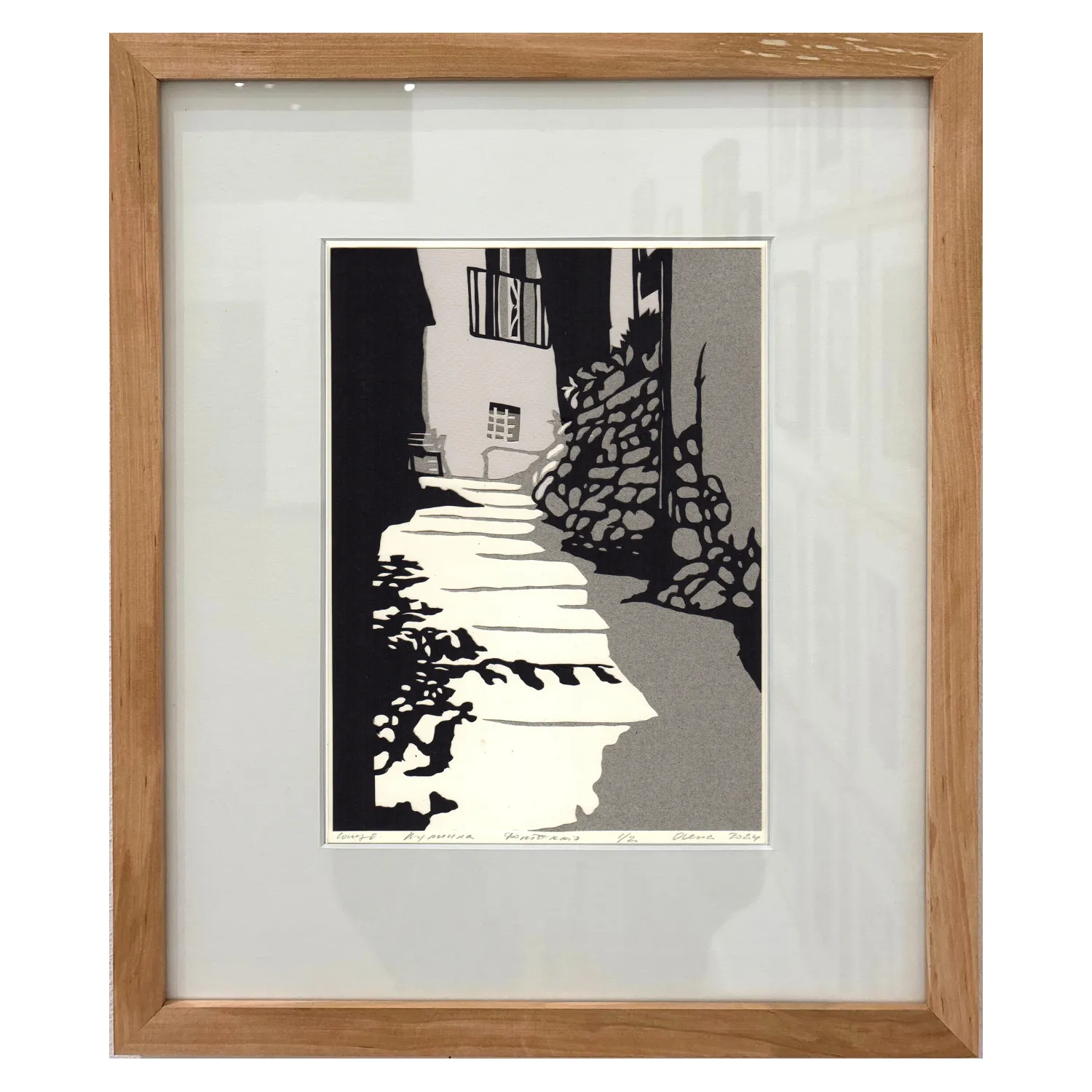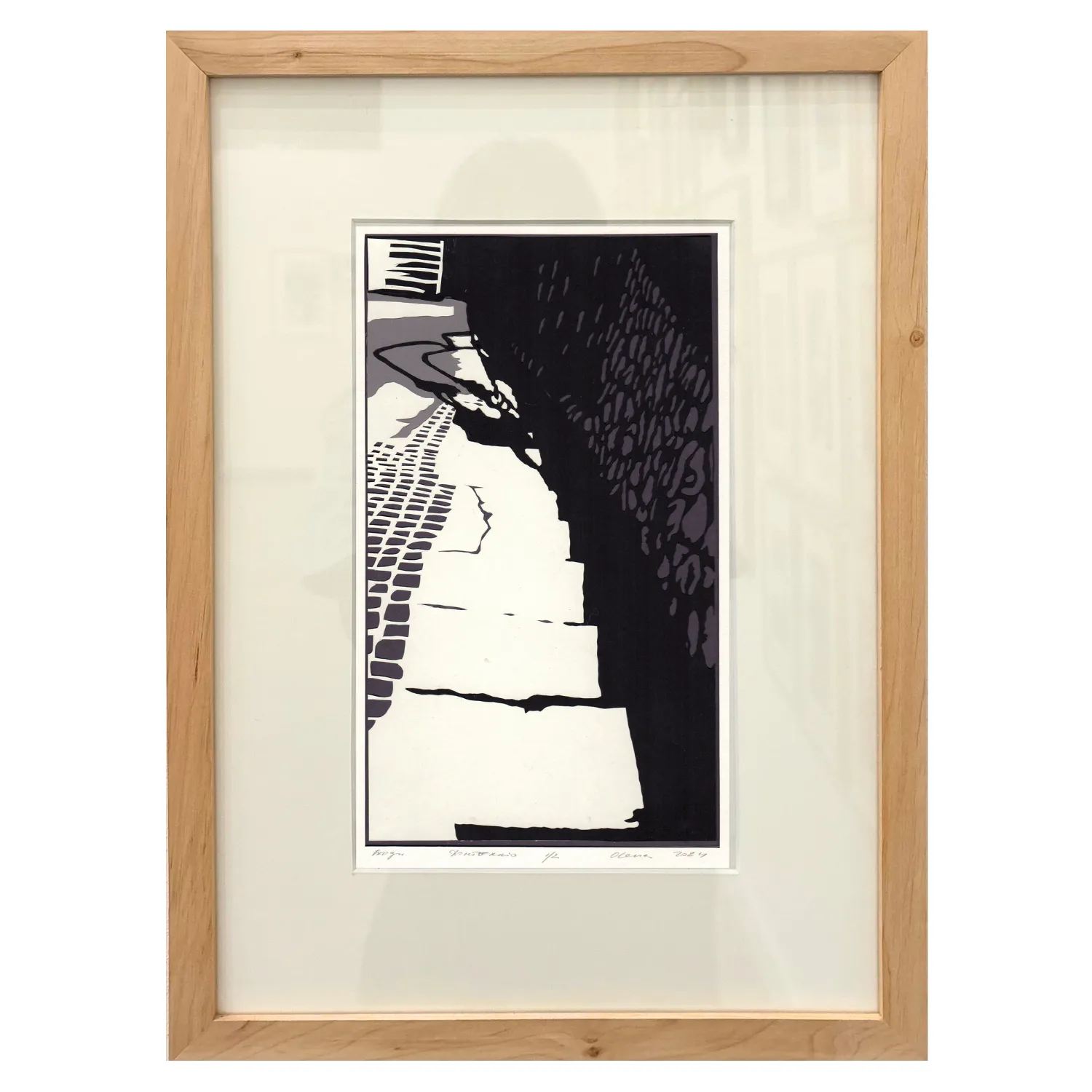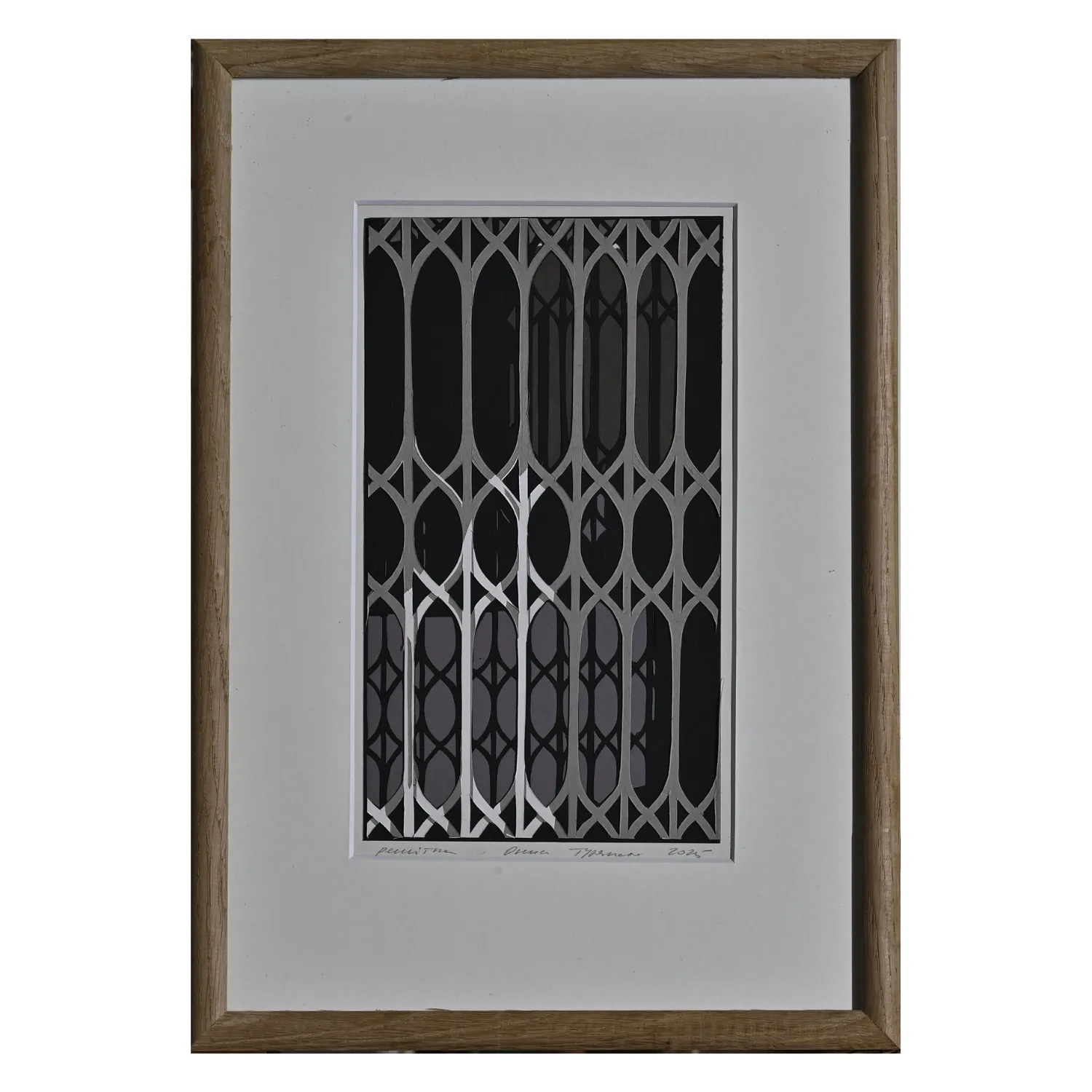
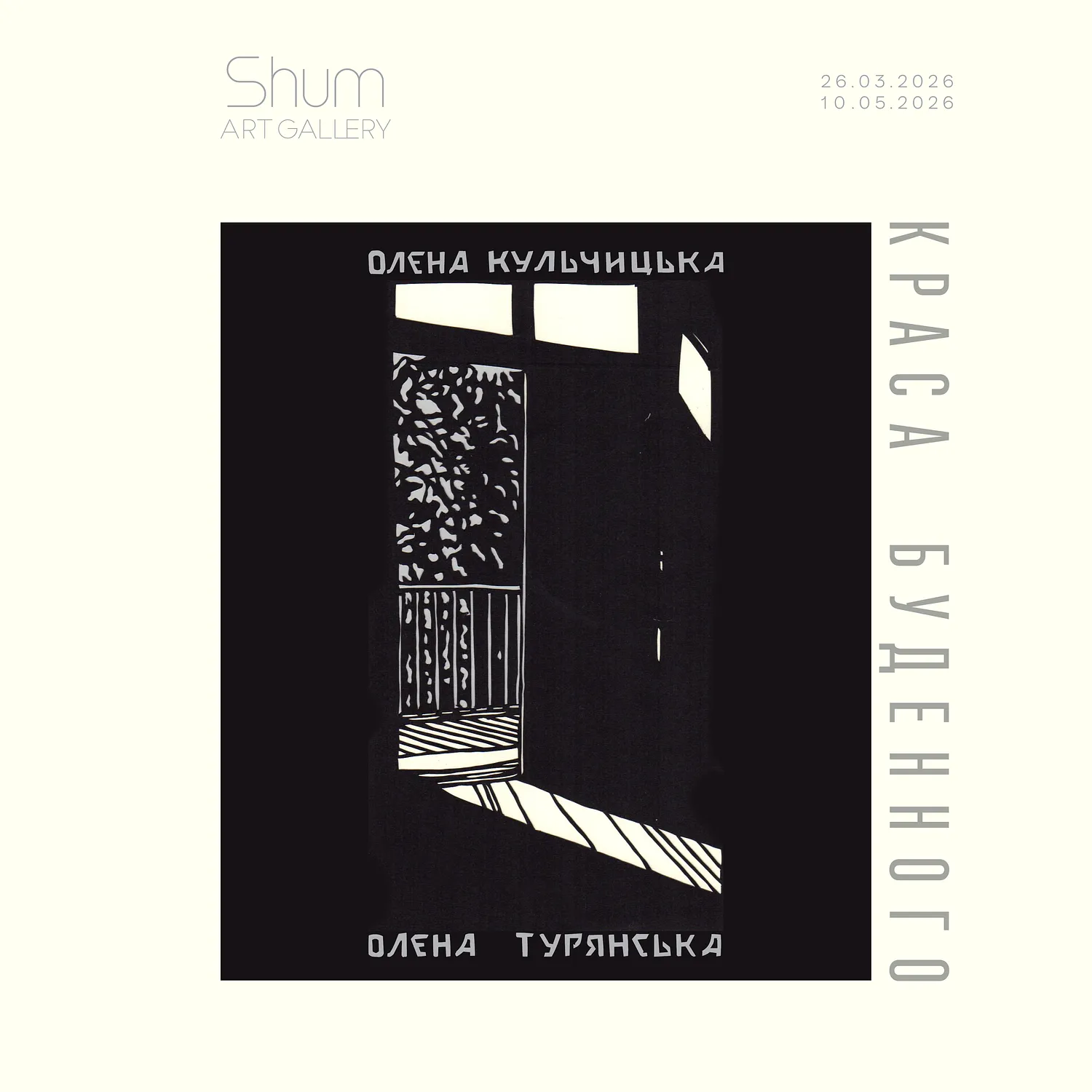
For Olena Turyanska, the project “The Beauty of the Everyday” is an attempt to understand the world of Olena Kulchytska and to explore the creative method of an artist who is important to her. For us, it is a unique opportunity to enter a kind of magical space of art and experience its incredible possibilities. In this space, Olena Turyanska’s artistic practices allow her not only to stand alongside Olena Kulchytska, observing her, but also to interact and co-create this space together.
I look at a narrow street in one of Italy’s small towns, bathed in warm sunlight, at a tree in bloom, at the leaning fence of a rural courtyard, I look at a snow-covered park in Lviv, an old woodshed, an open city gate; I look at the water, the cobblestones, the wall; I see trees, branches, roots, stones... Olena Turyanska noticed all of this; these are all the artist’s ordinary, everyday observations, her “found objects,” later intricately recreated/created from sheets of paper. Yet it is impossible to shake the thought that these places and things, this light and shadow, this angle, line, and compositional technique, remind one of someone—someone who has already been here, someone who has already seen this, and who also noticed and preserved this beauty for us.
It is some elusive sign of Olena Kulchytska’s presence, as if she were walking those same paths. She, too, searches, stops attentively, captures, and later recreates/creates that beautiful everyday life on paper using various techniques. And somehow, in this project, I can’t bring myself to write about Kulchytska in the past tense.
It seems that Ivanna Fedorovych-Malytska once wrote about the “sensitive, yet unsentimental nature of the artist” Olena Kulchytska. Mykola Voronyi added: “No ostentation or showiness, nothing superfluous or garish—elegant simplicity, rational taste, and a subtle aesthetic sense of European culture, and at the same time—a unique, national one—arose here somehow on their own—from an organic need, from the tribulations of practical life.” Rereading these lines, I wonder—is this about Kulchytska, or about Turyanska? And I feel gratitude that Turyanska speaks of Kulchytska, and Kulchytska of Turyanska, with the simplicity and clarity characteristic of both.
Maria Tsymbalista

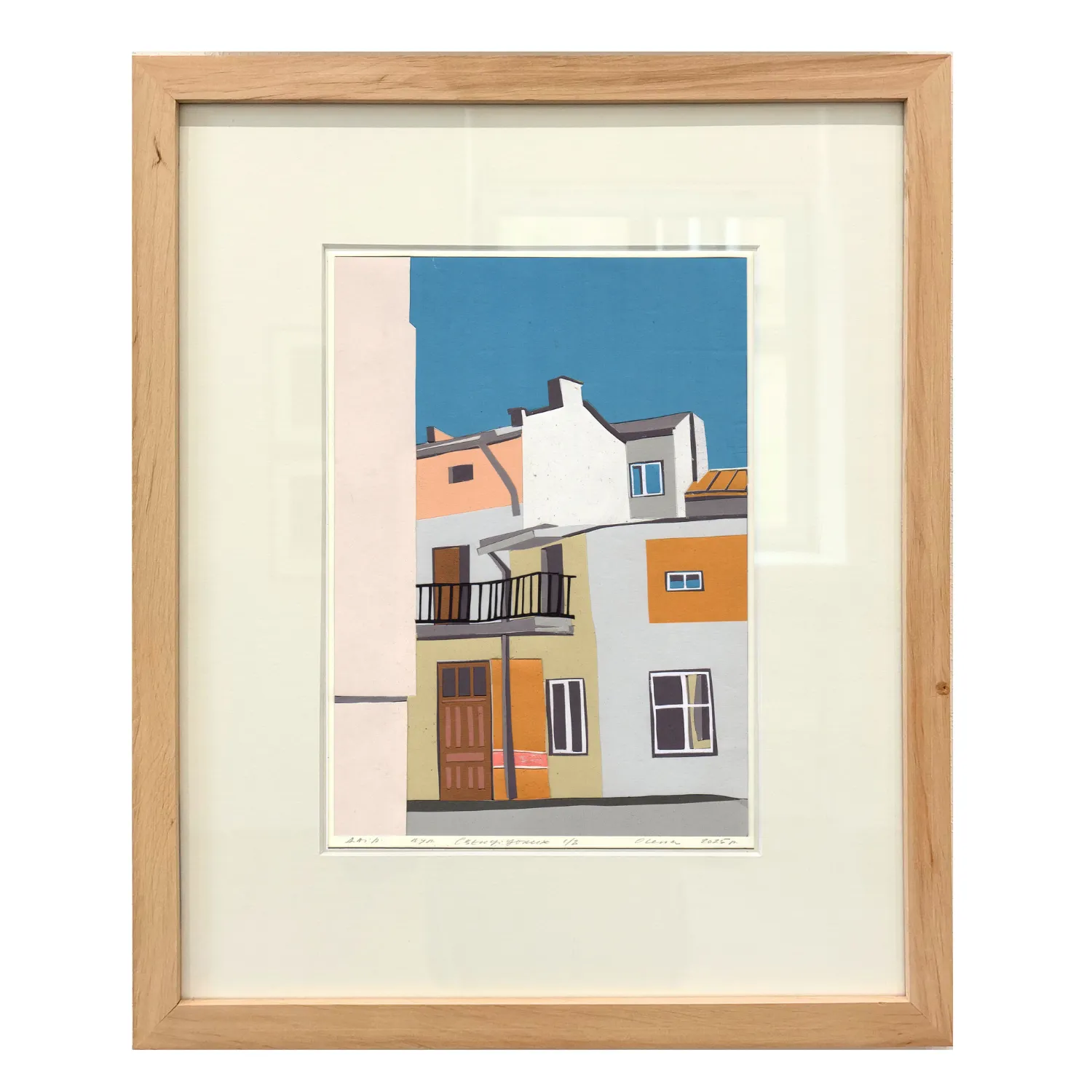
dvir. vulytsia Svientsitskykh
Olena Turyanska
19 х 26.5 см
папір, витинання, аплікація
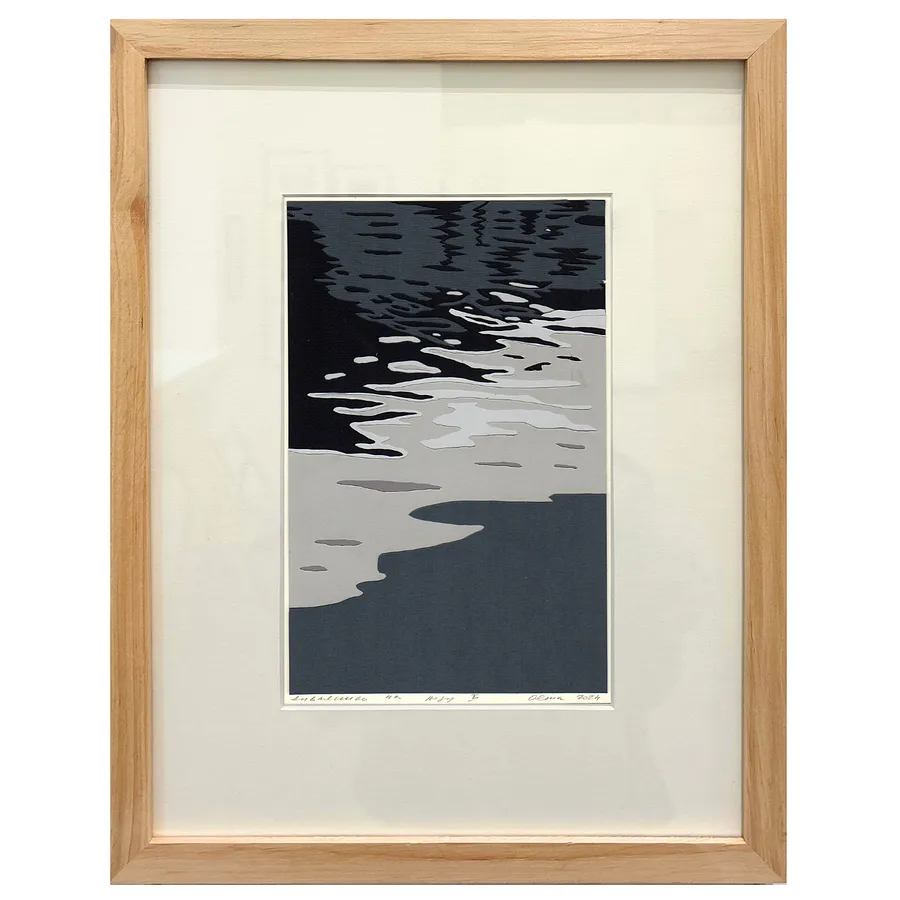
looking at the water V
Olena Turyanska
15,5 х 24 см
paper, cutting, appliqué
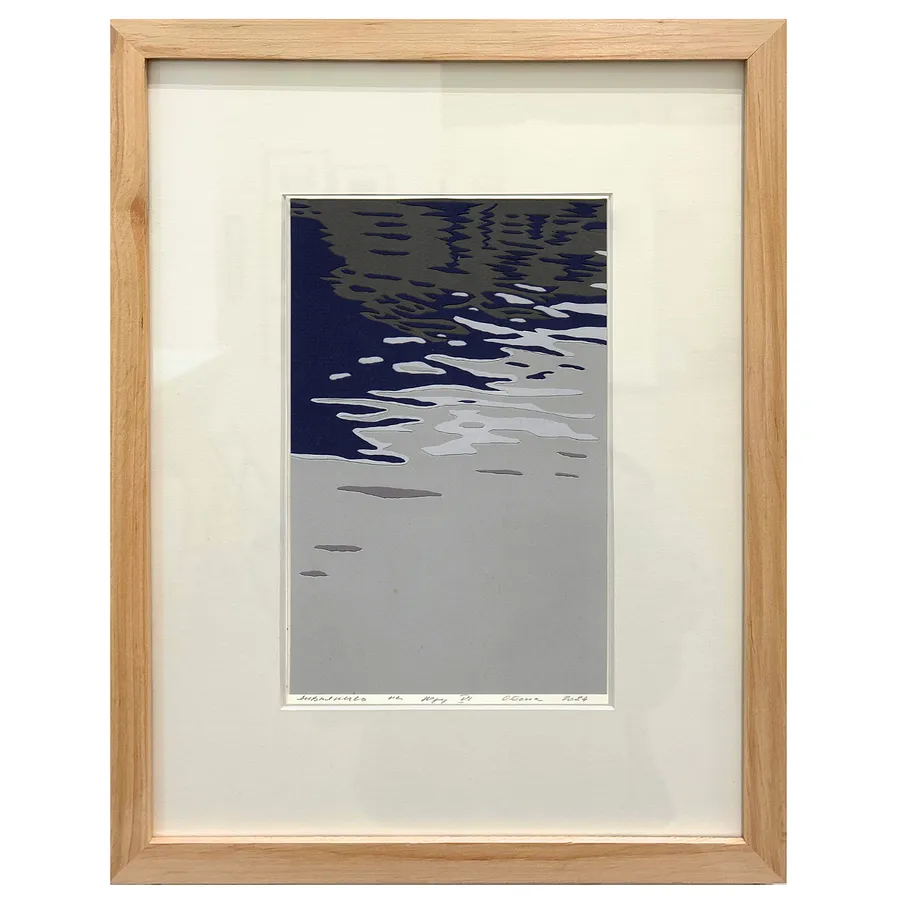
looking at the water VI
Olena Turyanska
15,5 х 24,5 см
paper, cutting, appliqué
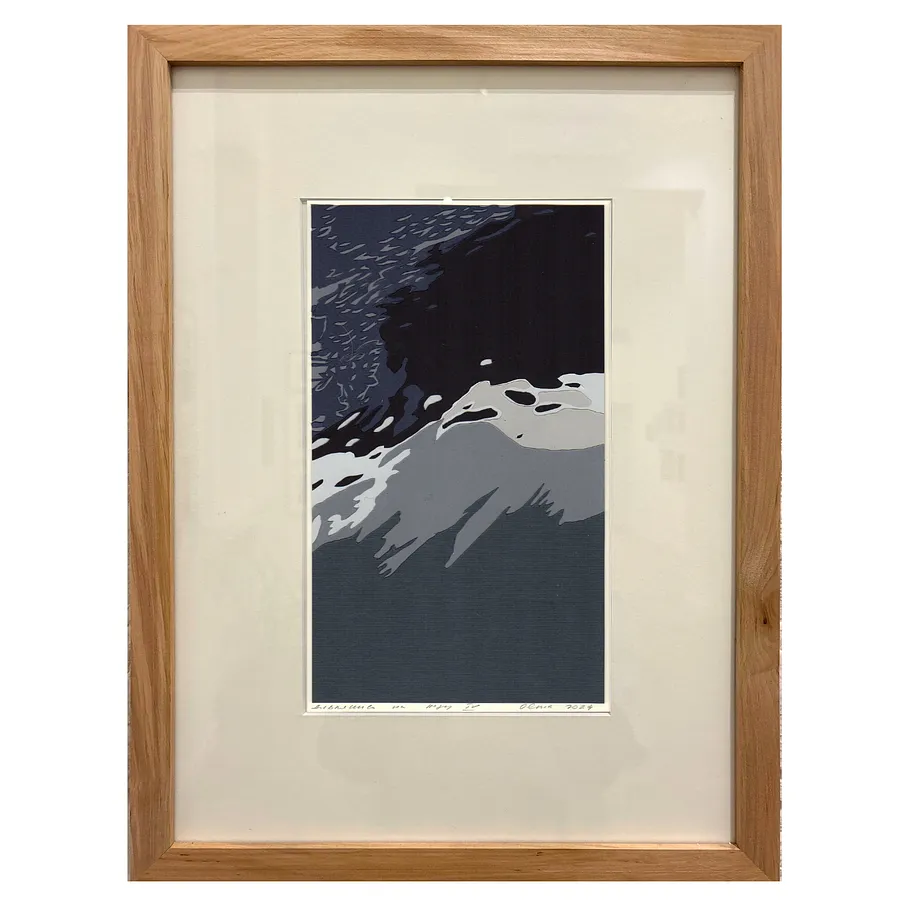
looking at the water IV
Olena Turyanska
15 х 25 см
paper, cutting, appliqué
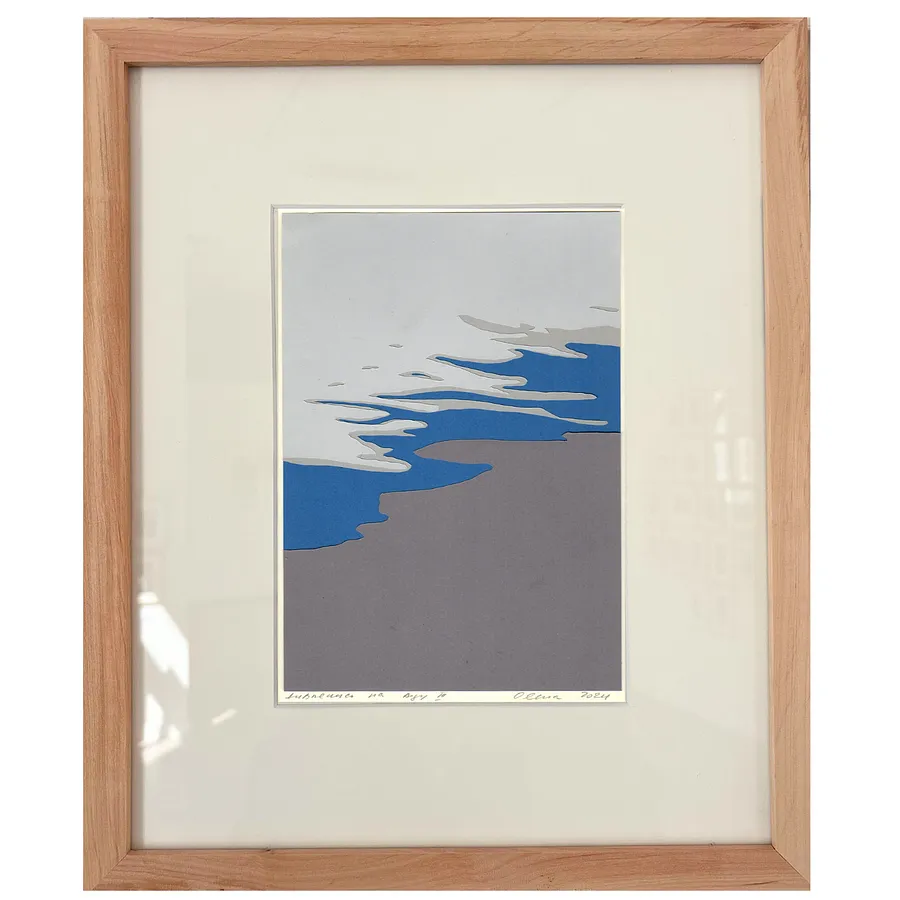
looking at the water III
Olena Turyanska
15,5 х 22 см
paper, cutting, appliqué
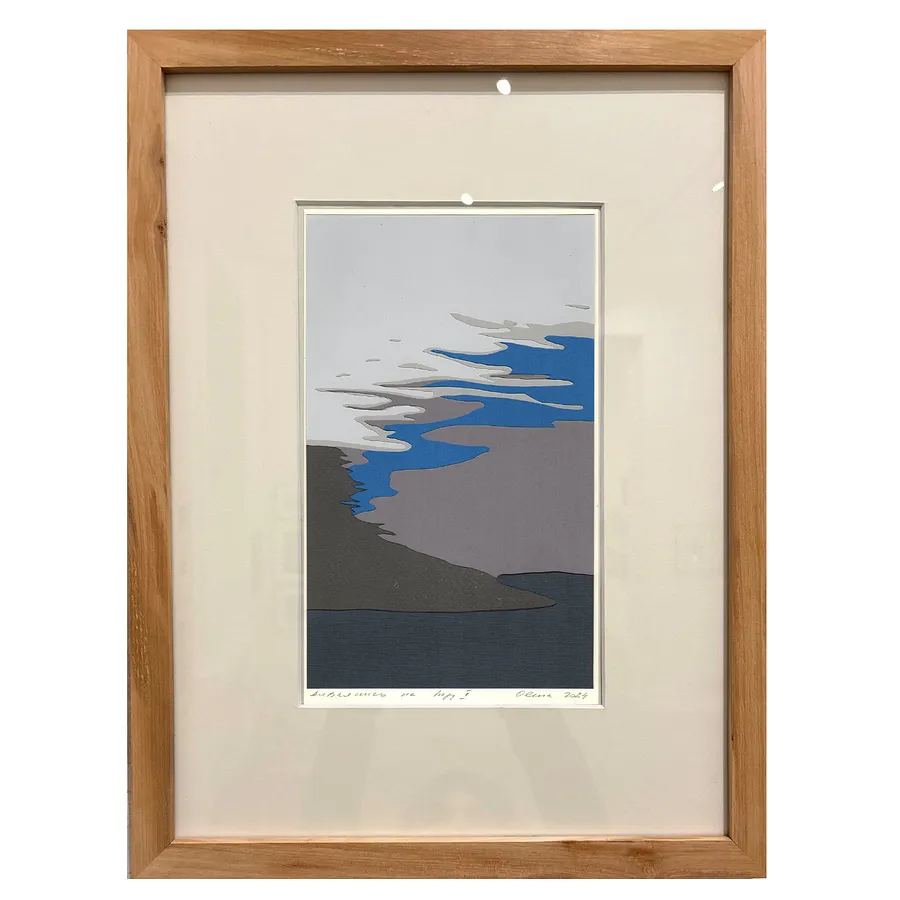
looking at the water II
Olena Turyanska
15 х 25 см
paper, cutting, appliqué
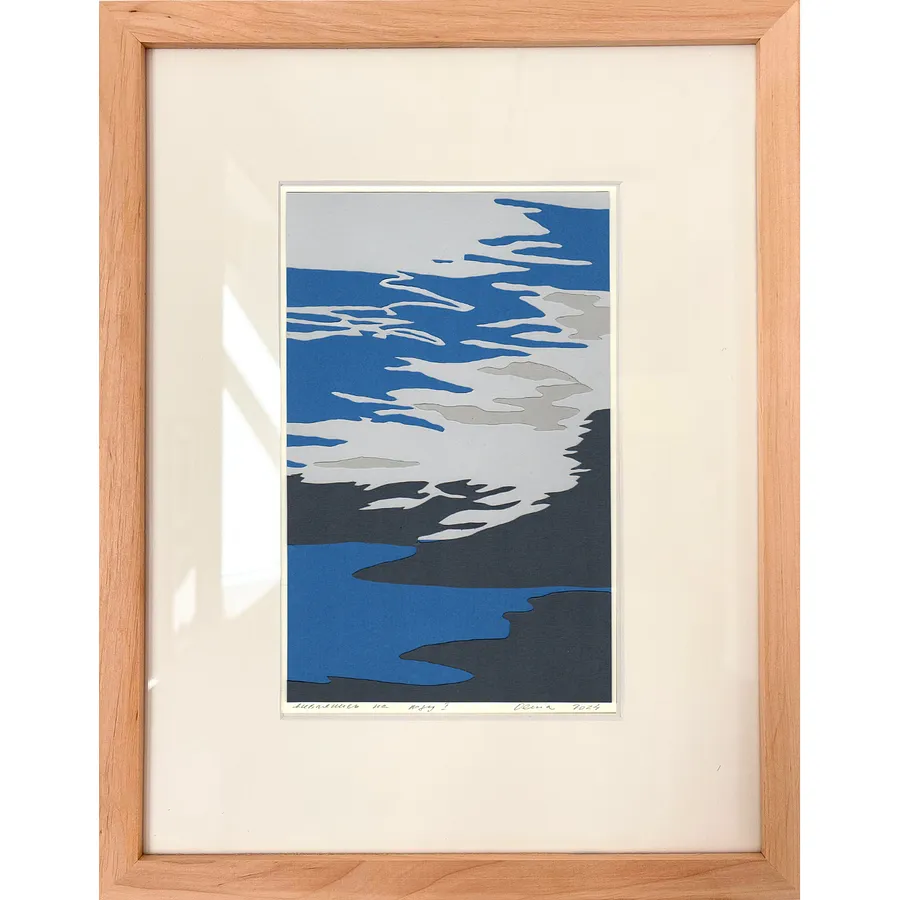
looking at the water I
Olena Turyanska
15, 5 х 24,5 см
paper, cutting, appliqué
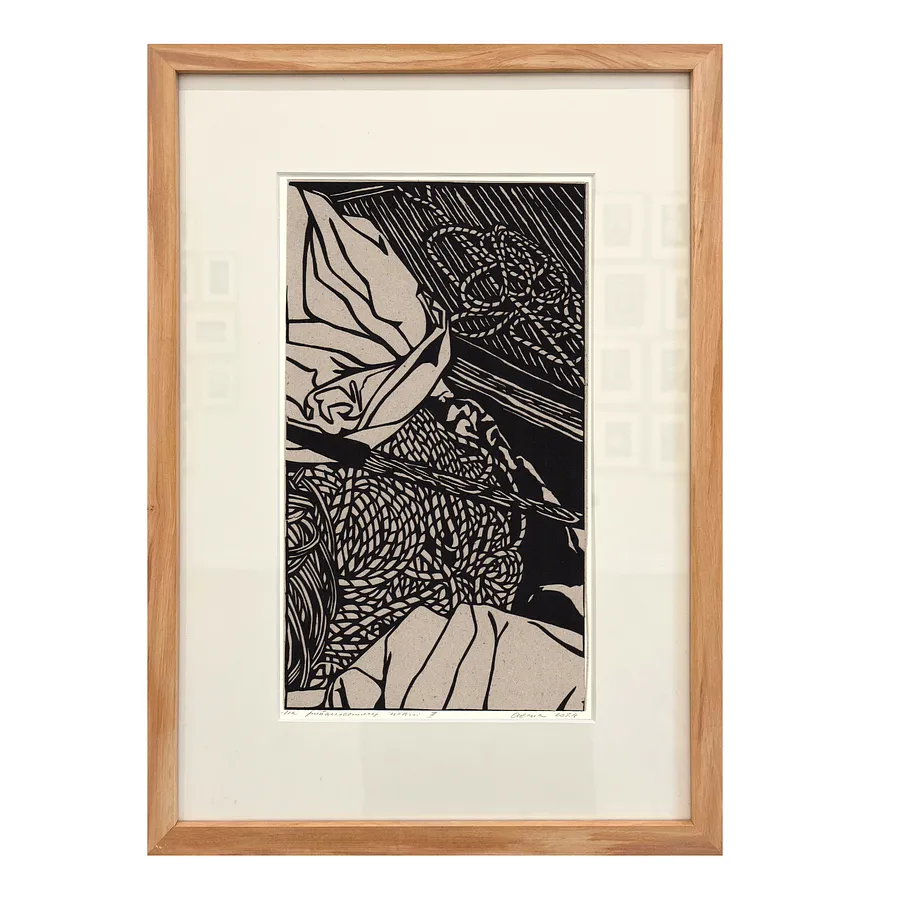
Na rybalskomu chovni II
Olena Turyanska
19,5 х 33,5 см
папір, витинання, аплікація
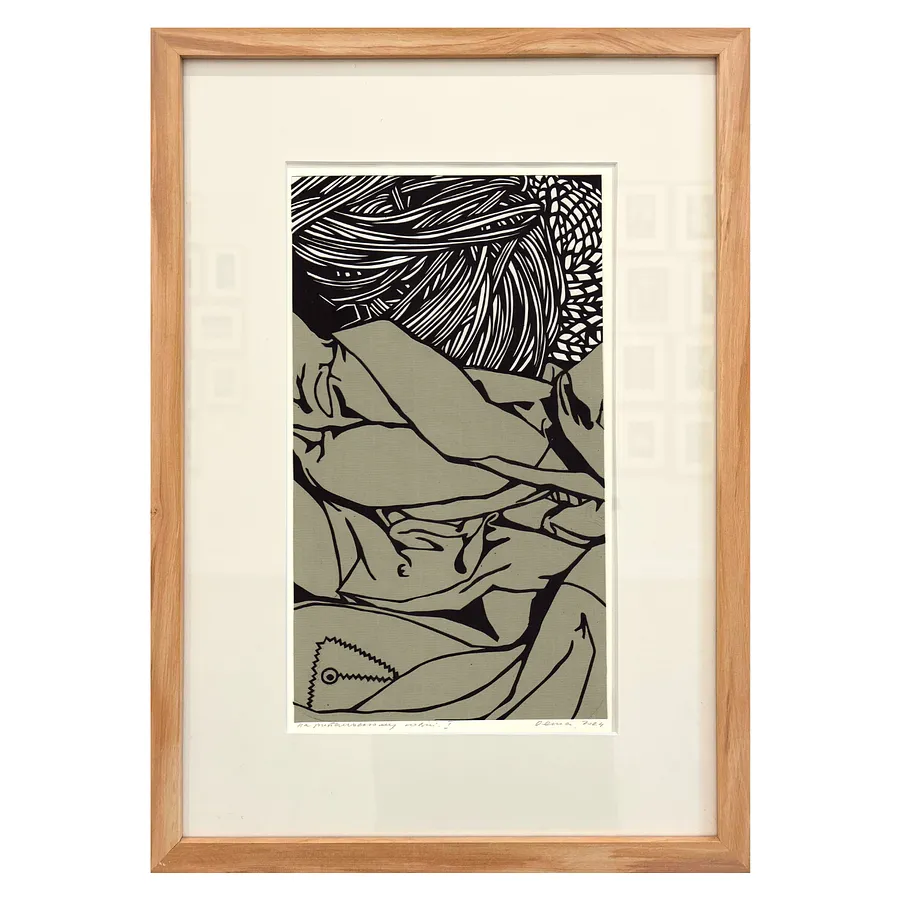
NA rybalskomu chovni I
Olena Turyanska
19,5 х 33,5 см
папір, витинання, аплікація
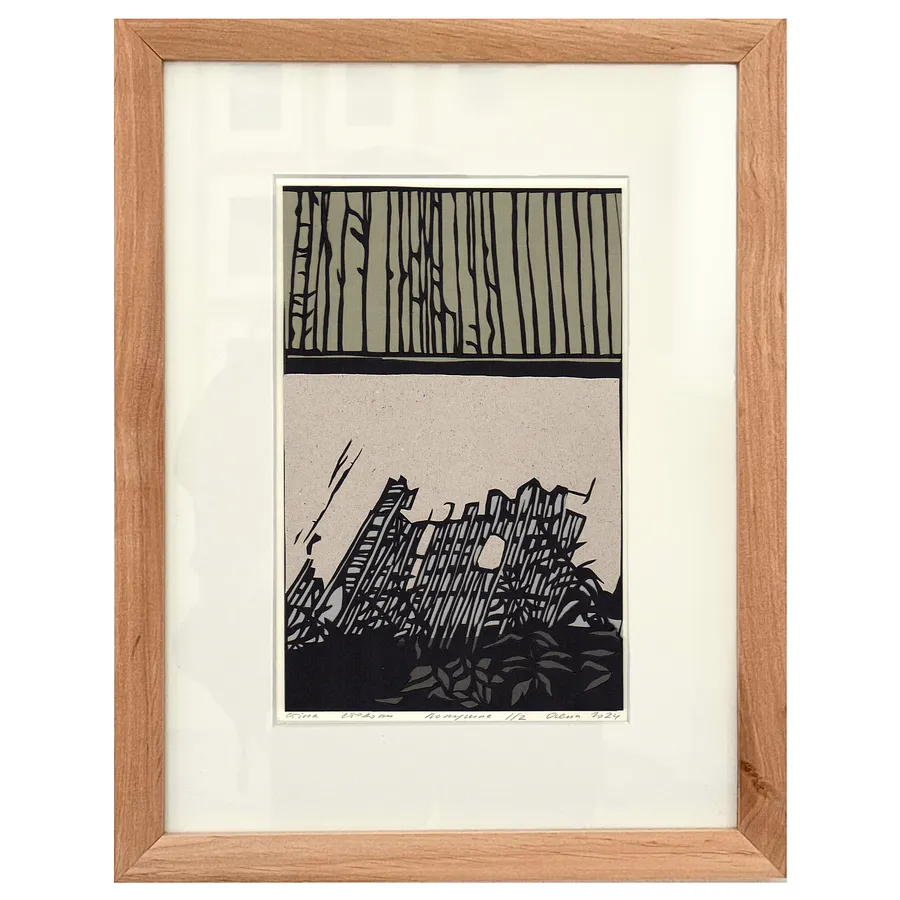
Stina. Stodola v Lopushnii
Olena Turyanska
14 х 22 см
paper, cut-out, appliqué
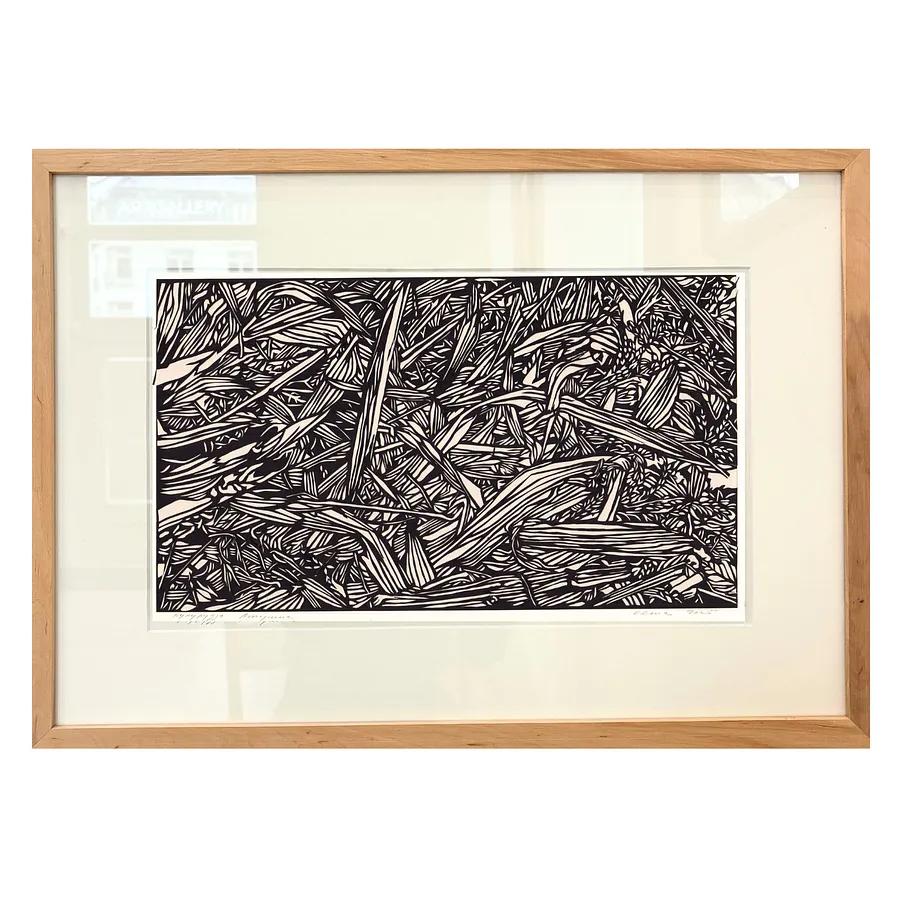
corn. lopushna
Olena Turyanska
23 х 40 см
папір, витинання, аплікація
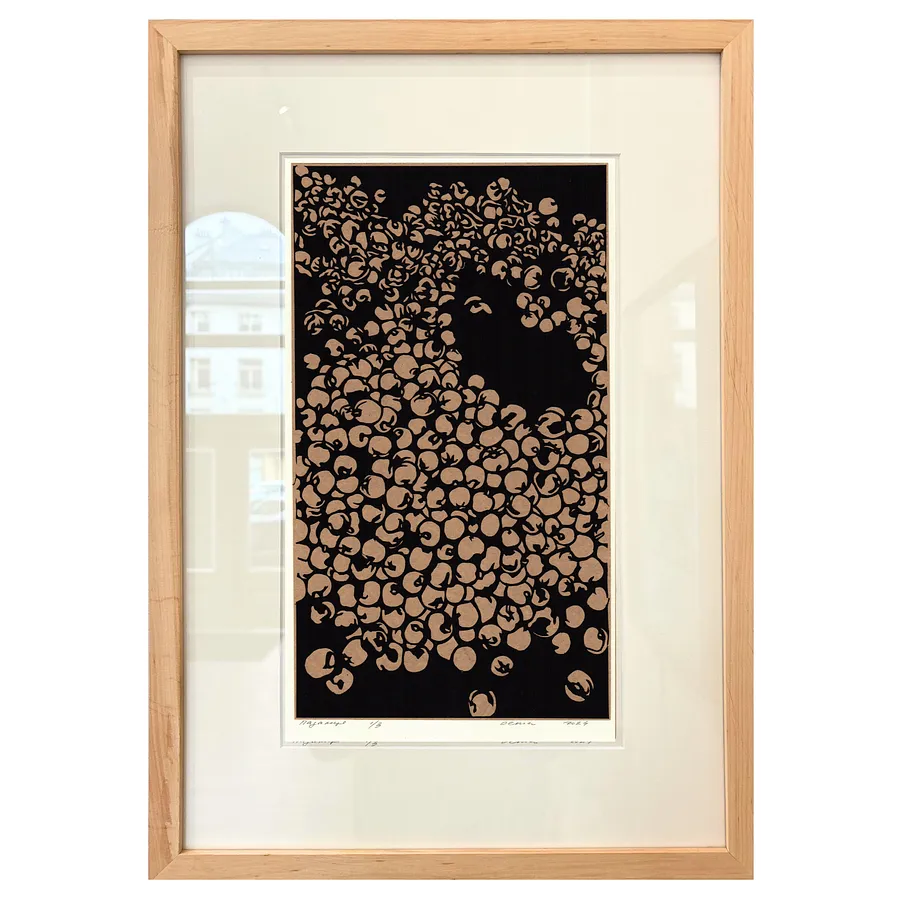
Padalytsia
Olena Turyanska
21,5 х 38 cм
папір, витинання, аплікація
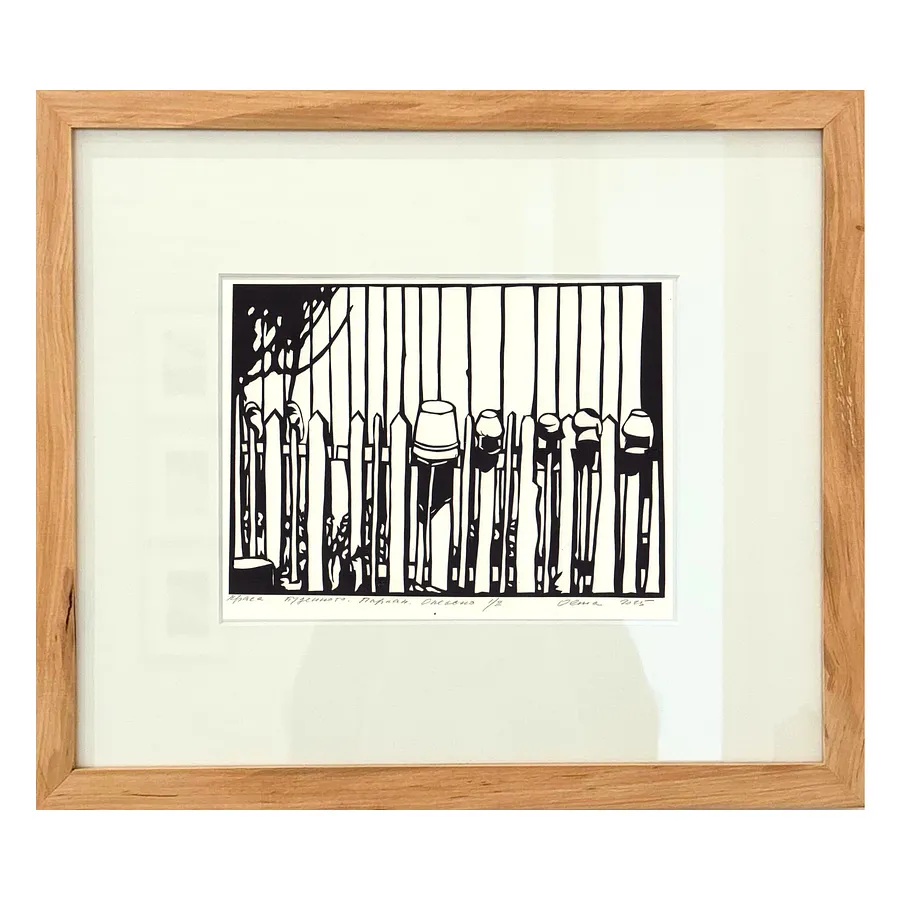
Parkan. Olesko
Olena Turyanska
14,5 х 20,5 см
папір, витинання, аплікація
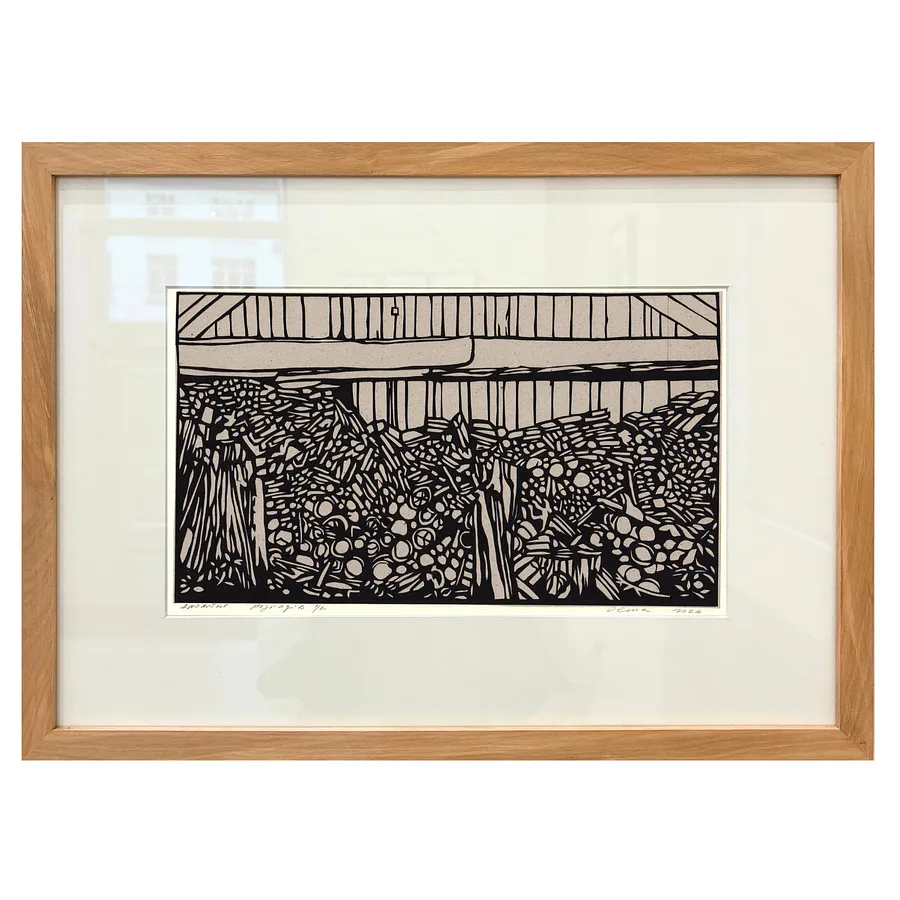
Drovitnia. Rozhadiv
Olena Turyanska
18,5 х 32,5 см
папір, витинання, аплікація
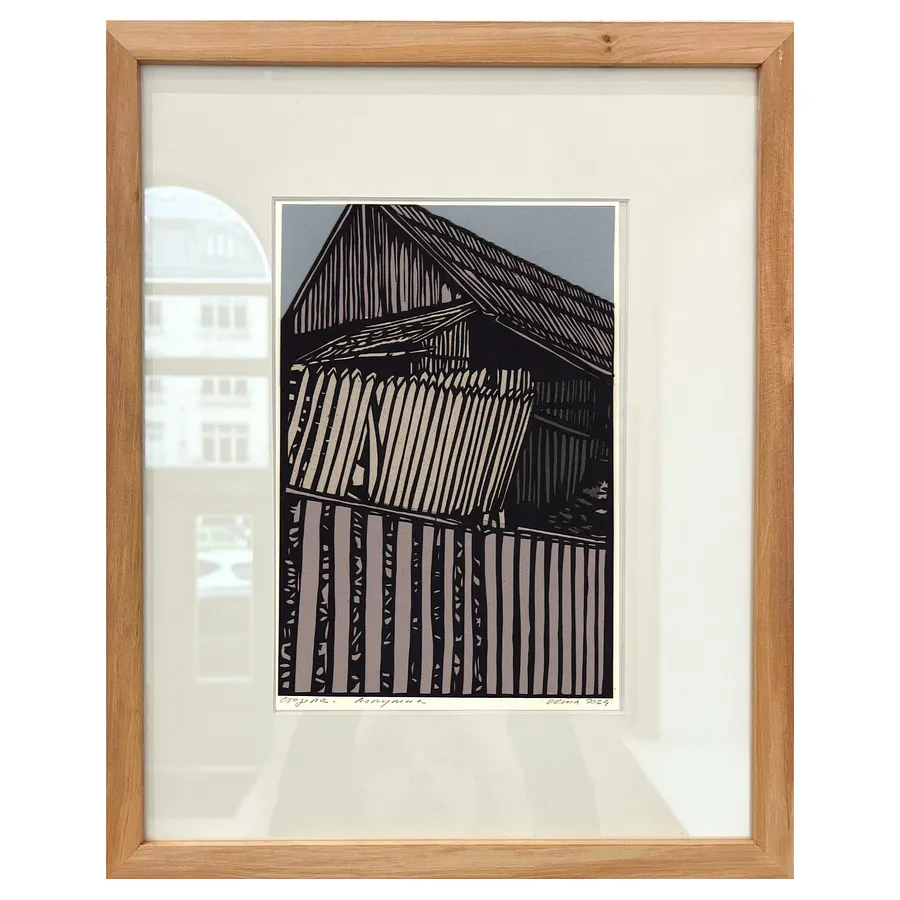
Stodola. Lopushna
Olena Turyanska
17 х 24,5 см
папір, витинання, аплікація
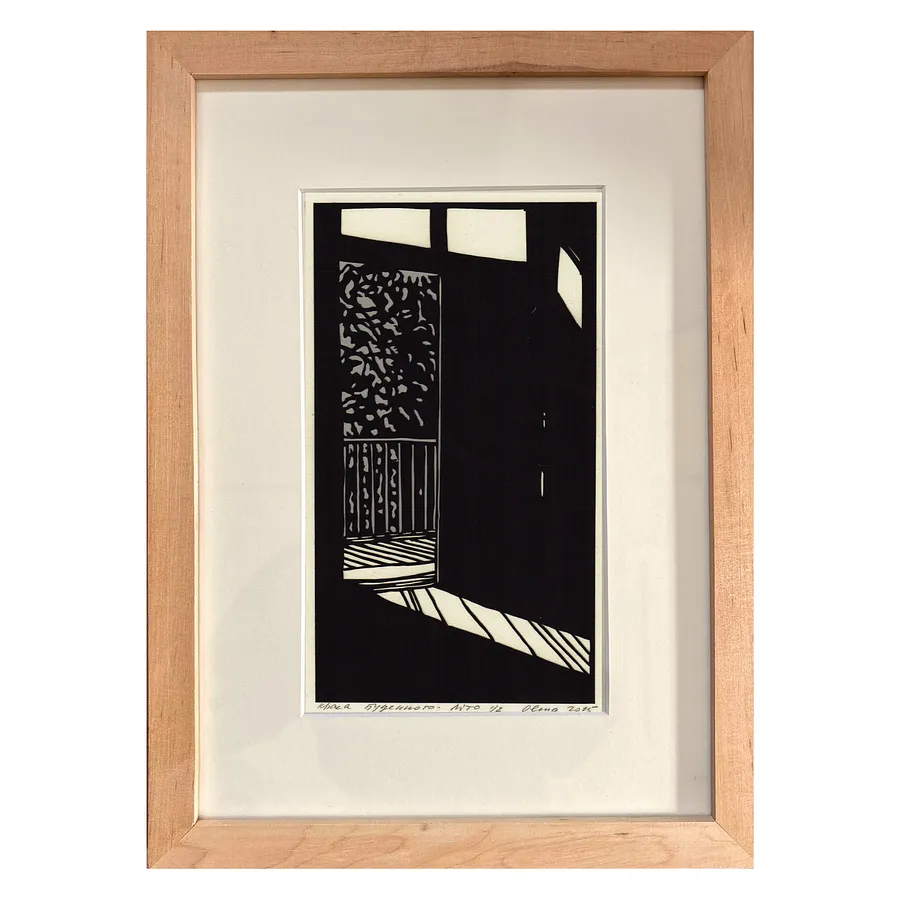
summer
Olena Turyanska
12 х 21,5 см
папір, витинання, аплікація
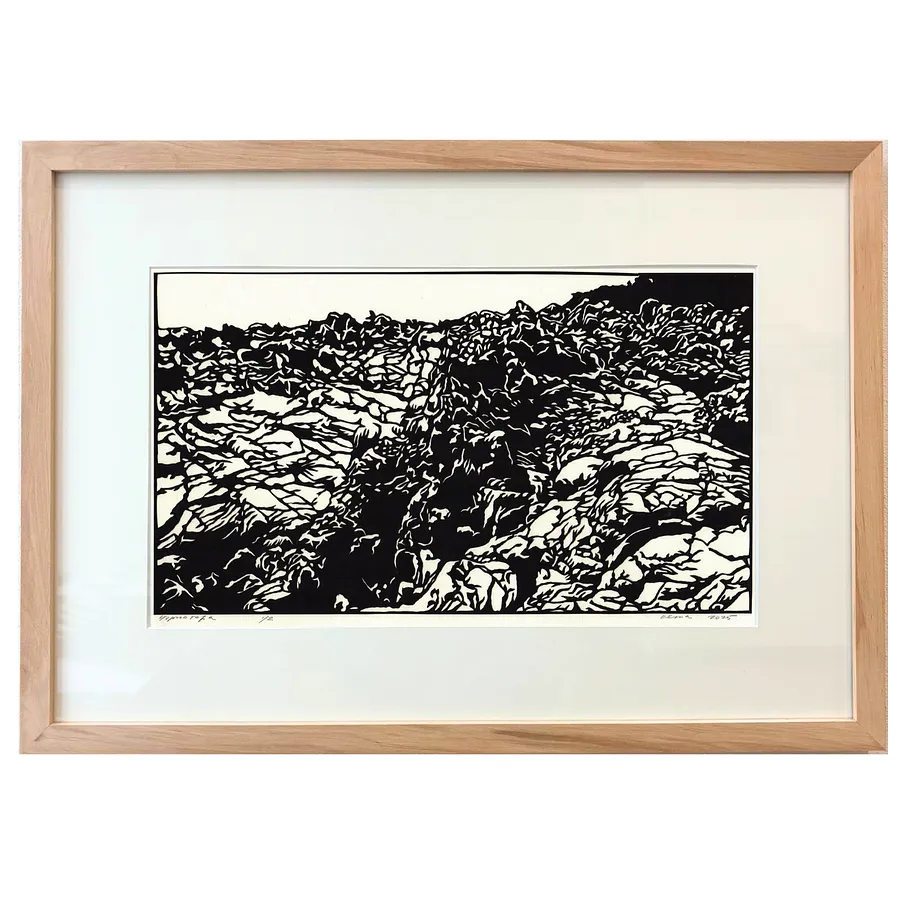
Chornohora
Olena Turyanska
23,5 х 41 см
папір, витинання, аплікація
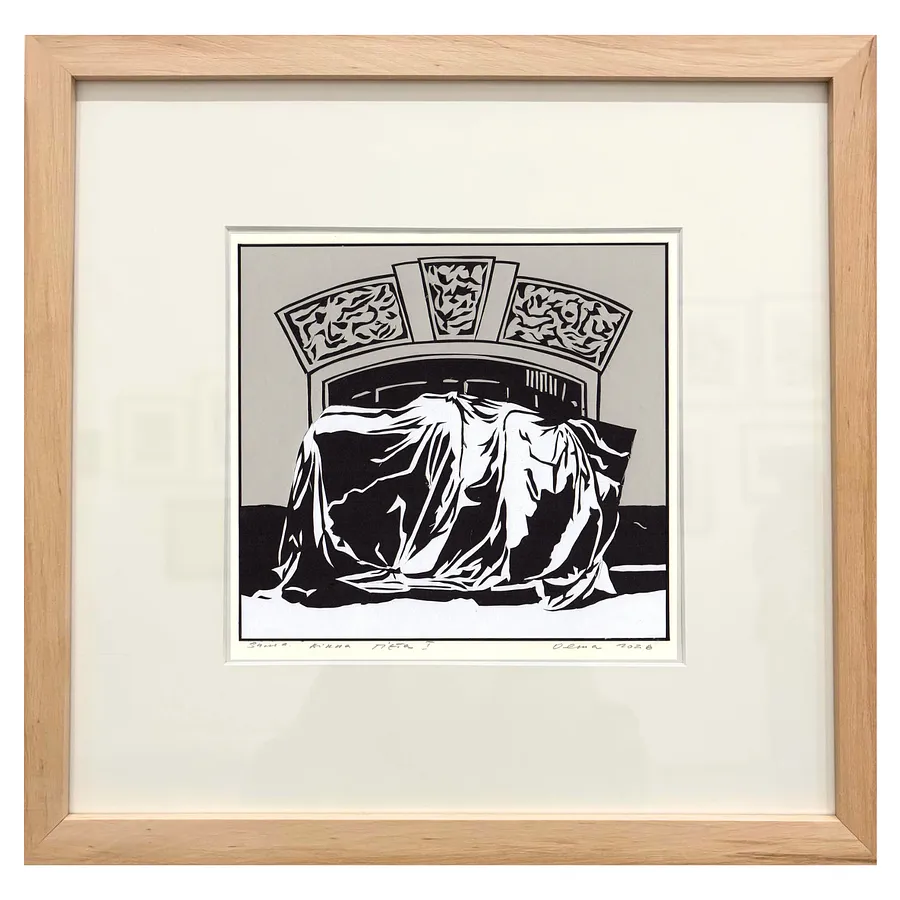
Zyma. Vikna. Piieta I
Olena Turyanska
18 х 19 см
Зима. Вікна. Пієта III
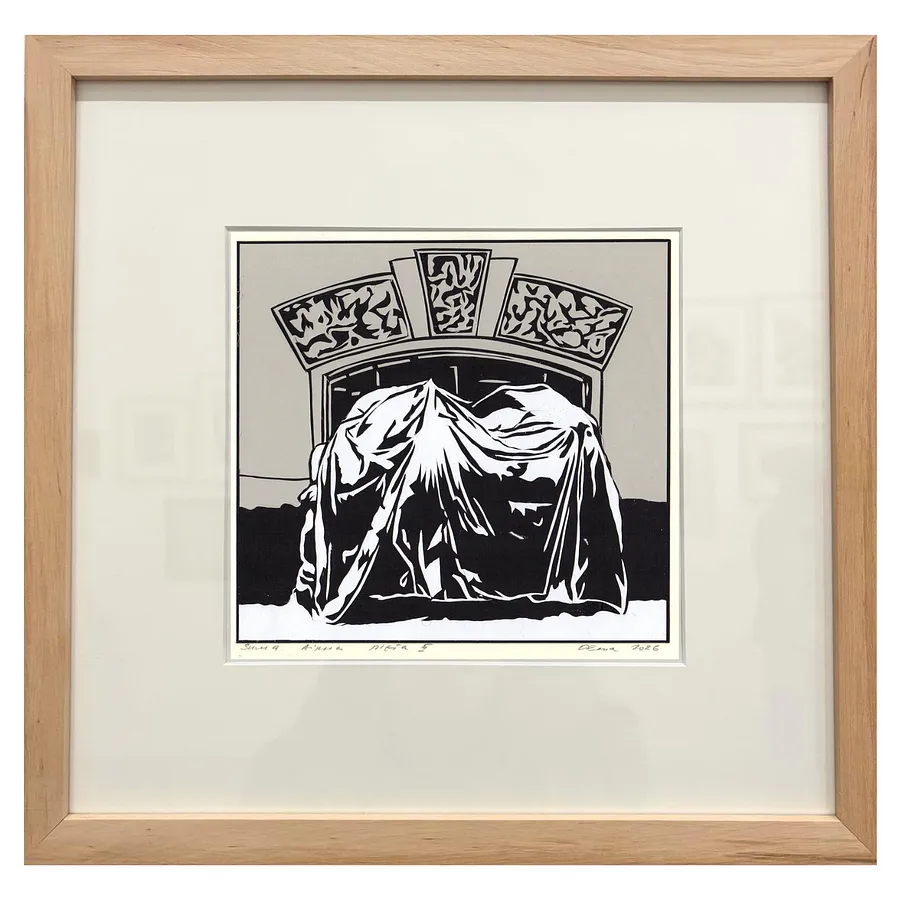
Zyma. Vikna. Piieta II
Olena Turyanska
18 х 19 см
папір, витинання, аплікація
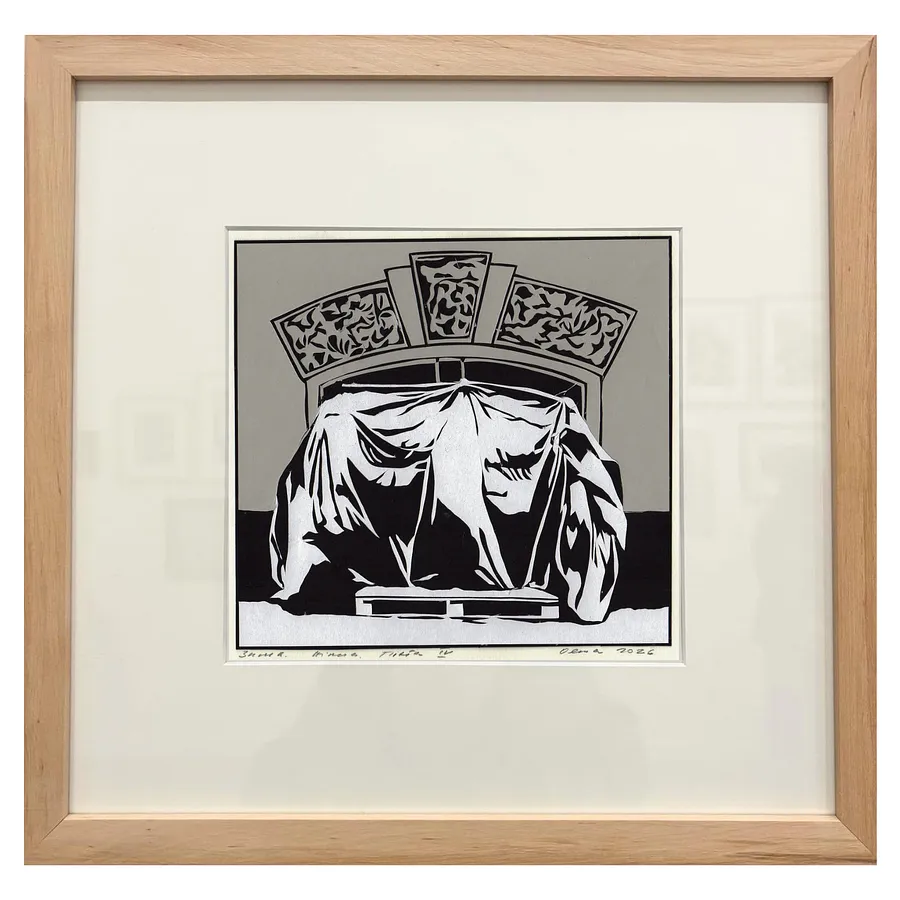
Zyma. Vikna. Piieta IV
Olena Turyanska
18 х 19 см
папір, витинання, аплікація
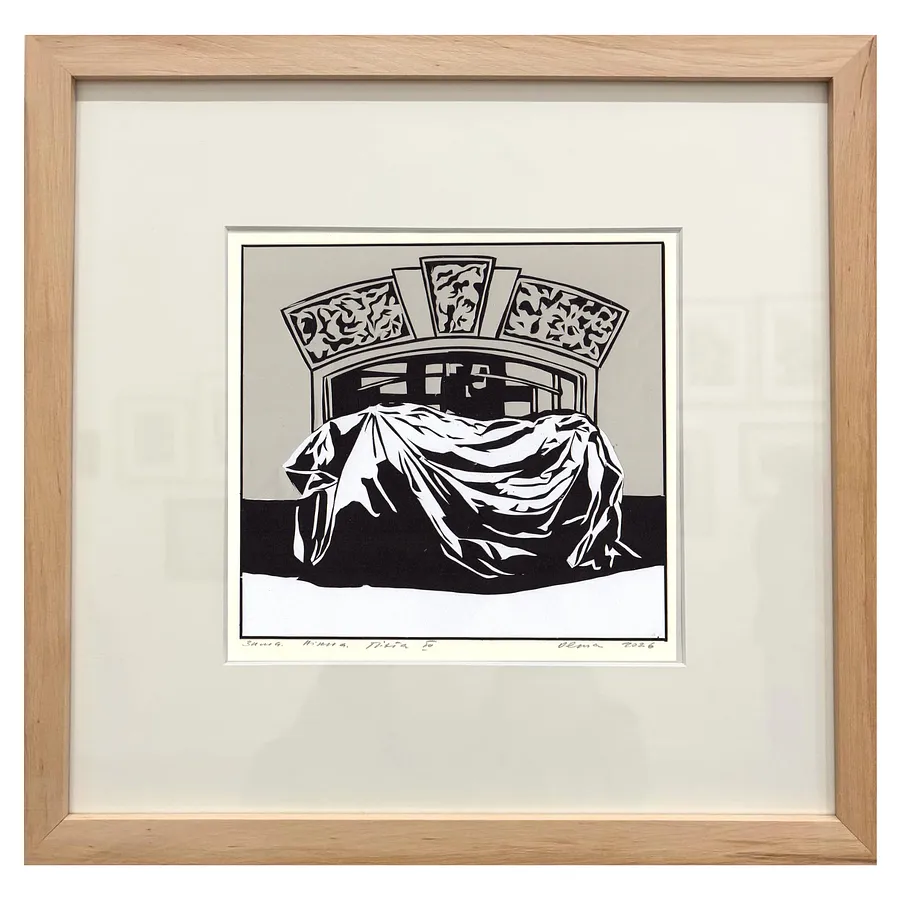
Zyma. Vikna. Piieta III
Olena Turyanska
18 х 19 см
папір, витинання, аплікація
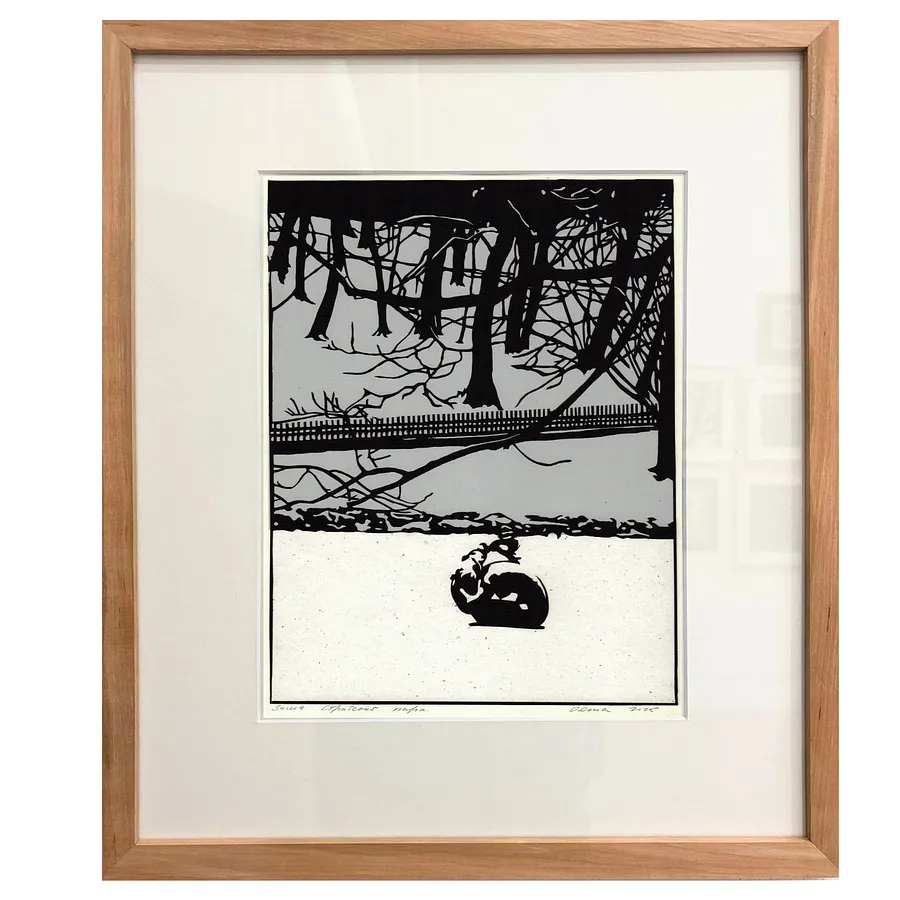
winter. stryisky park
Olena Turyanska
22,5 x 29 см
папір, витинання, аплікація
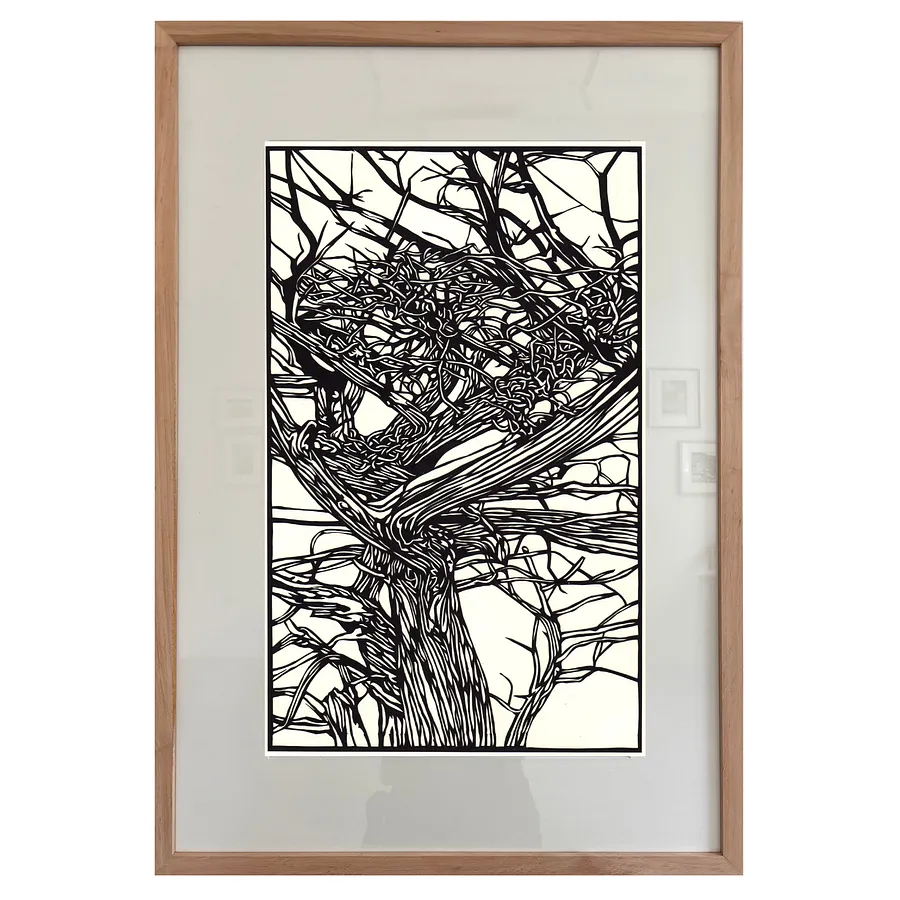
Derevo. Prysviata Oleni Kulchytskii
Olena Turyanska
32 х 55 см
папір, витинання, аплікація
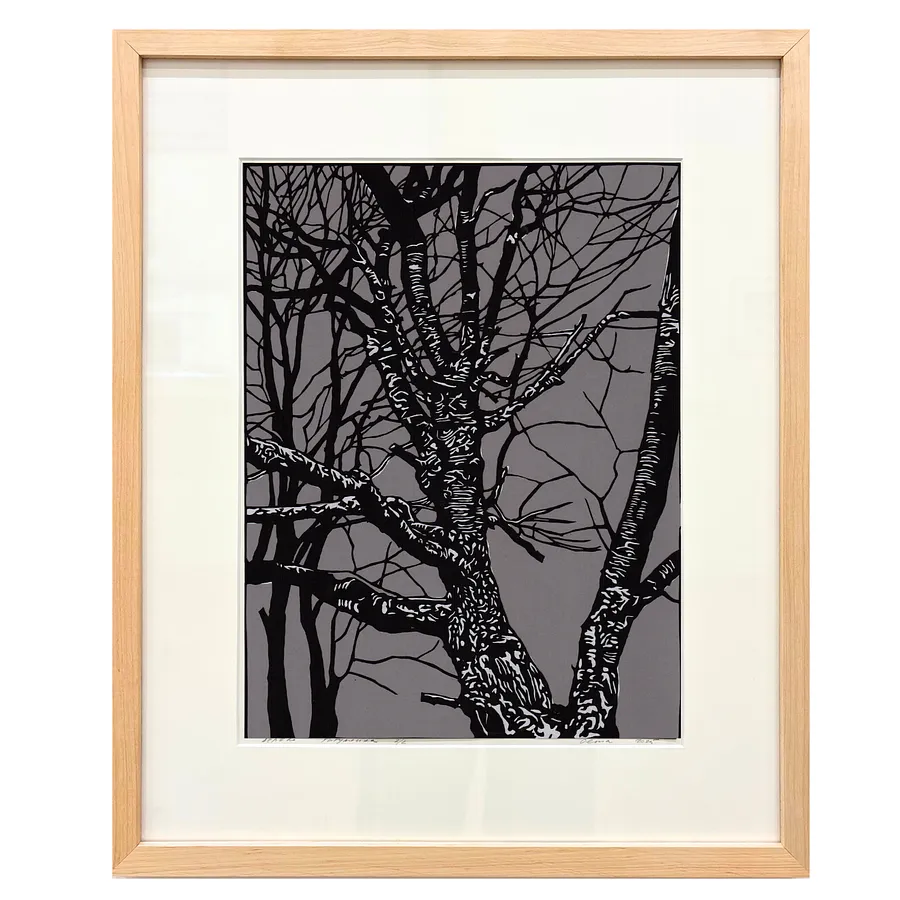
tree. pohulanka (with background)
Olena Turyanska
29 х 38,5 см
paper, cutting, appliqué
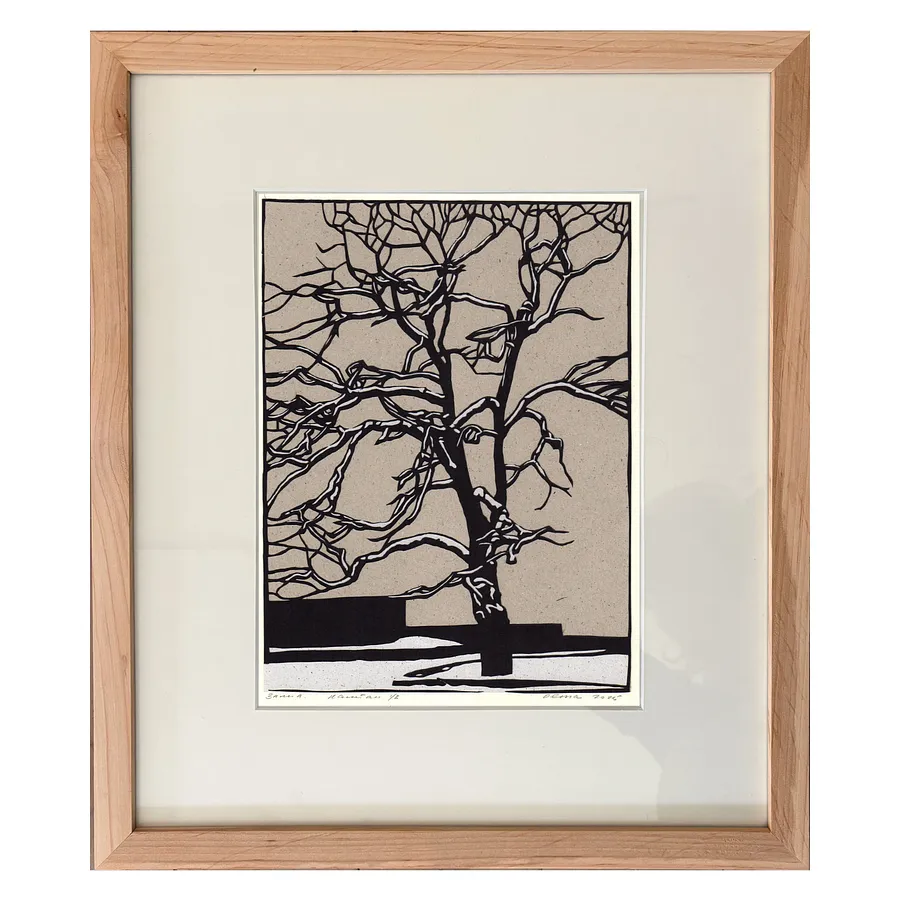
winter. chestnut. Lviv
Olena Turyanska
20 х 26,5 см
paper, cutting, appliqué
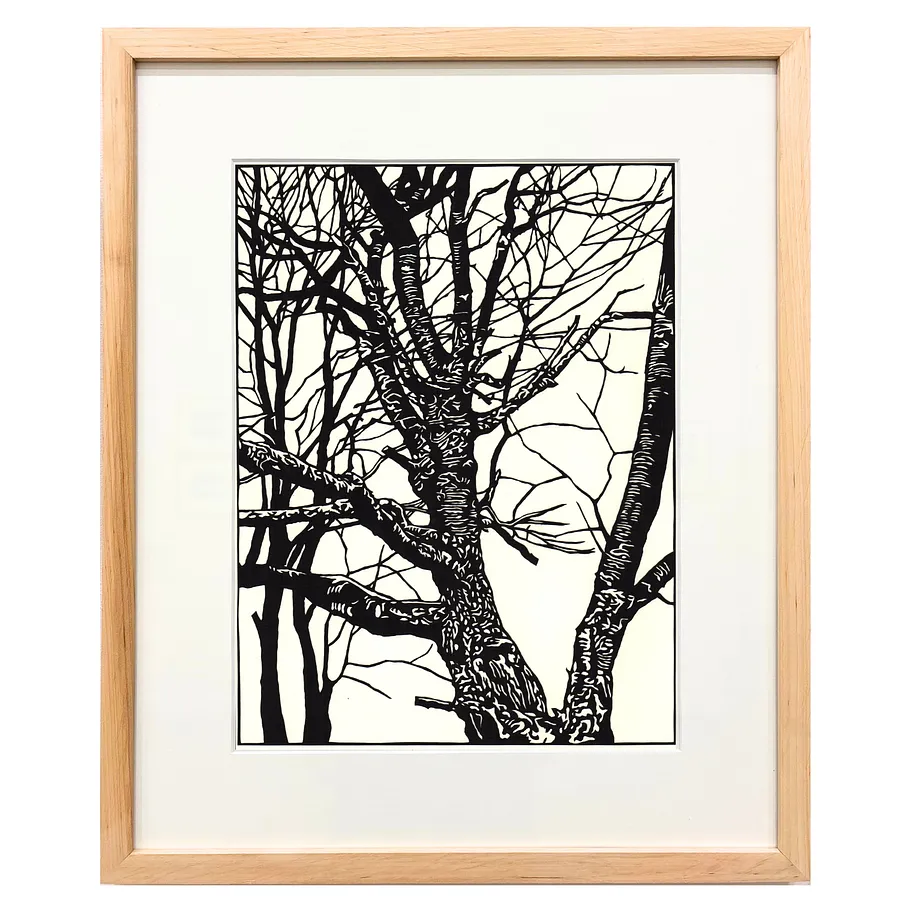
tree. pohulanka
Olena Turyanska
29 х 38,5 см
папір, витинання, аплікація
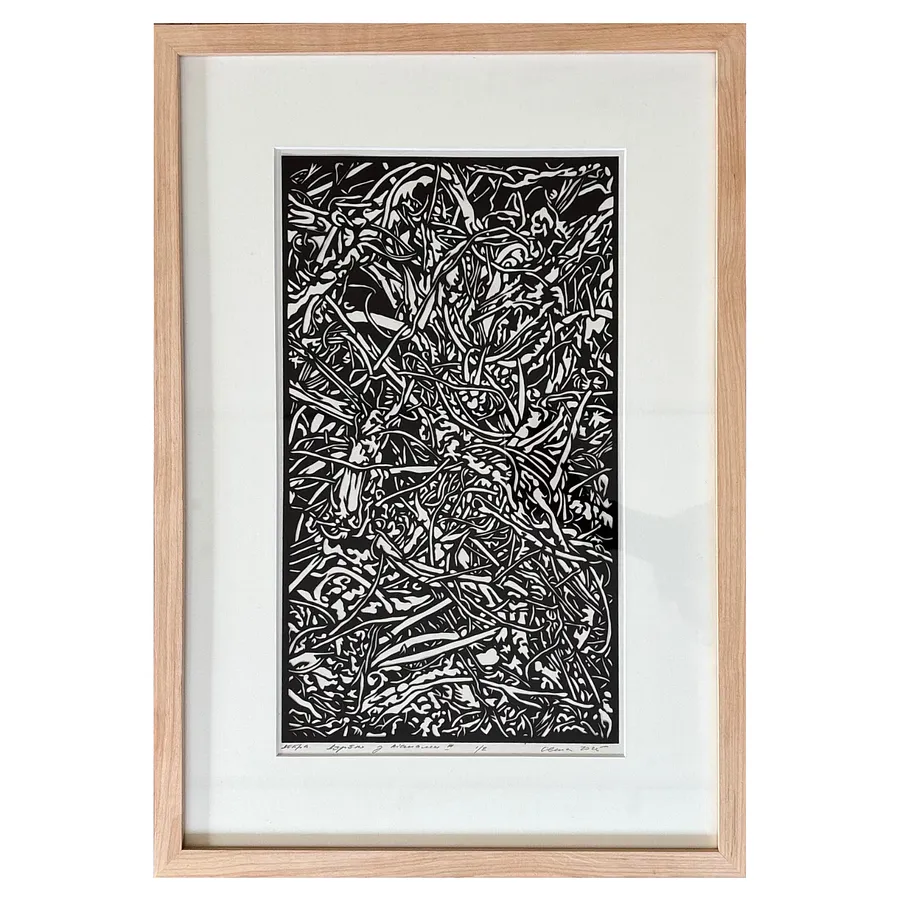
debra. derevo z lianamy III
Olena Turyanska
23,5 х 41 см
папір, витинання, аплікація
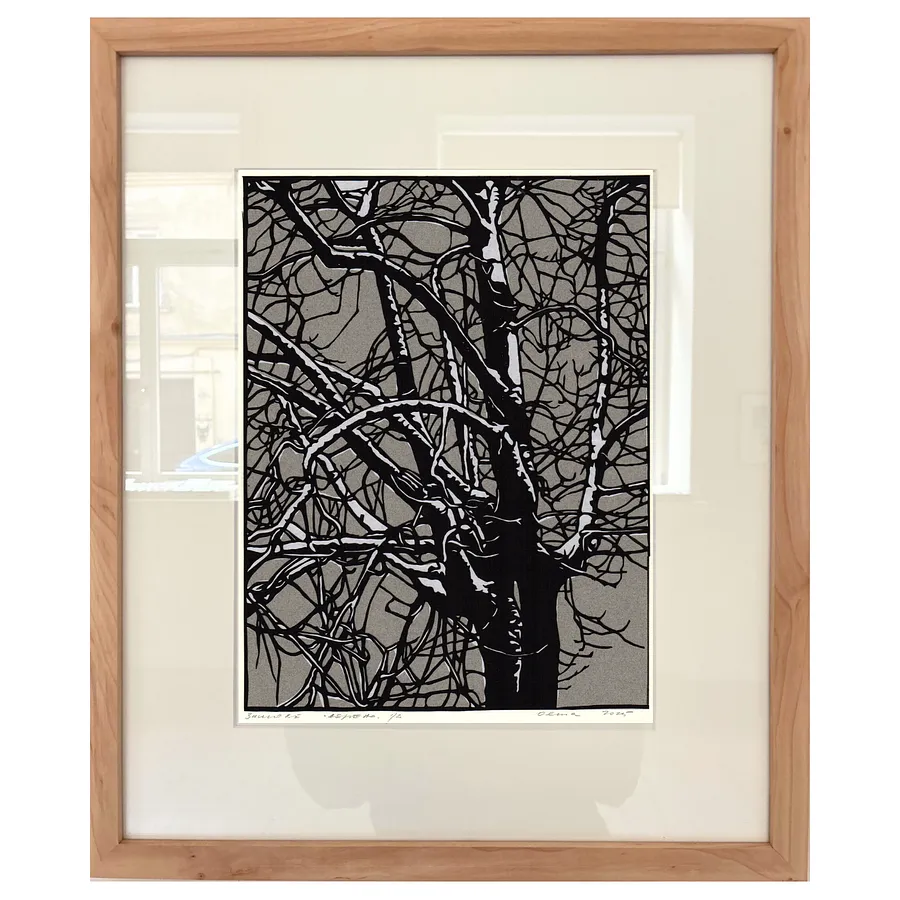
winter tree
Olena Turyanska
23 х 30,5 см
paper, cutting, appliqué
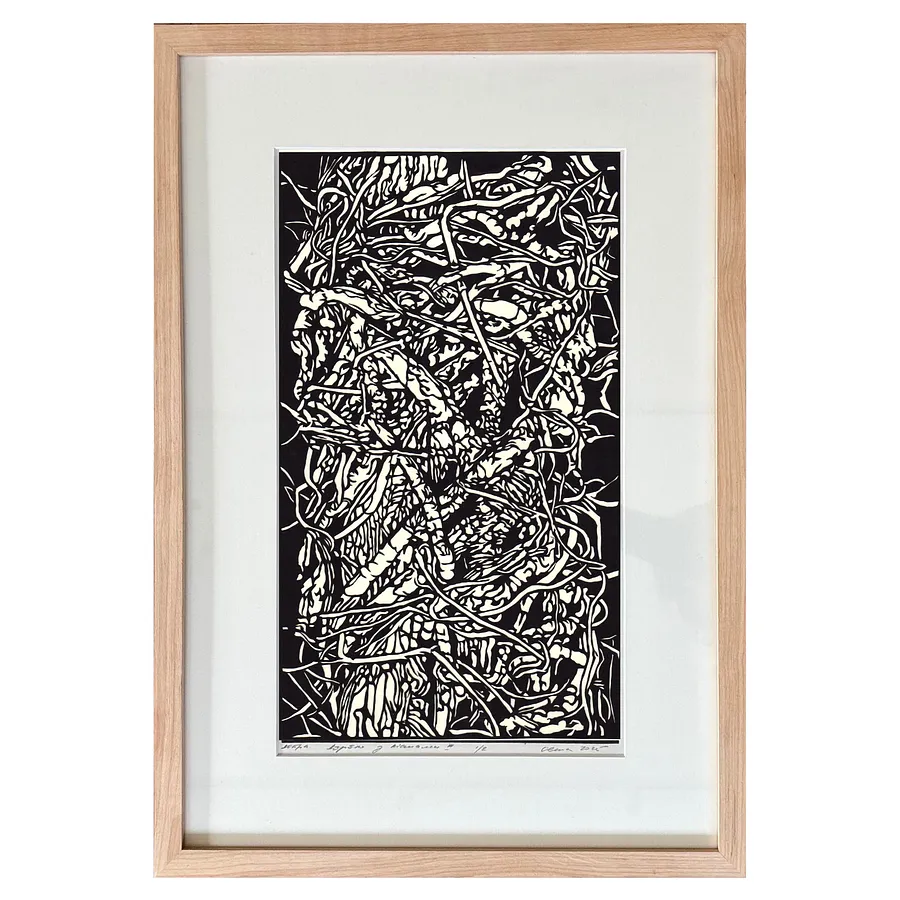
debra. derevo z lianamy II
Olena Turyanska
23,5 х 41 см
папір, витинання, аплікація
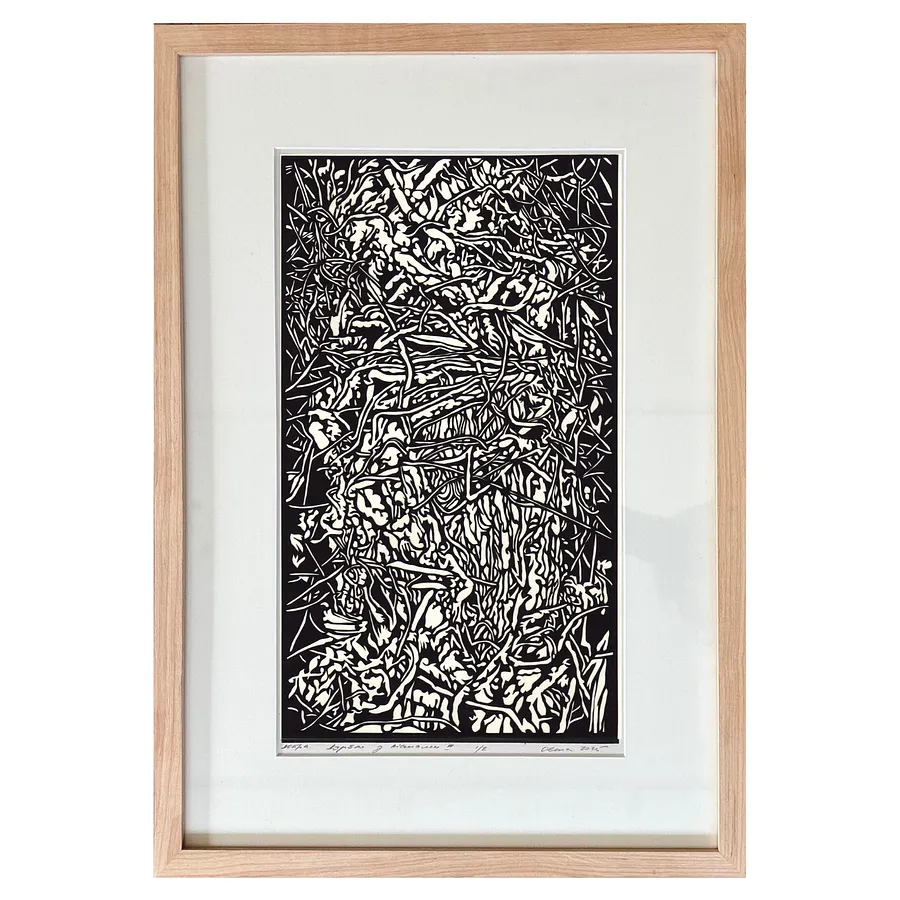
Debra. derevo z lianamy I
Olena Turyanska
23,5 х 41 см
папір, витинання, аплікація
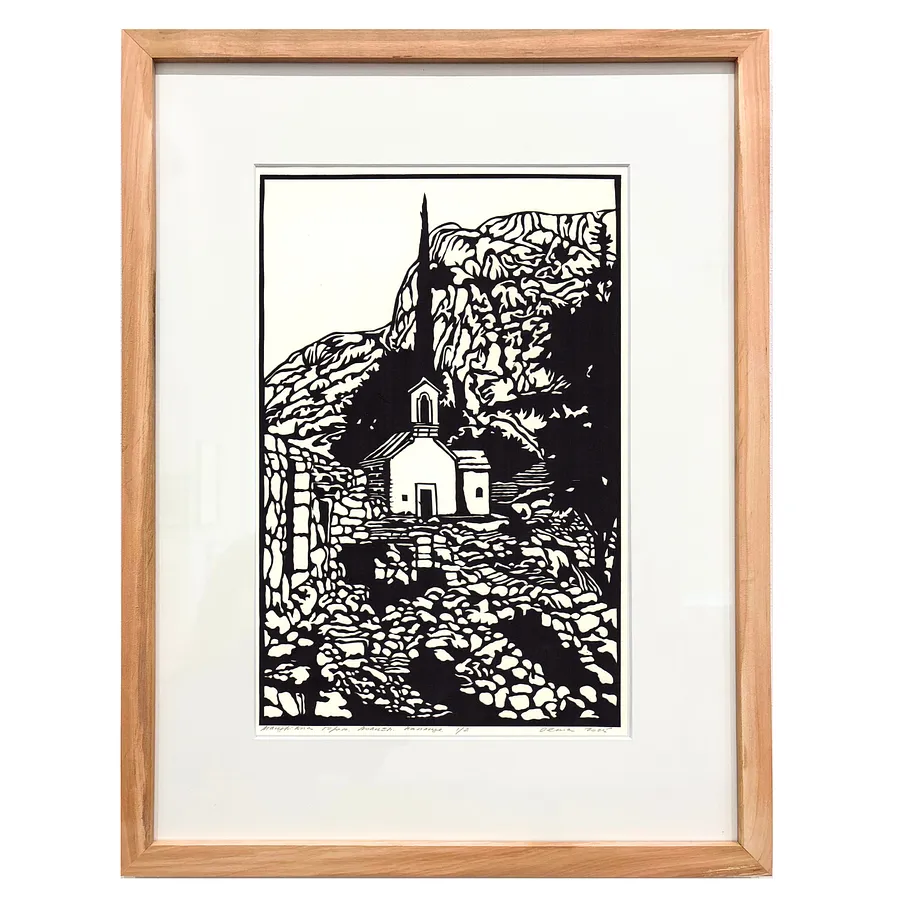
Mandrivka horoiu. Kaplytsia. Lovchen
Olena Turyanska
23,5 х 28,5 см
папір, витинання, аплікація
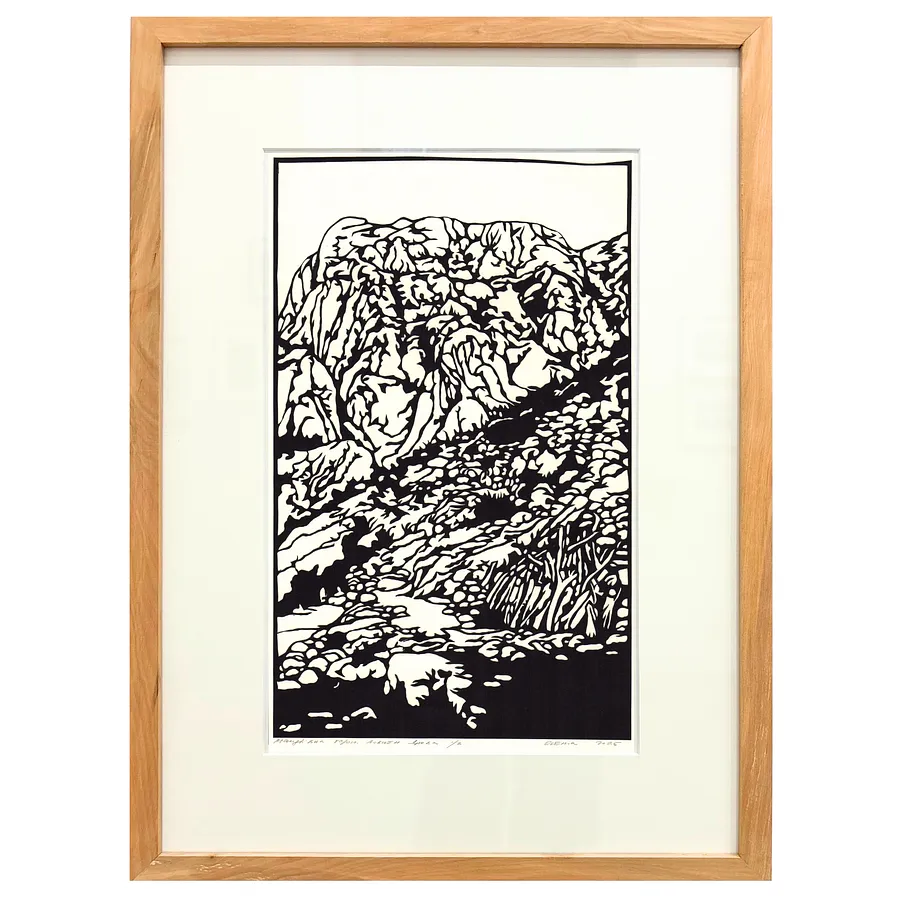
Mandrivka horoiu. drova. lovche
Olena Turyanska
23,5 х 28,5 см
папір, витинання, аплікація
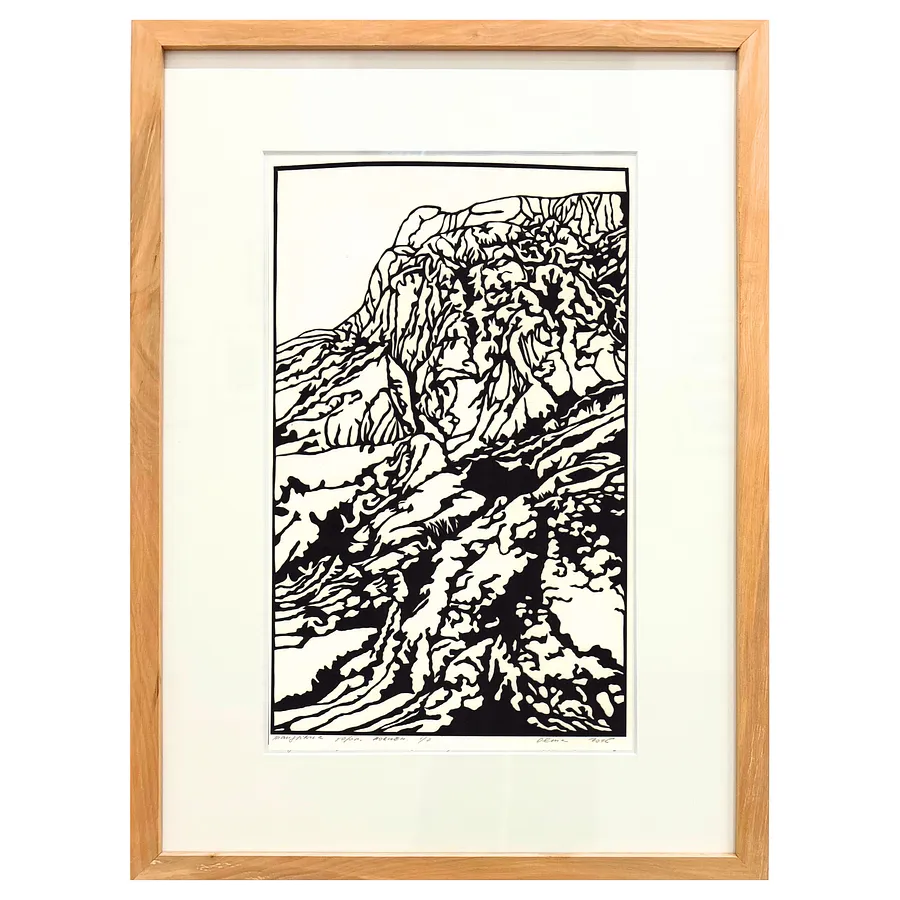
Mandrivka horoiu. Lovchen
Olena Turyanska
23.5 х 28,5 см
paper, cut-out, appliqué
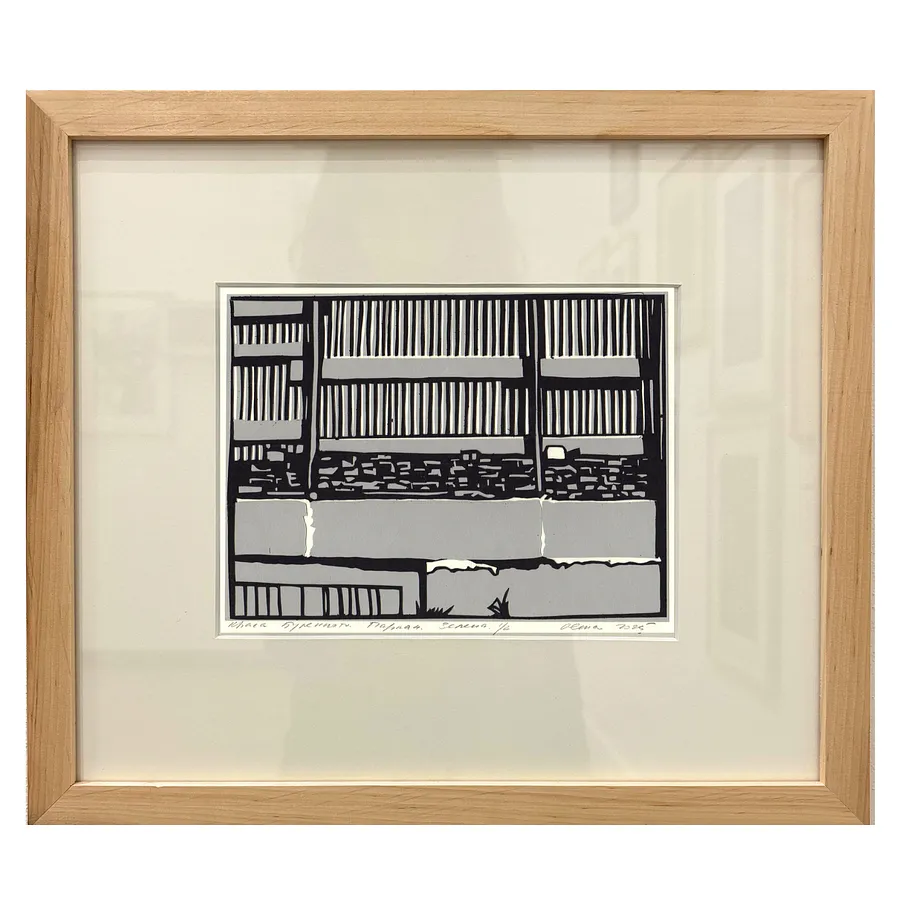
parkan. zelena
Olena Turyanska
15 х 20 см
папір, витинання, аплікація
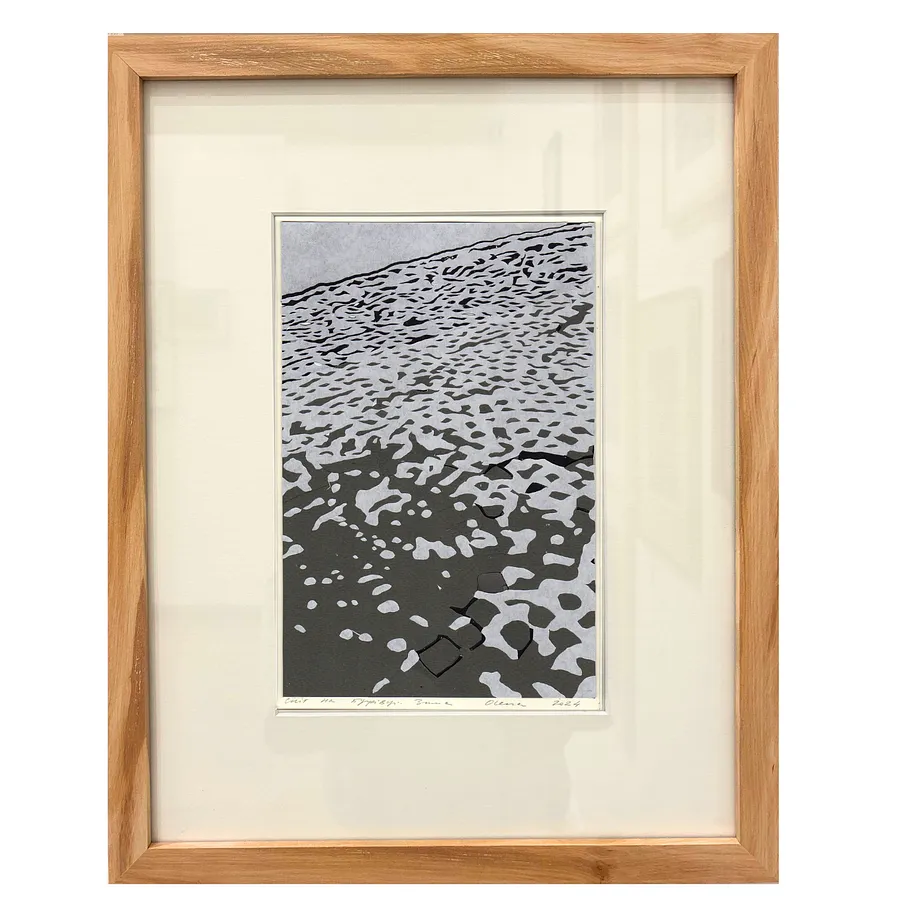
snow on the cobblestone
Olena Turyanska
16 х 24,5 см
paper, cutting, appliqué
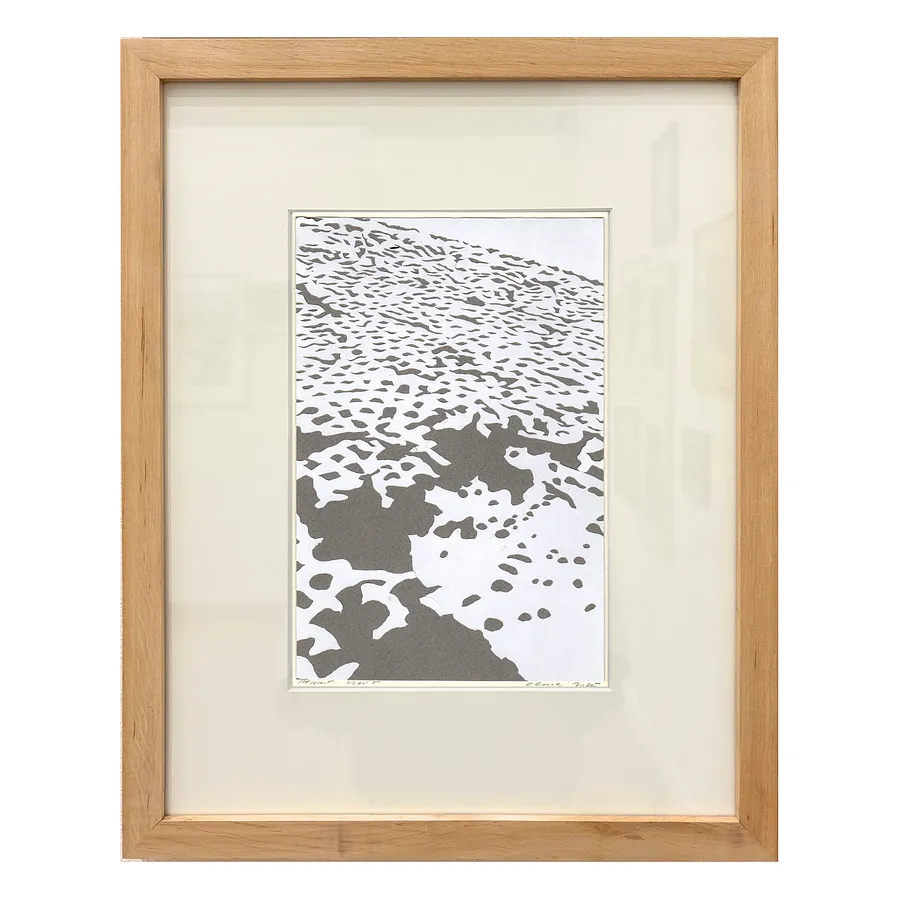
the first snow
Olena Turyanska
16 х 23,5 см
paper, cutting, appliqué
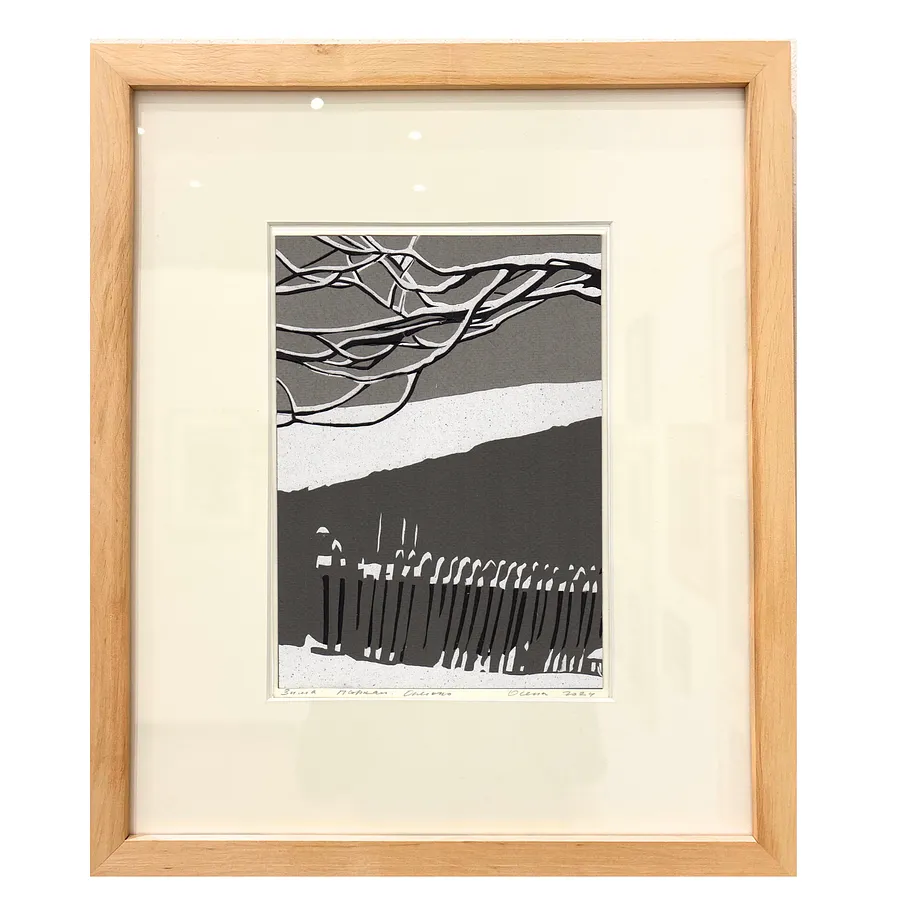
Winter. Fence. Olesko
Olena Turyanska
15.5 х 21.5 см
папір, витинання, аплікація
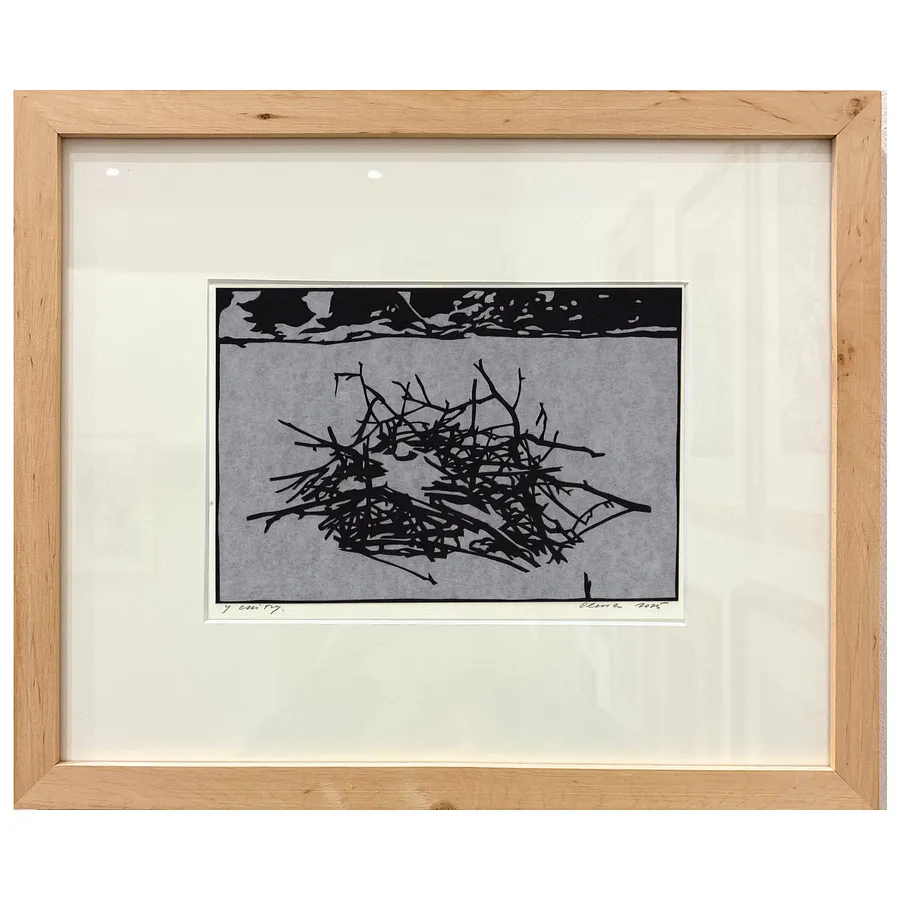
in the snow
Olena Turyanska
14 х 21 см
paper, cutting, appliqué
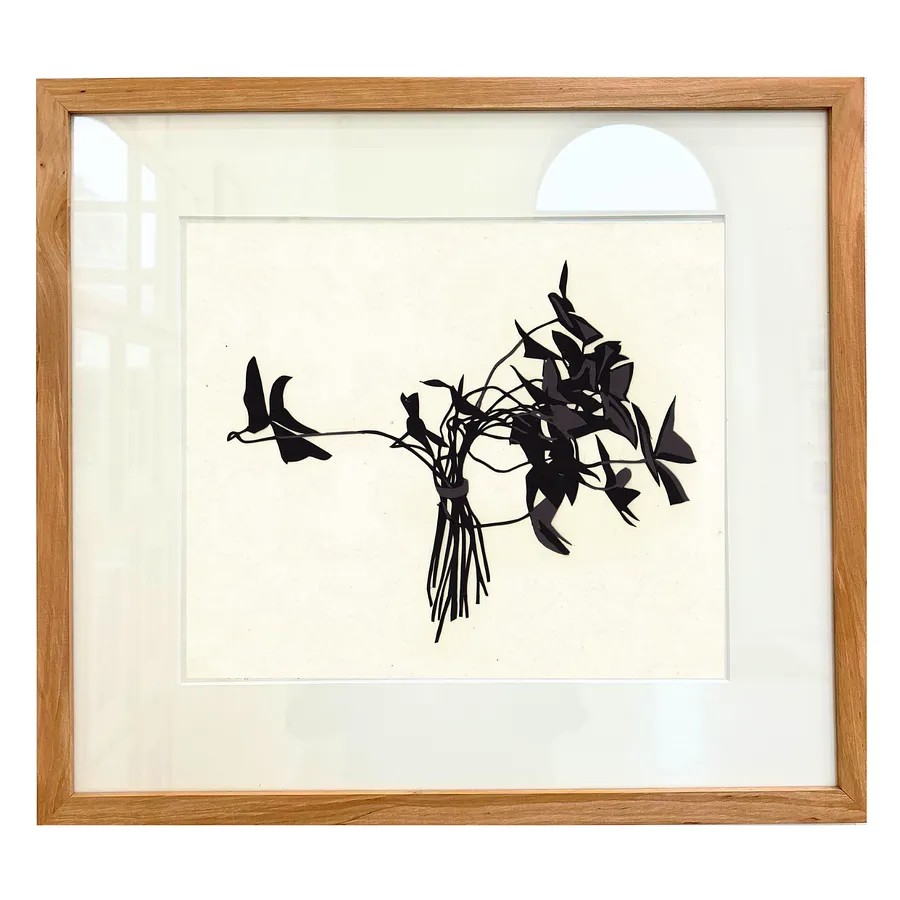
kyslytsia
Olena Turyanska
29 х 32 см
папір, витинання, аплікація
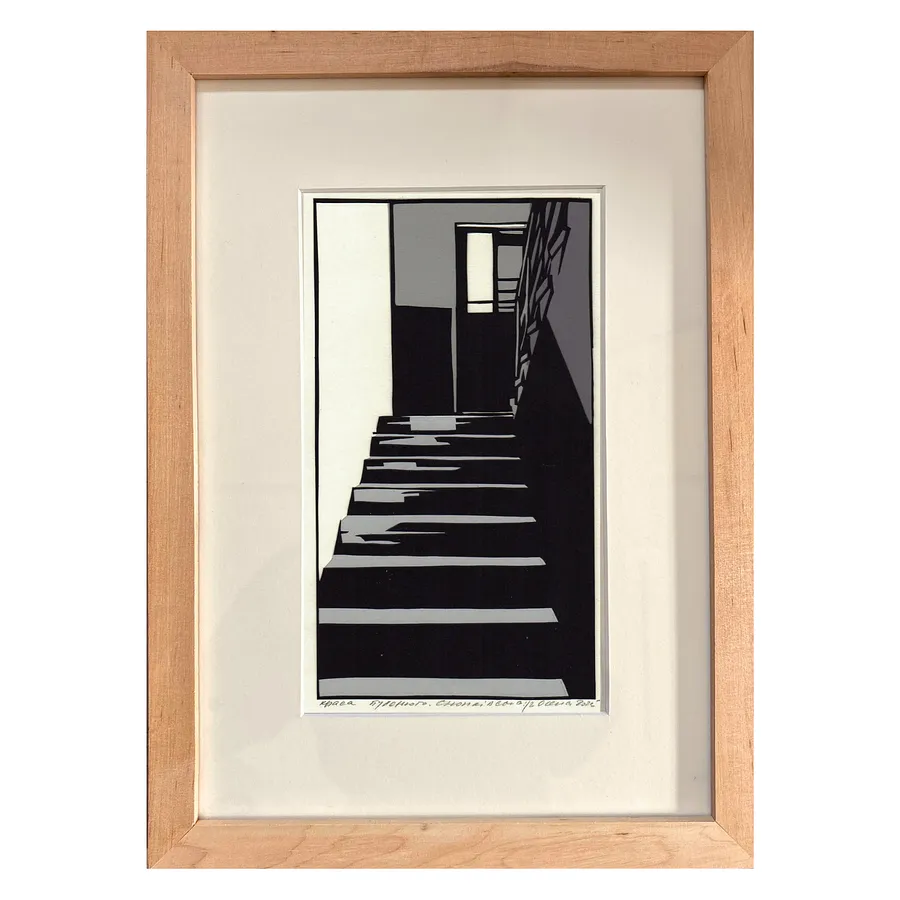
Brama. Snopkivska
Olena Turyanska
12 х 22 см
папір, витинання, аплікація
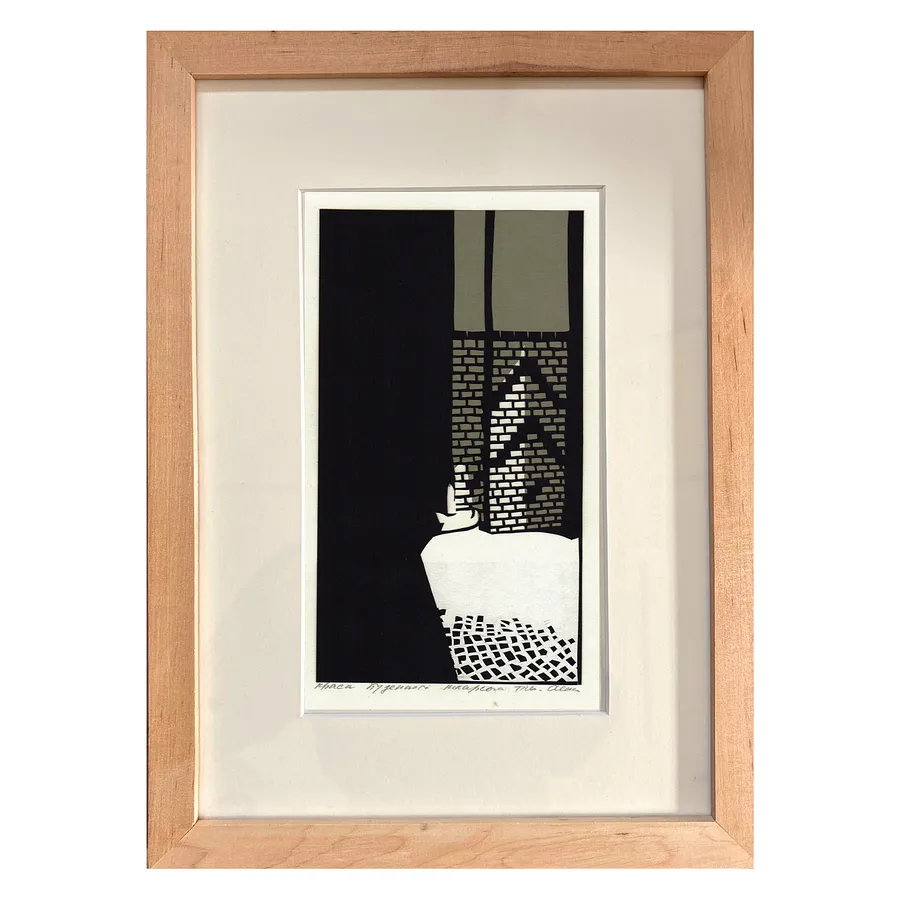
Brama. Tin'. Pekarska
Olena Turyanska
12 х 21 см
папір, витинання, аплікація
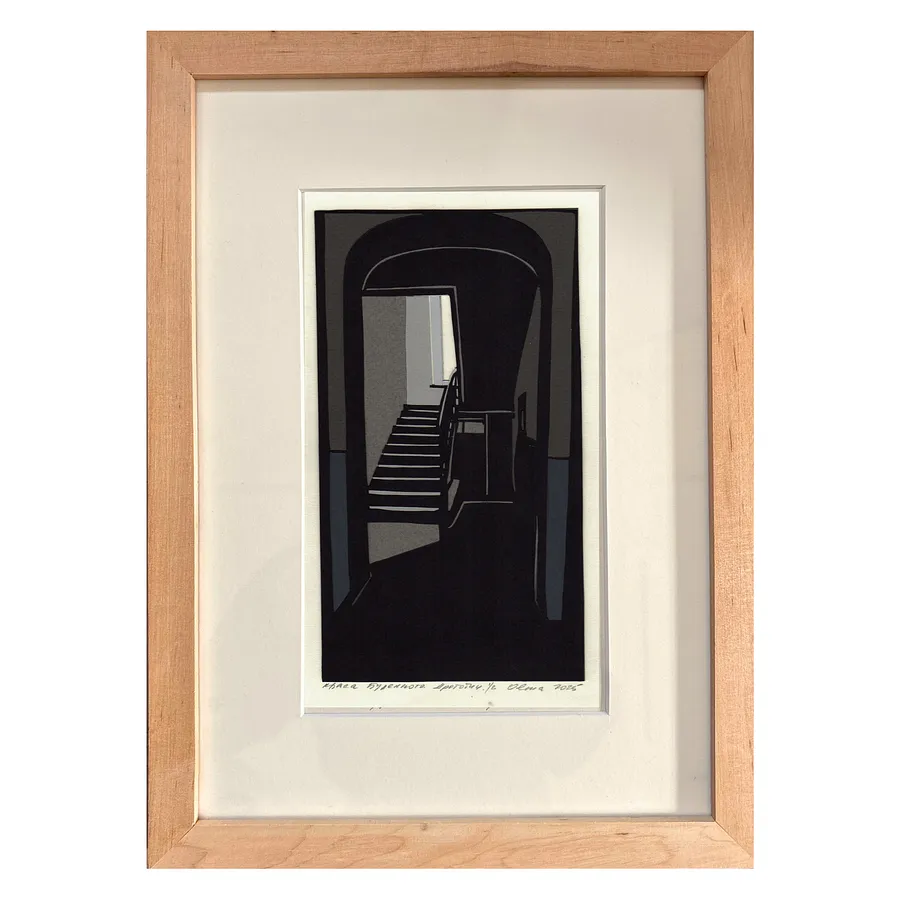
Brama. Drohobych
Olena Turyanska
12 х 21,5 см
папір, витинання, аплікація
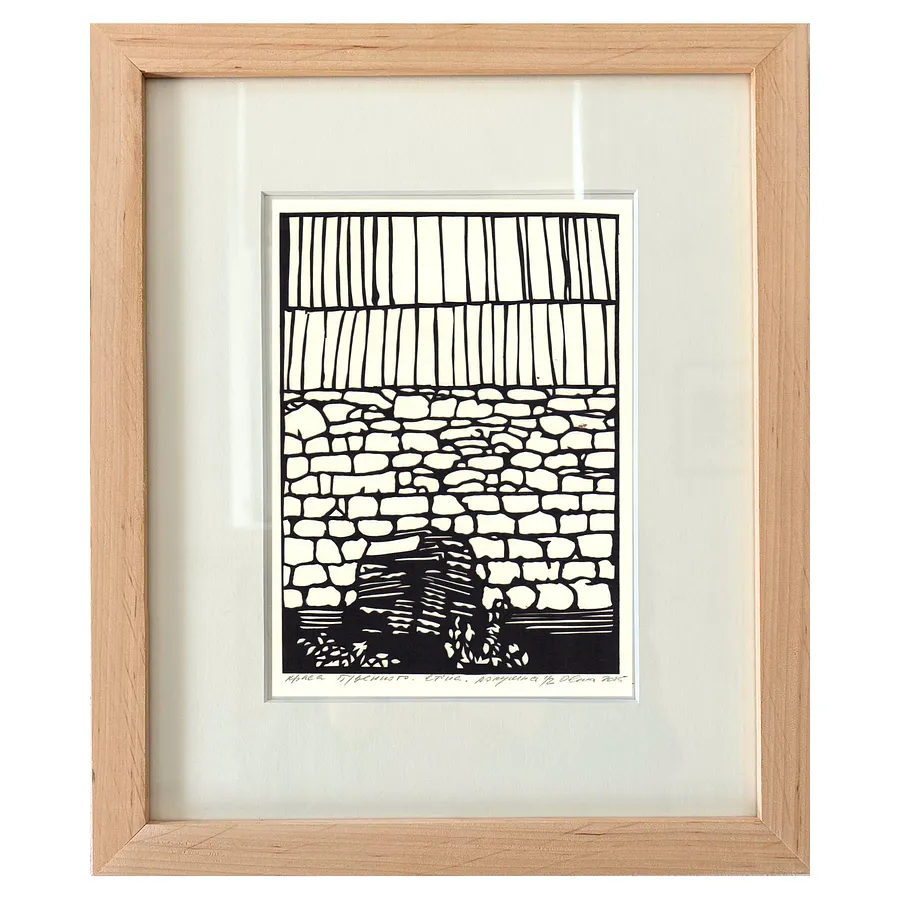
stina. lopushna
Olena Turyanska
13 х 18 см
папір, витинання, аплікація
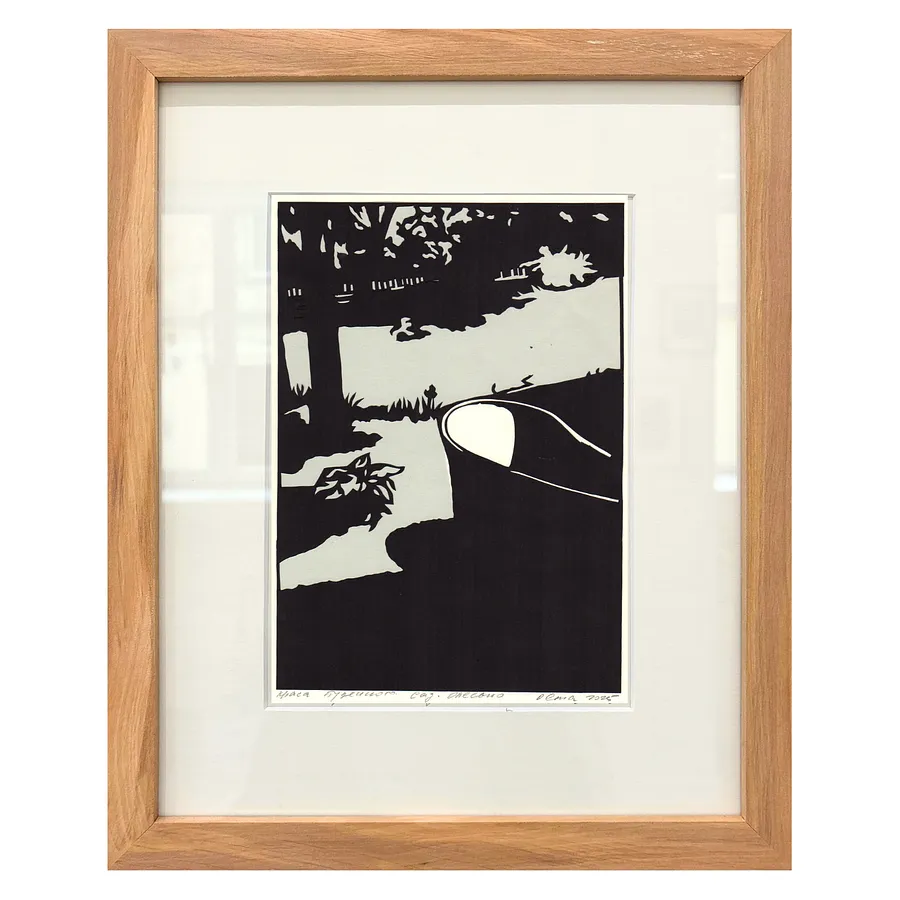
sad. Olesko
Olena Turyanska
14 х 20 см
папір, витинання, аплікація
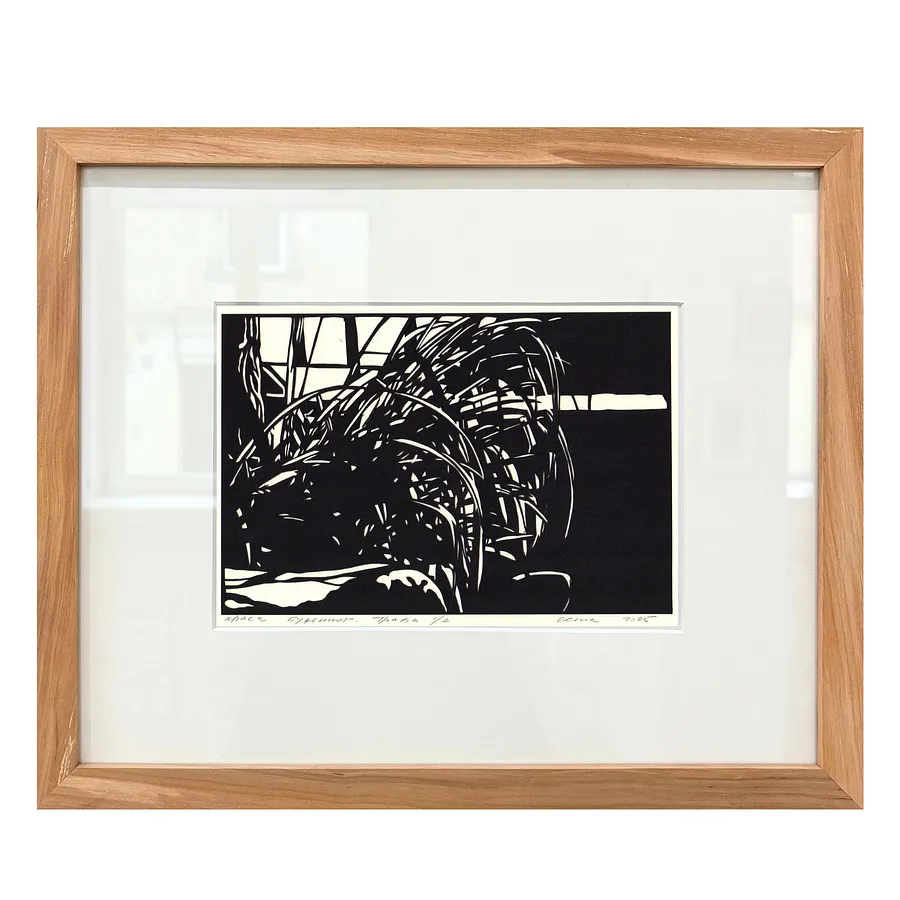
trava
Olena Turyanska
14,5 х 22 см
папір, витинання, аплікація
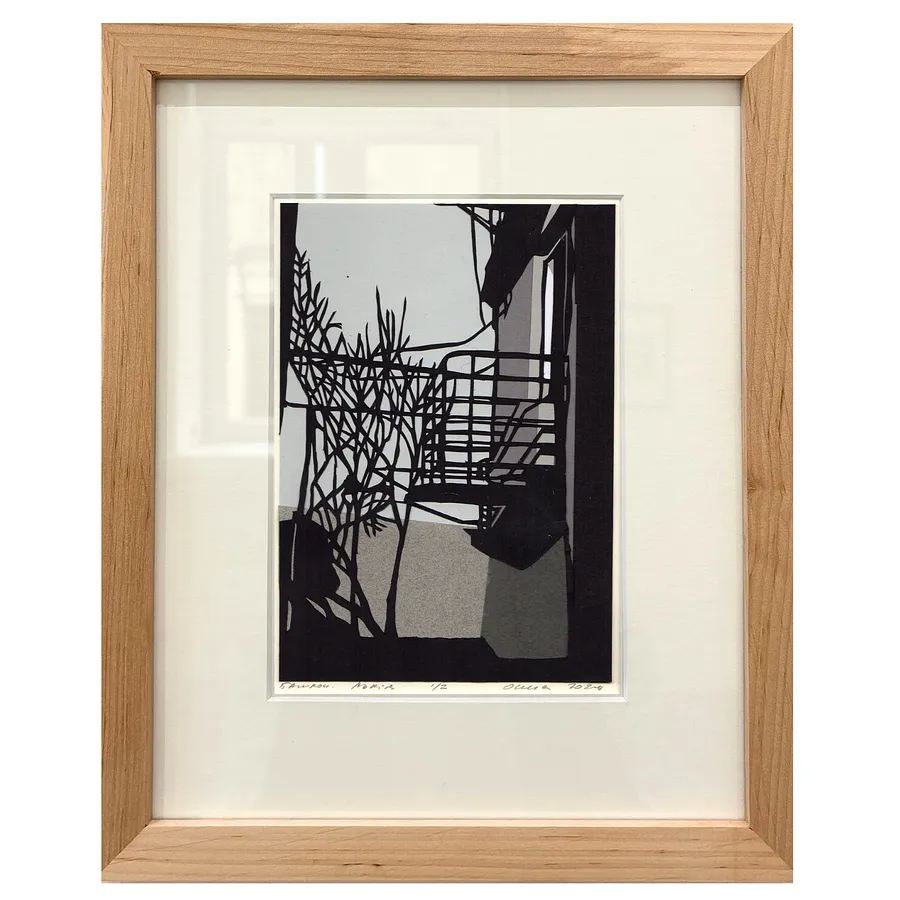
balkon. lviv
Olena Turyanska
12,5 х 18 см
папір, витинання, аплікація
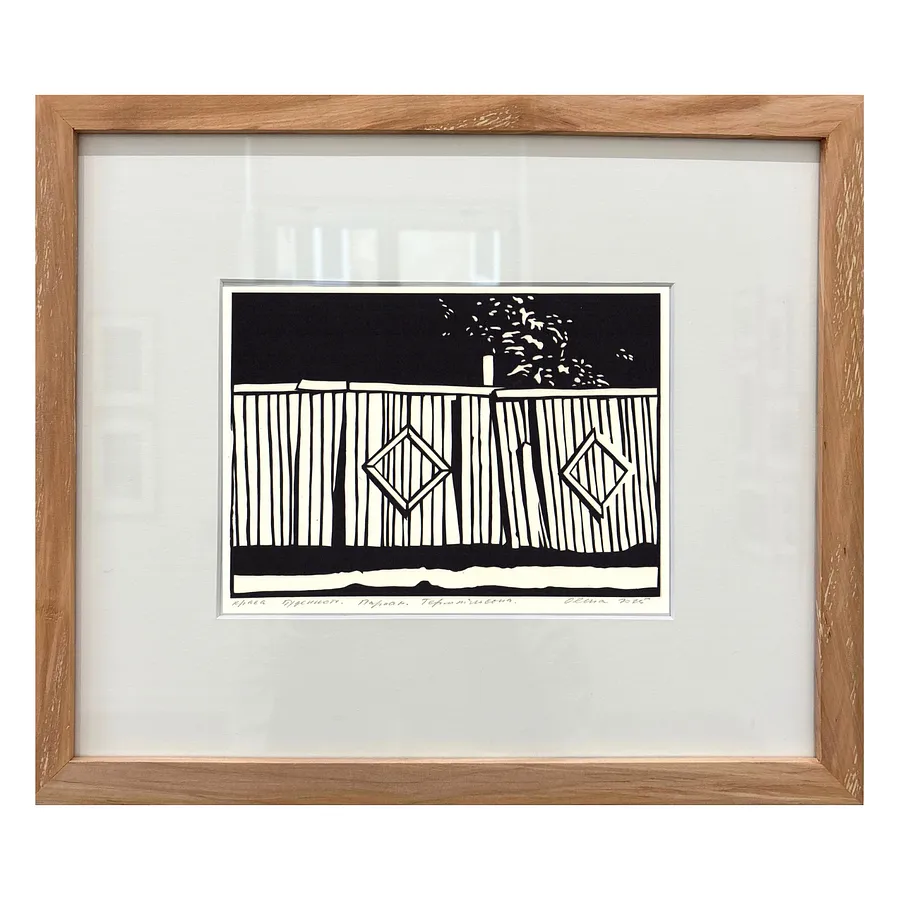
Parkan. ternopilska. LVIV
Olena Turyanska
14 х 20 см
папір, витинання, аплікація
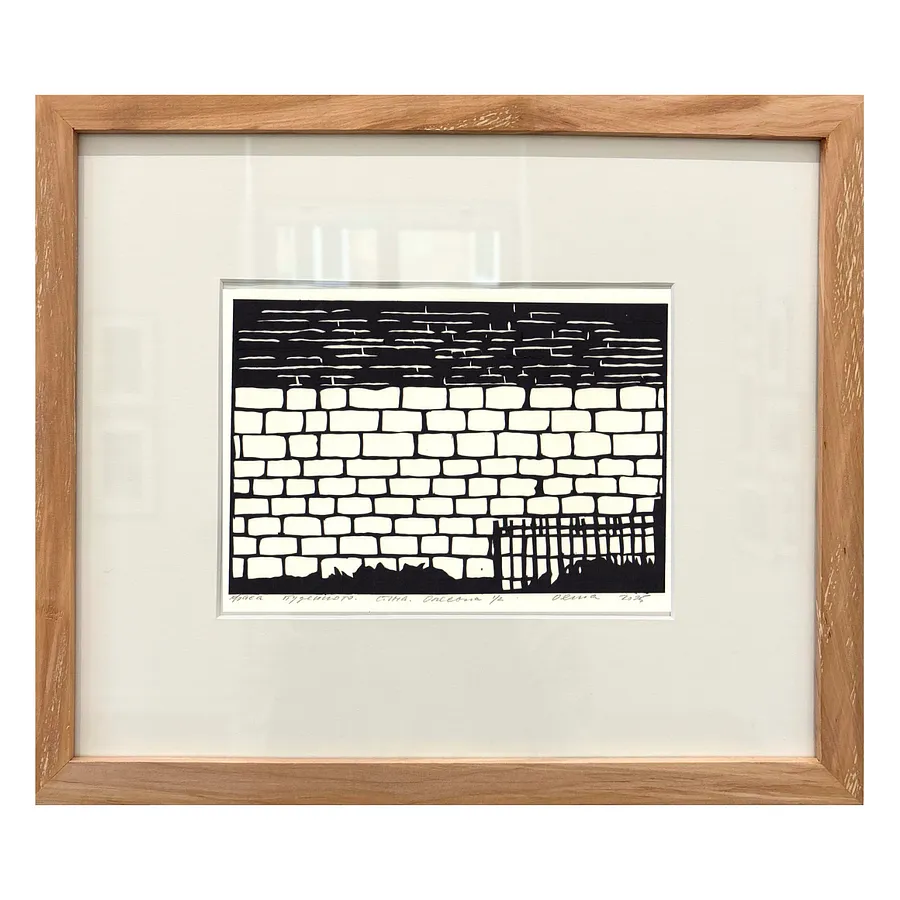
stina. Olesko
Olena Turyanska
14 х 20 см
папір, витинання, аплікація
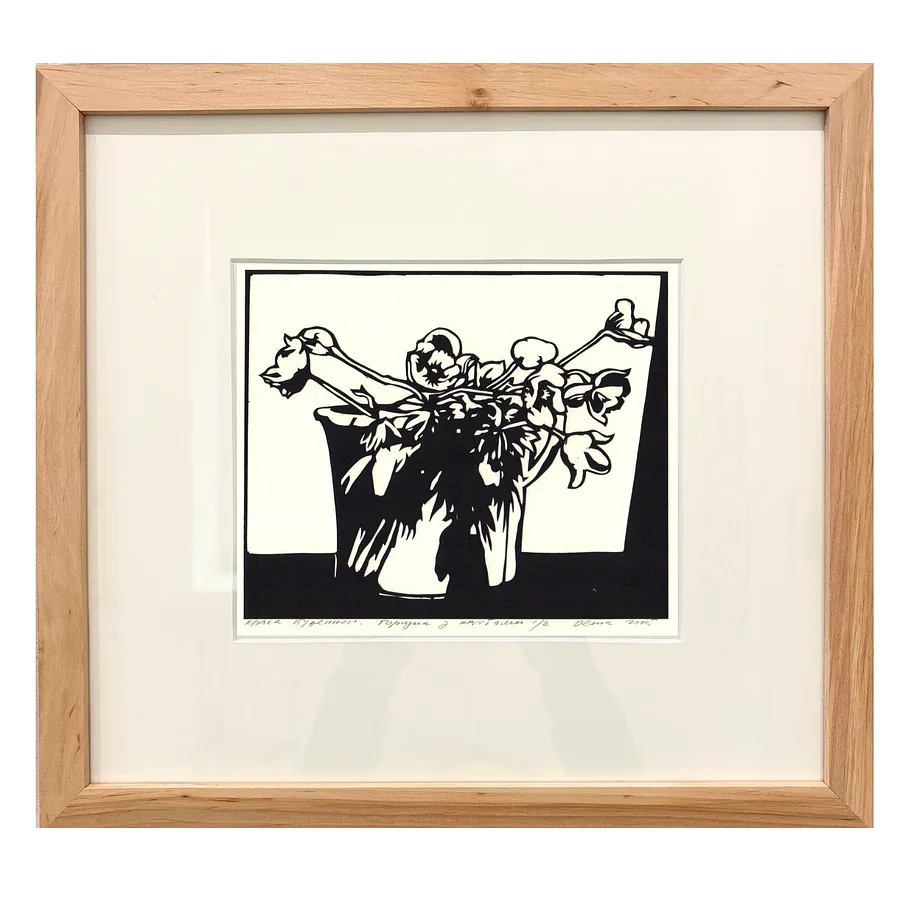
horshchyk z kvitamy
Olena Turyanska
16 х 19,5 см
папір, витинання, аплікація
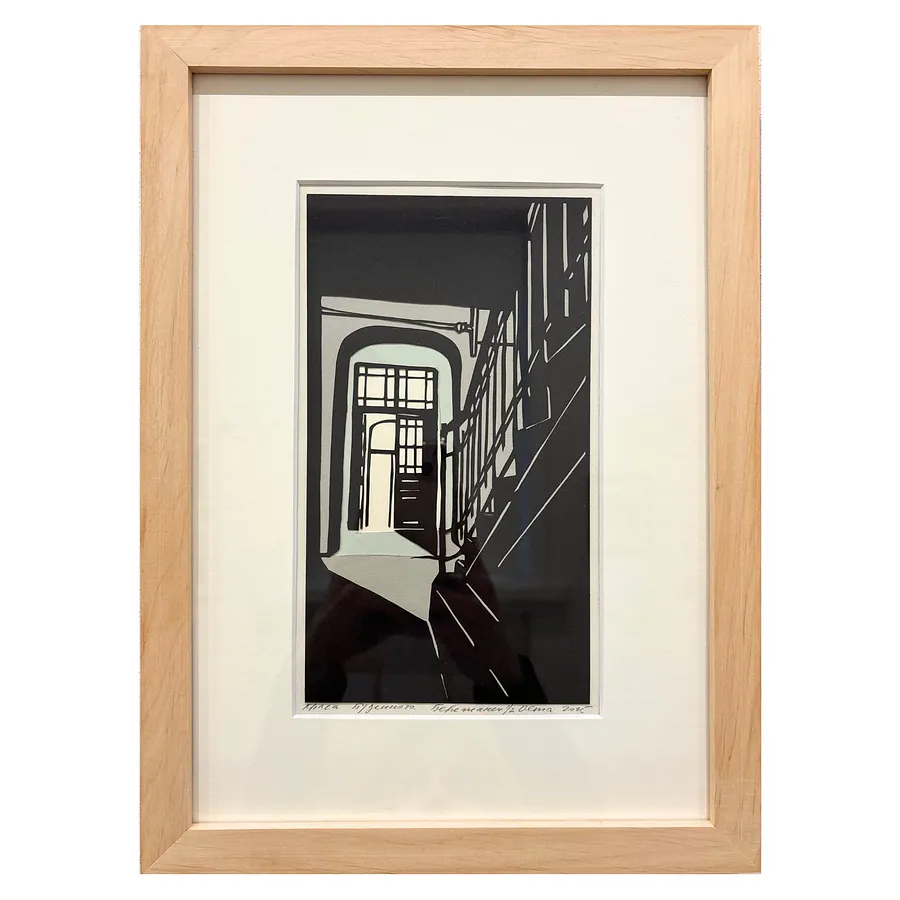
Brama. Berezhany
Olena Turyanska
12 х 21,5 см
папір, витинання, аплікація
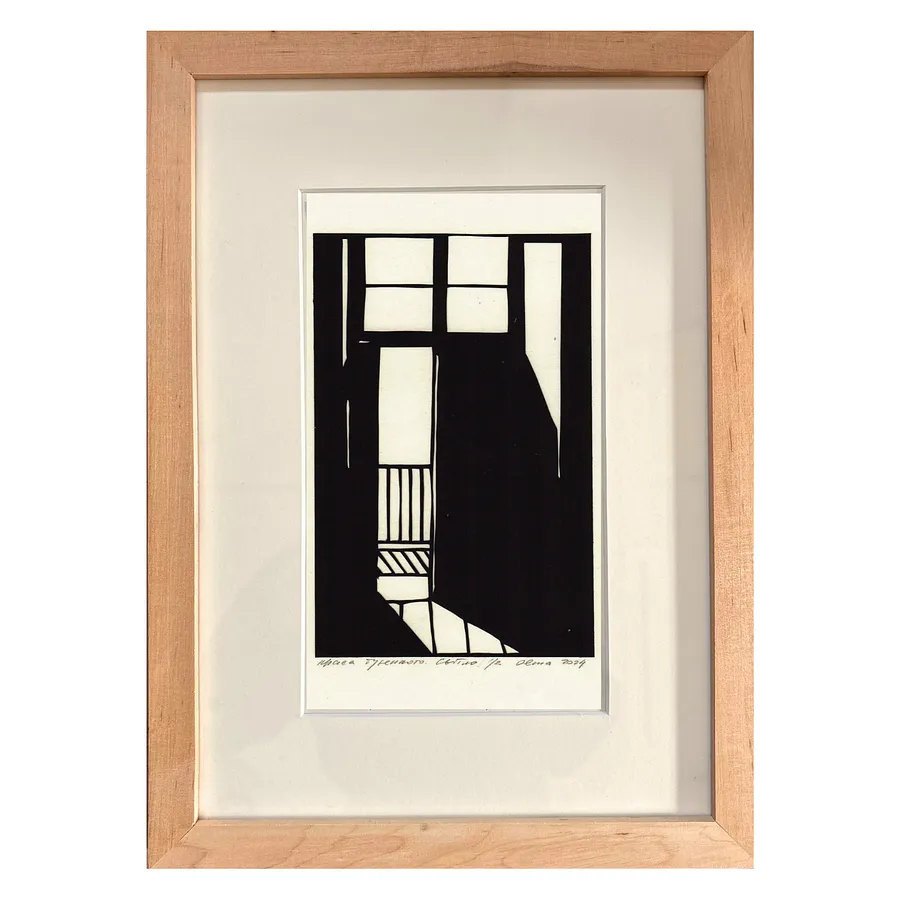
svitlo
Olena Turyanska
12,5 х 18,5 см
папір, витинання, аплікація
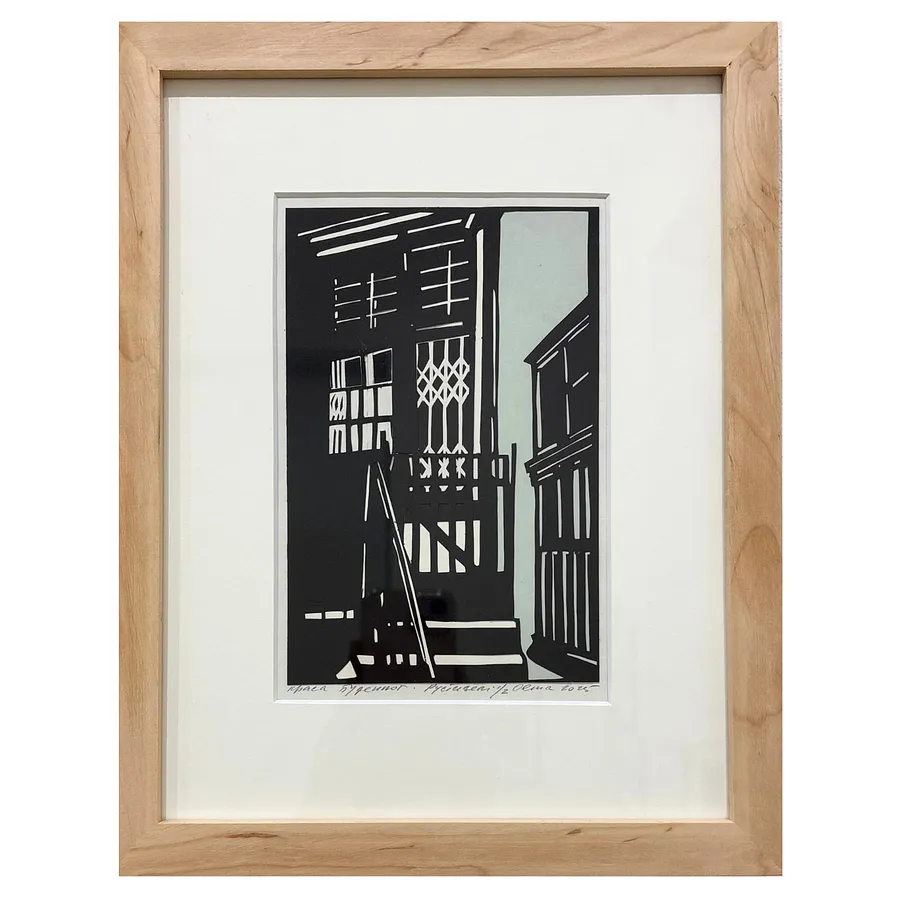
dvoryk. rustaveli. Lviv
Olena Turyanska
12 х 18,5 см
папір, витинання, аплікація
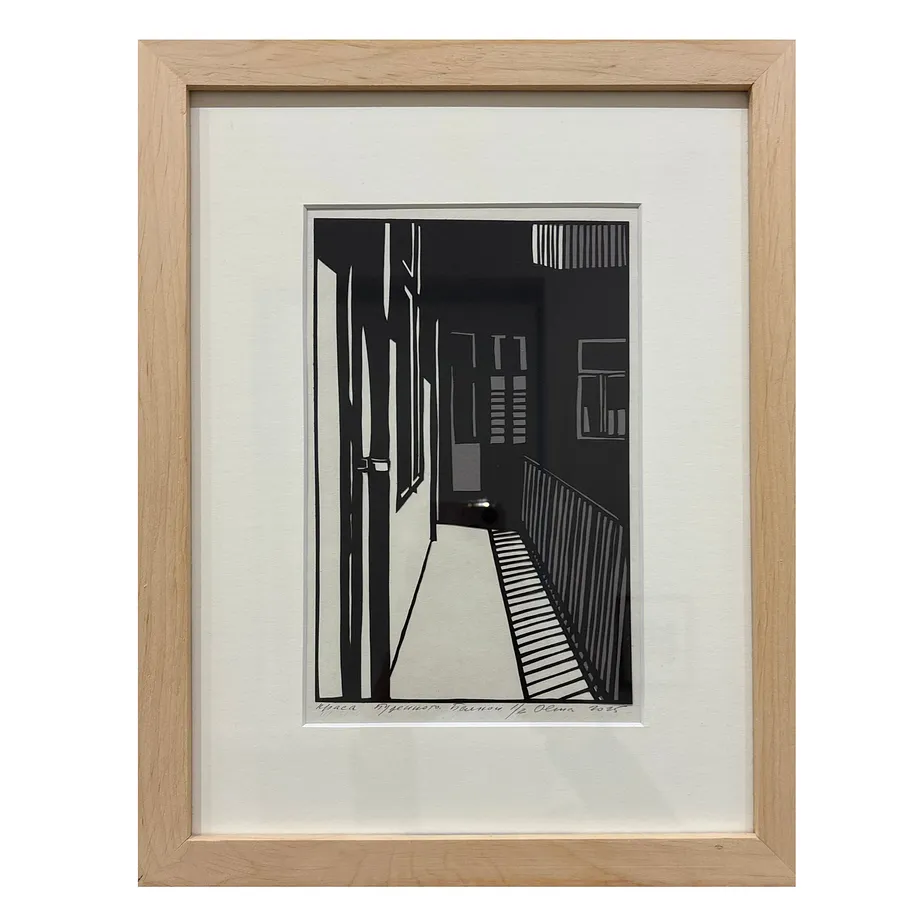
balkon
Olena Turyanska
13 х 19,5 cм
папір, витинання, аплікація
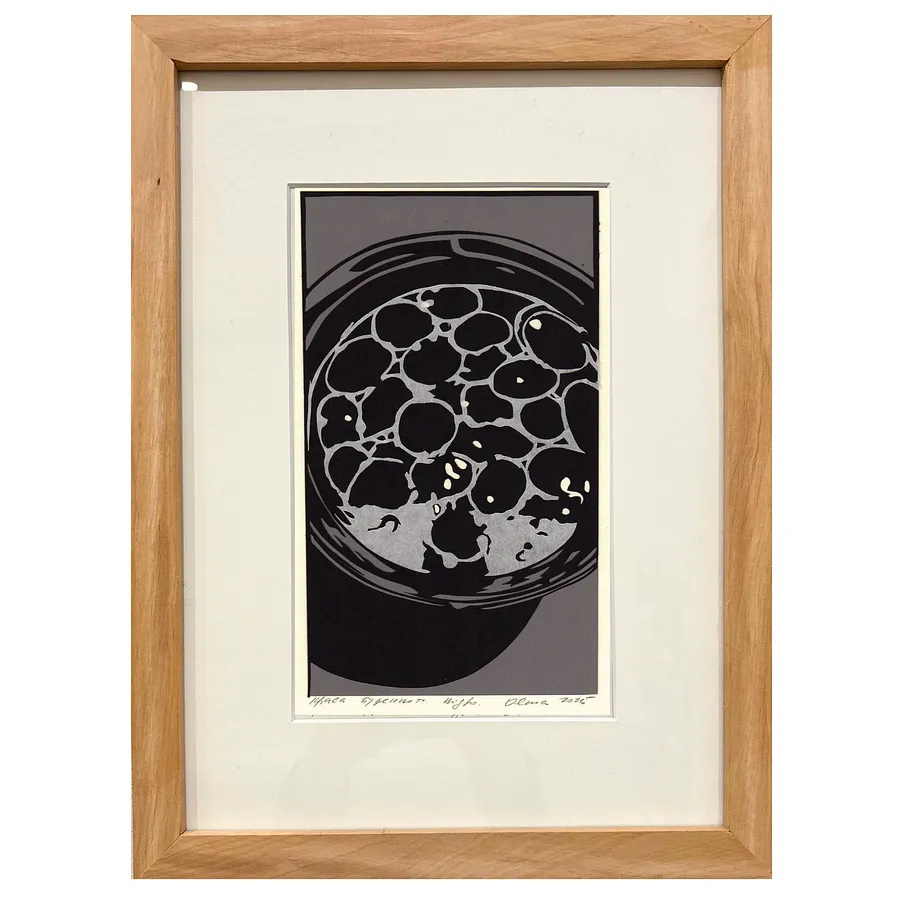
Vidro z doshchivkoiu
Olena Turyanska
12 х 21 см
папір, витинання, аплікація
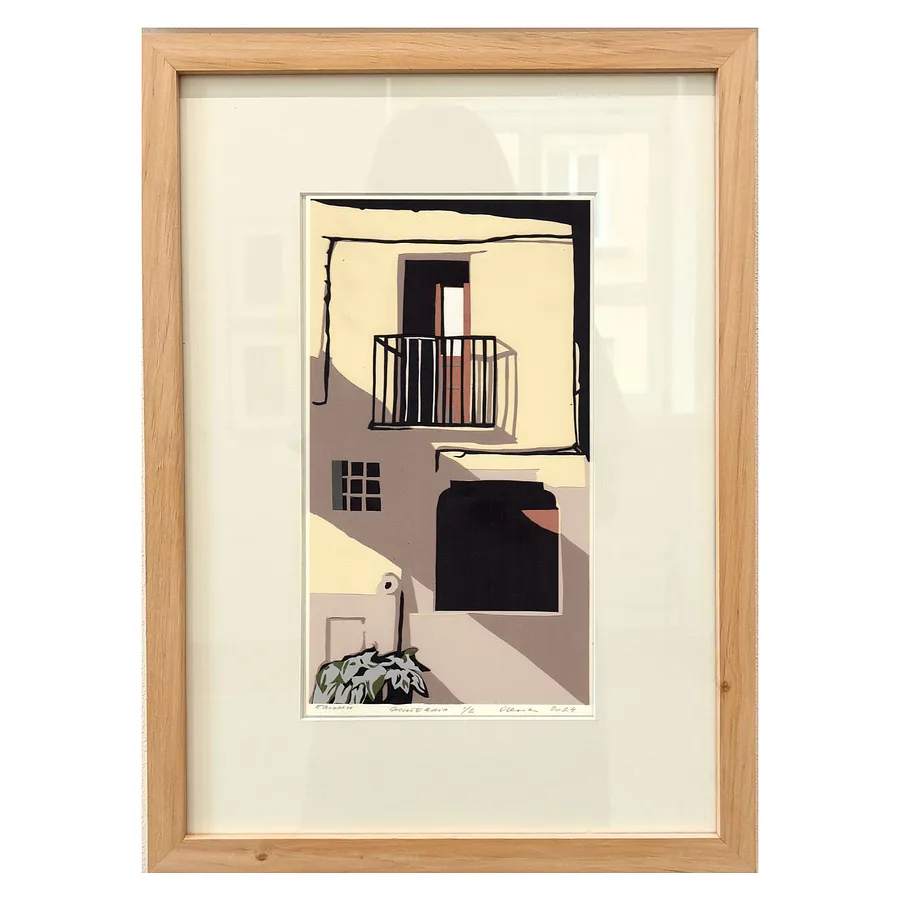
Balkon. Fontekkio
Olena Turyanska
19 х 26,5 см
папір, витинання, аплікація
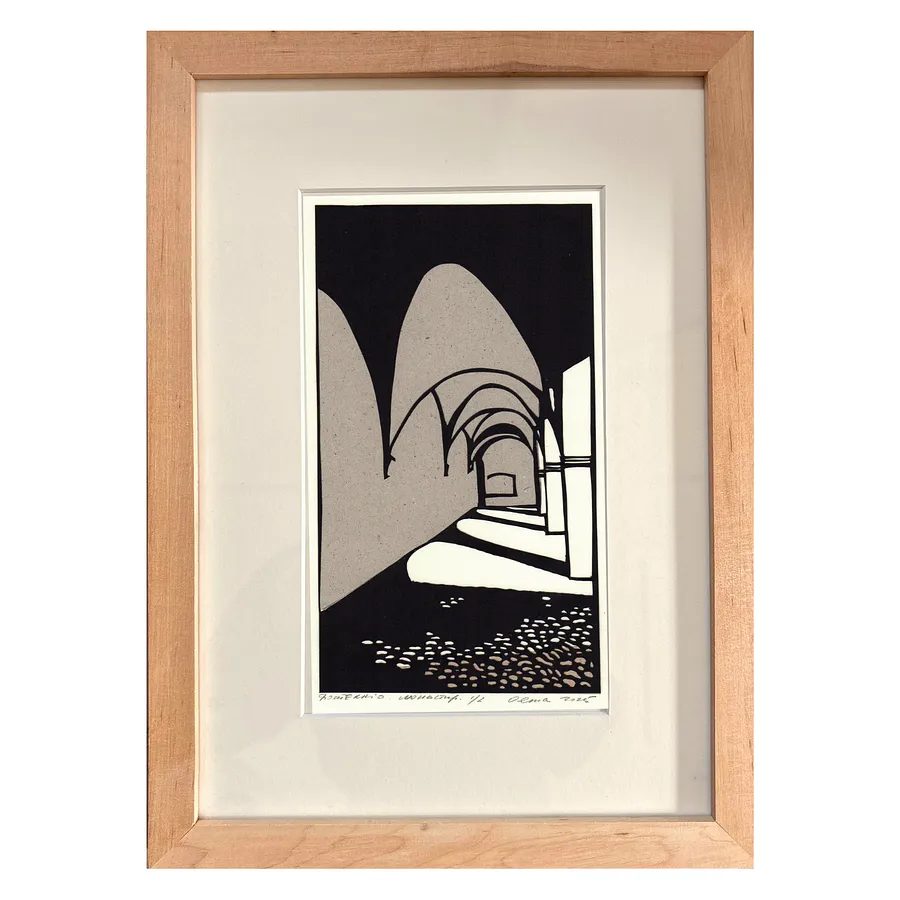
Monastyr. Fontekkio
Olena Turyanska
12.5 х 21.5
папір, витинання, аплікація
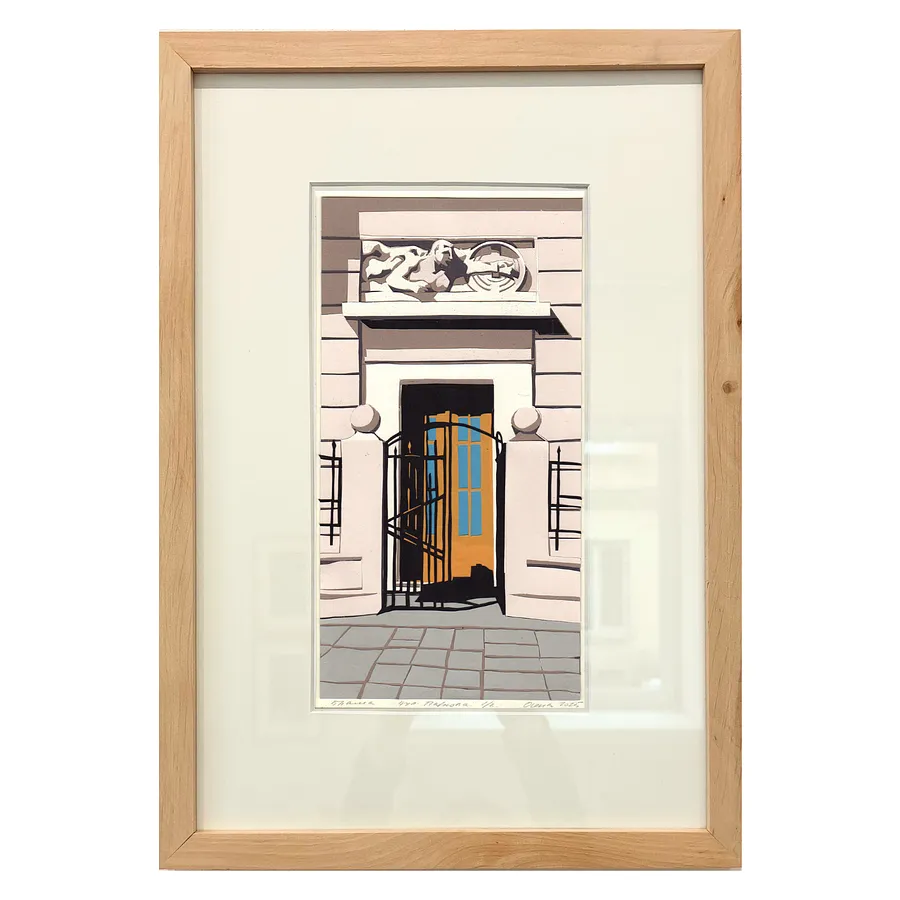
brama. vulytsia parkova
Olena Turyanska
15 х 28,5 см
папір, витинання, аплікація
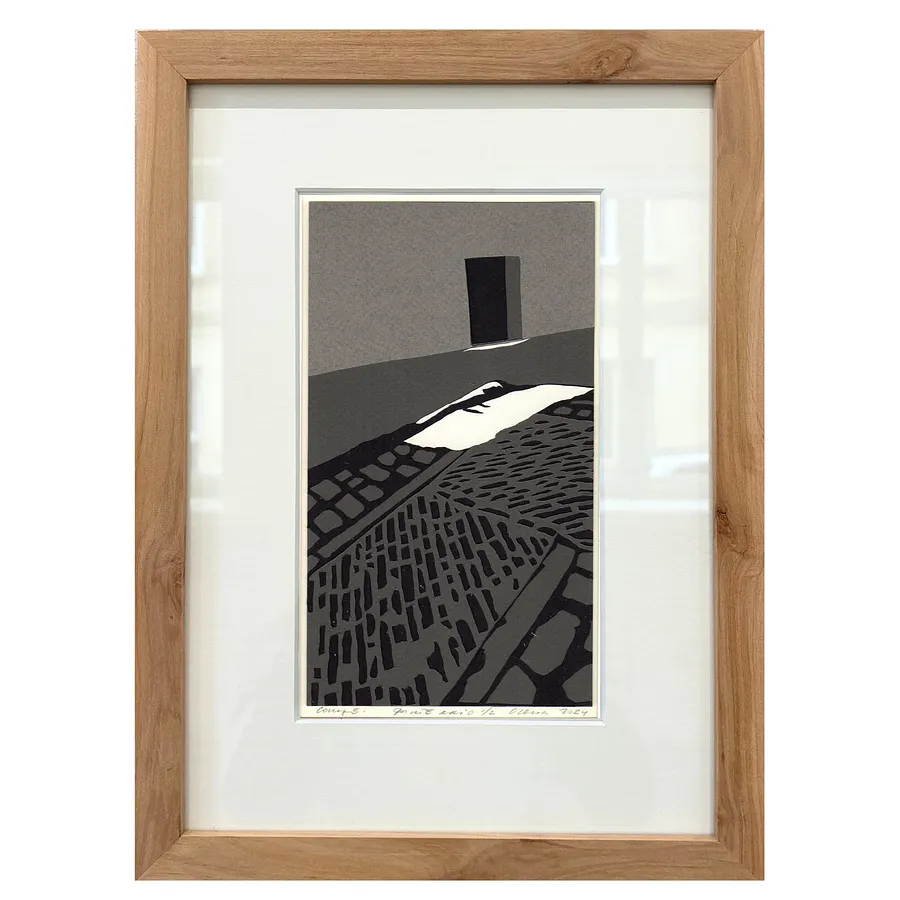
Sontse. Fontekkio
Olena Turyanska
12 х 21 см
папір, витинання, аплікація
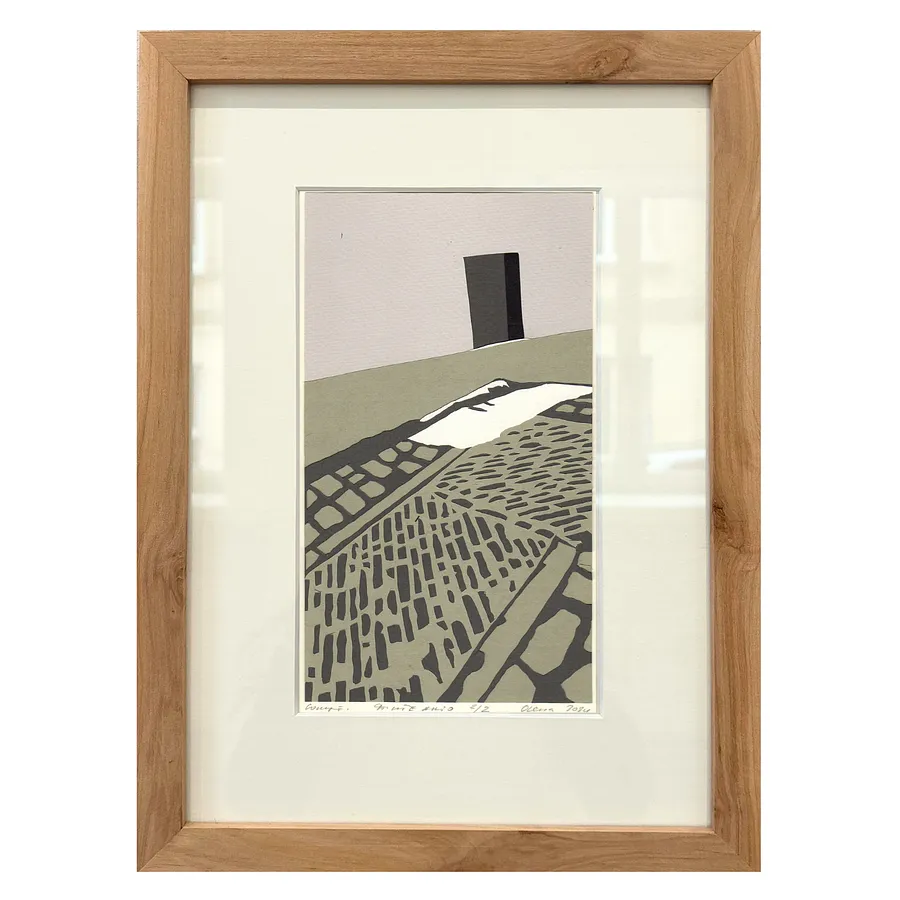
Sontse. Fontekkio
Olena Turyanska
12 х 21 см
папір, витинання, аплікація
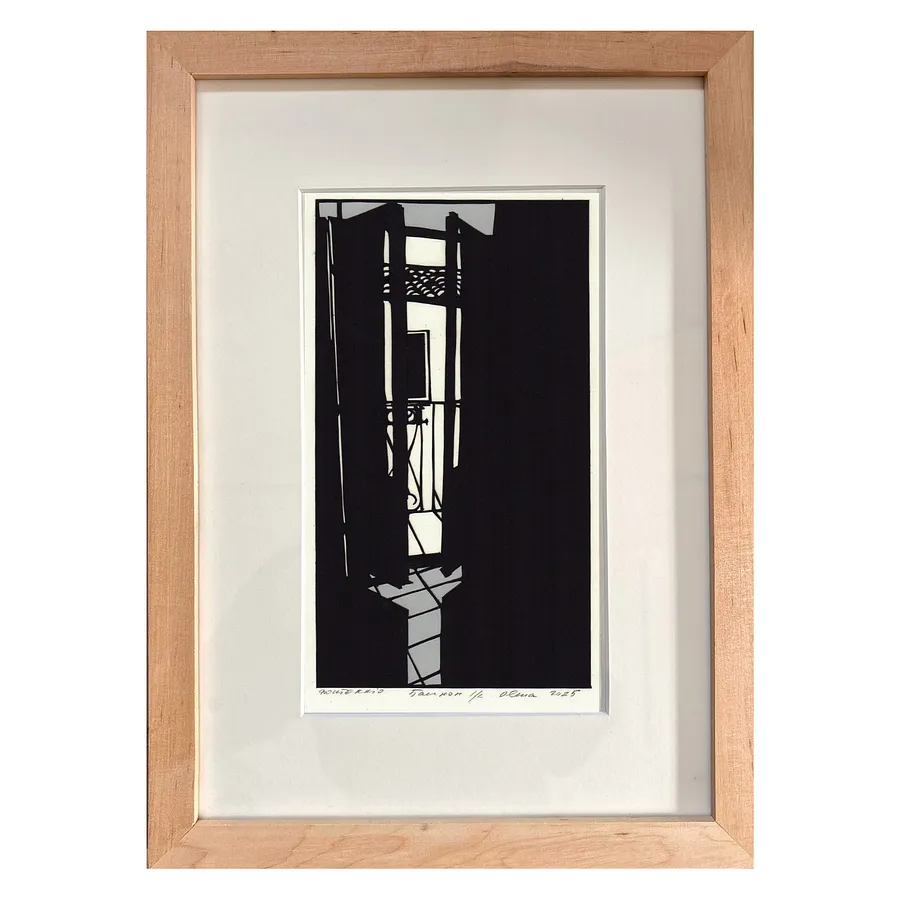
Balkon. Fontekkio
Olena Turyanska
22 х 35 см
папір, витинання, аплікація
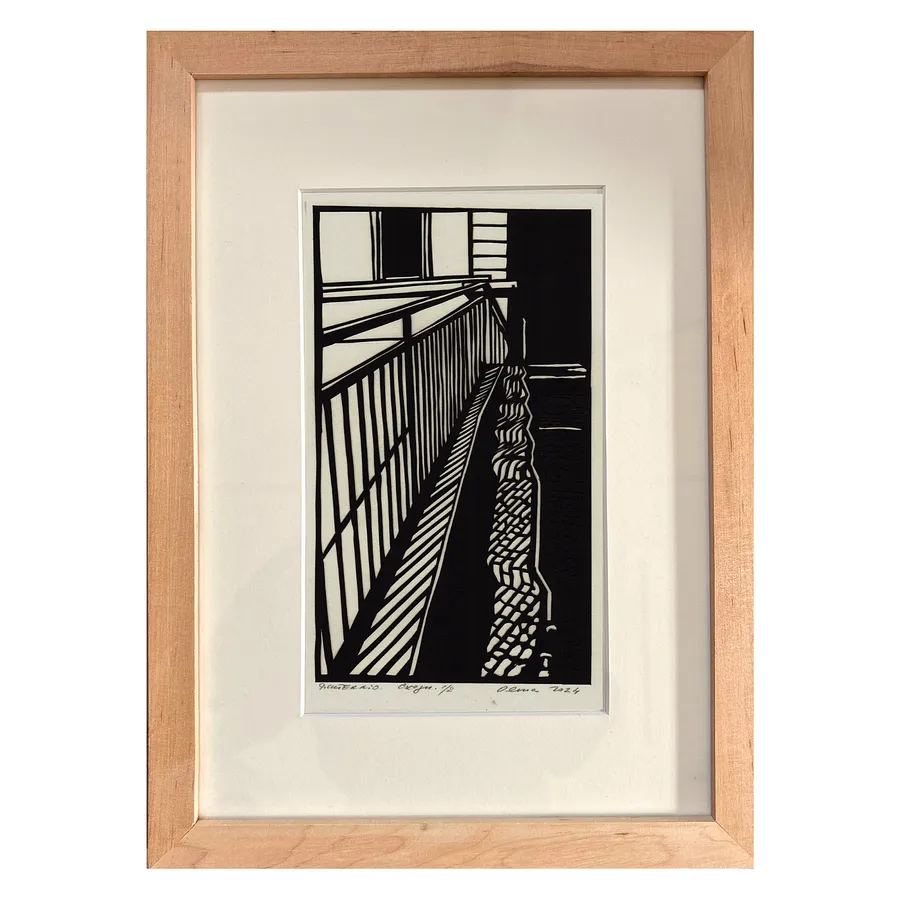
Skhody. Fontekkio
Olena Turyanska
13 х 22 см
папір, витинання, аплікація
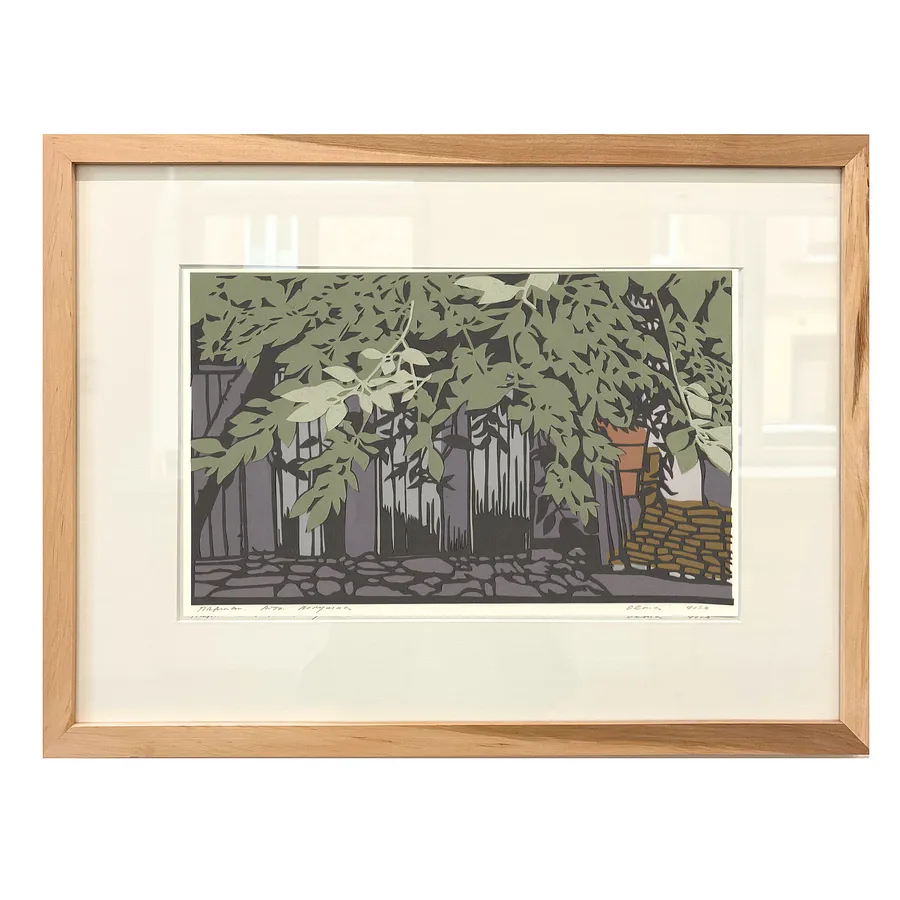
Parkan. Lito. Lopushna
Olena Turyanska
22 х 35
папір, витинання, аплікація
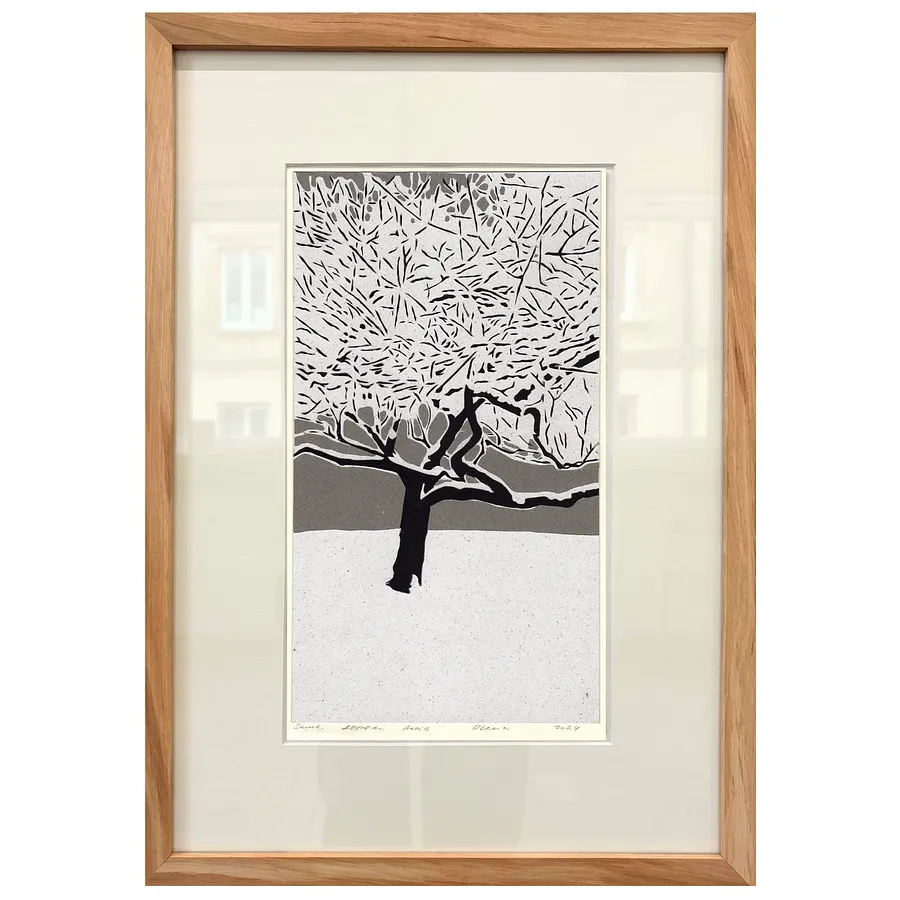
Zyma. Derevo. Lviv
Olena Turyanska
18.5 х 33 см
папір, витинання, аплікація
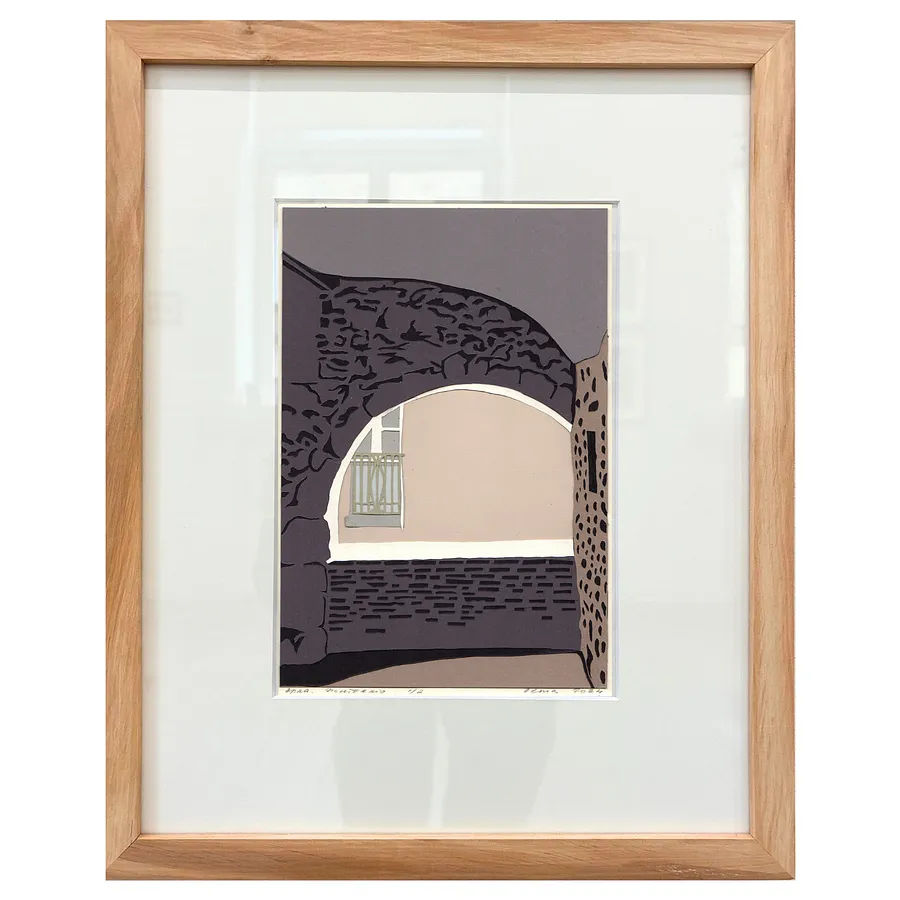
Arka. Fontekkio
Olena Turyanska
16 х 23.5
папір, витинання, аплікація
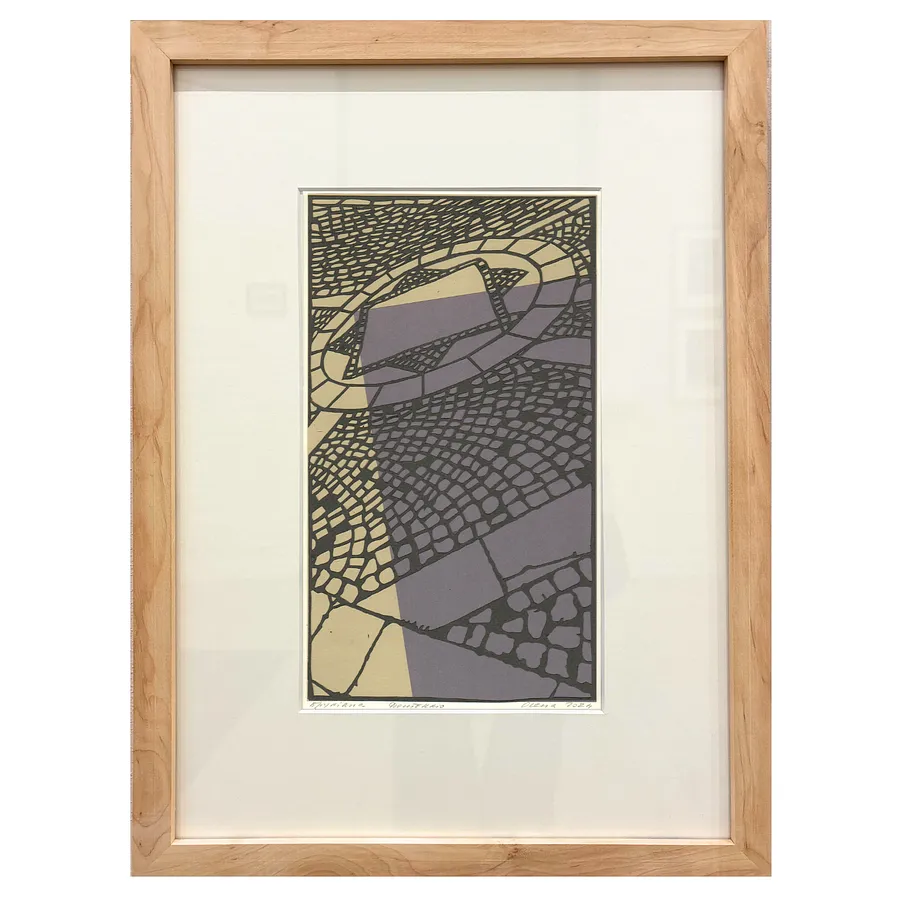
brukivka. fontekkio
Olena Turyanska
14.5 х 26 см
папір, витинання, аплікація
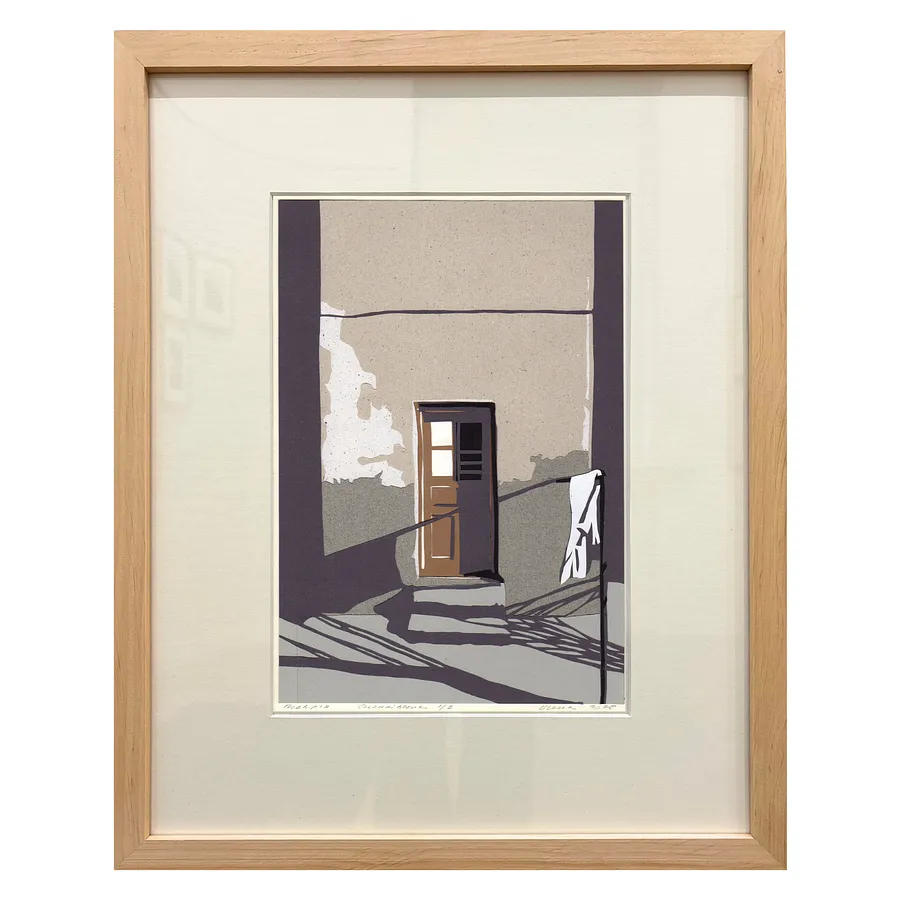
Podvir'ia. Vulytsia Snopkivska
Olena Turyanska
18.5 х 27 см
папір, витинання, аплікація
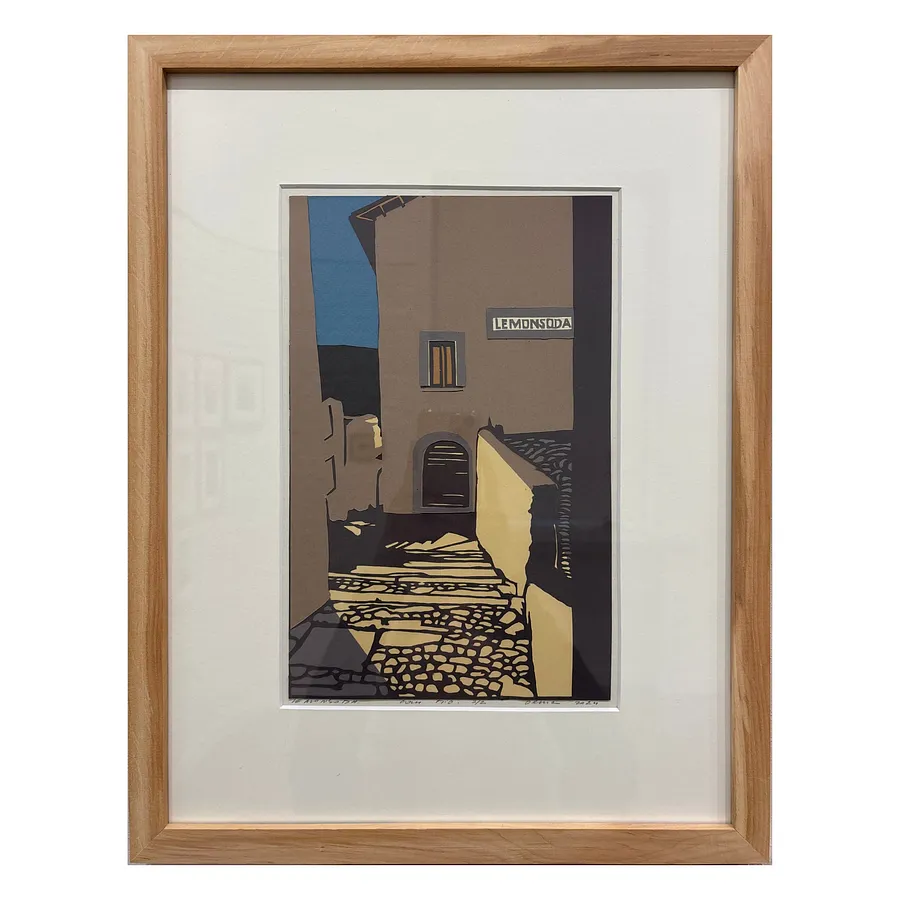
lemonsada. san pio
Olena Turyanska
19 х 24
папір, витинання, аплікація
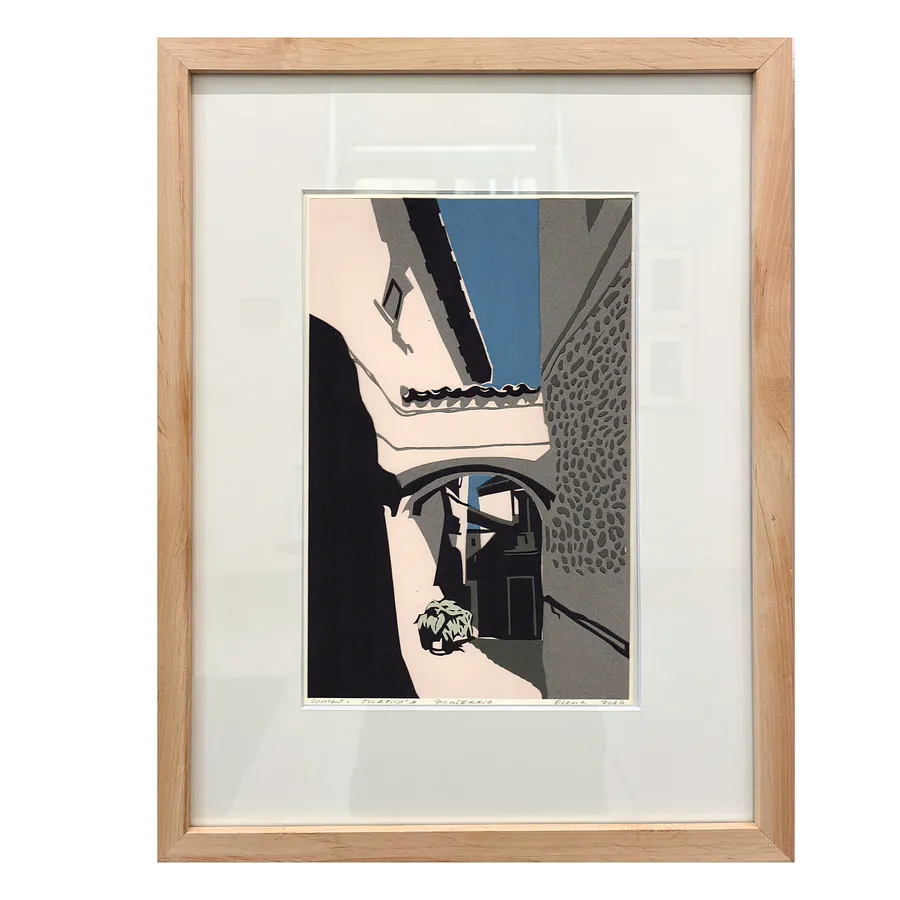
Sontse. Podvir'ia. Fontekkio
Olena Turyanska
18 х 28
paper, cut-out, appliqué
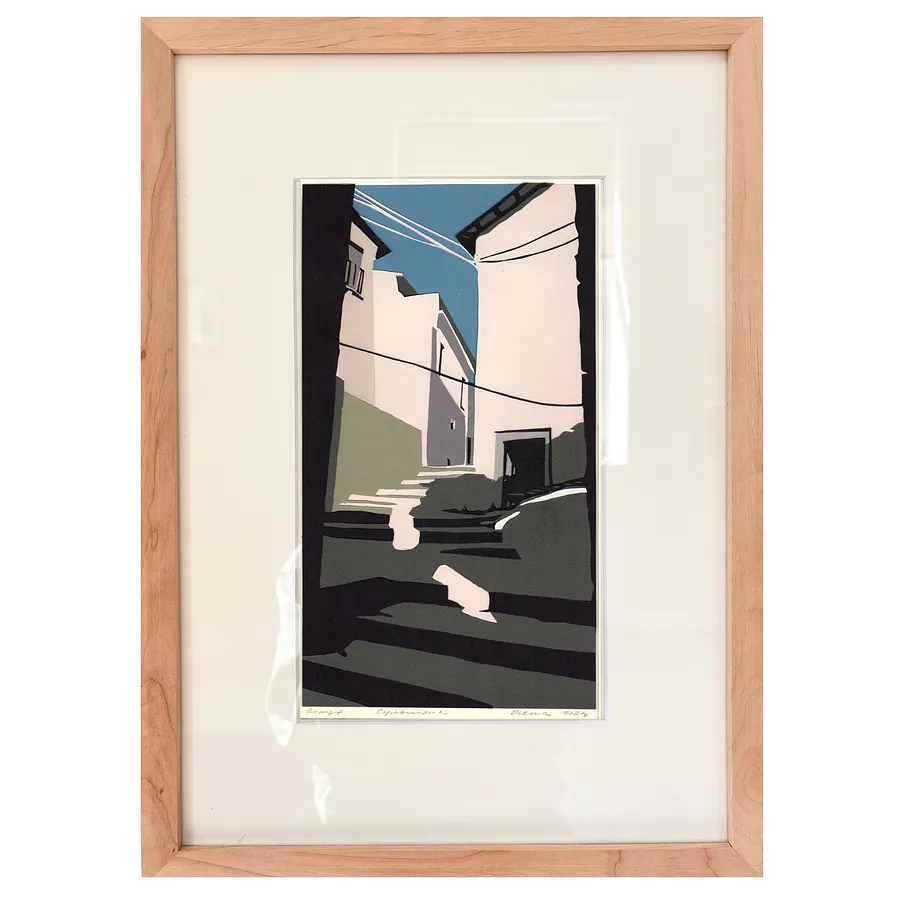
sontse. sulmona
Olena Turyanska
16 х 28
папір, витинання, аплікація
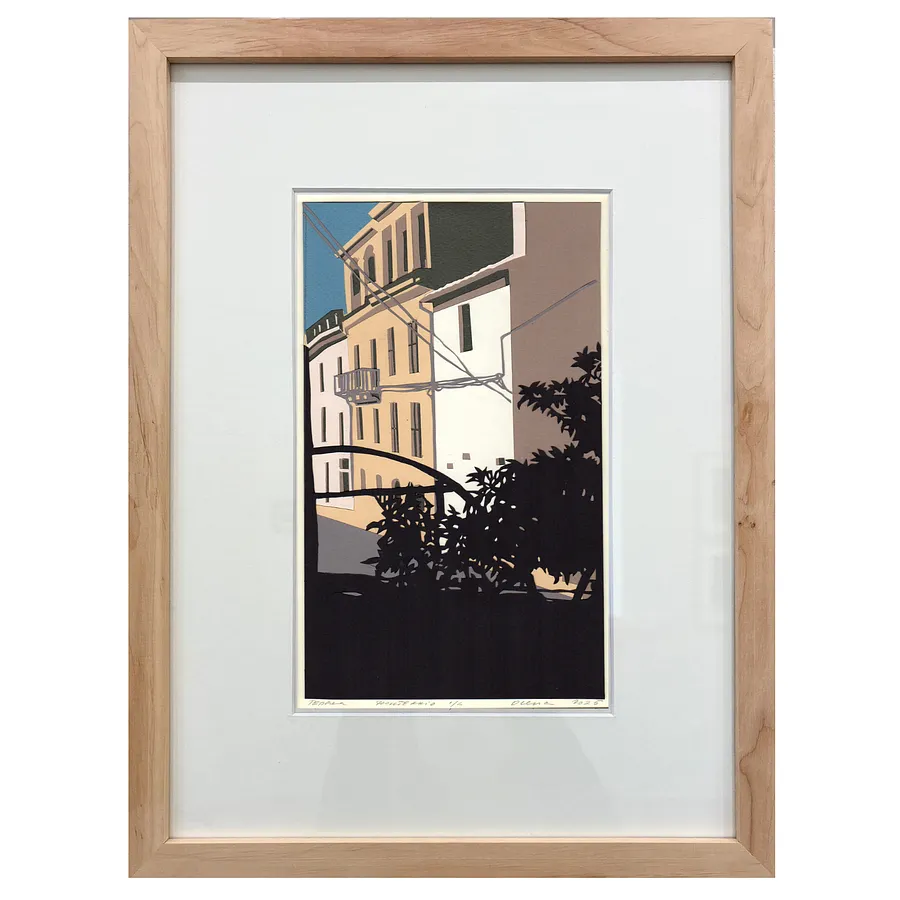
terasa. fontekkio
Olena Turyanska
16 х 26.5 см
папір, витинання, аплікація
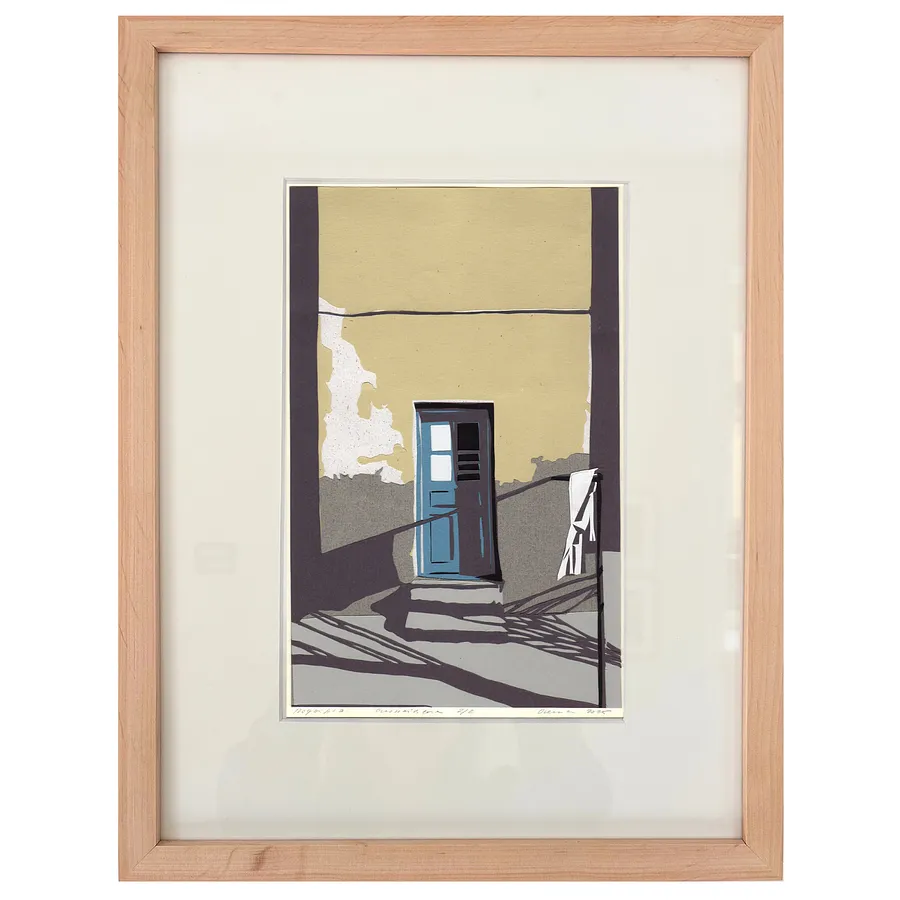
podvir'ia. vulytsia snopkivska
Olena Turyanska
18 х 28 см
папір, витинання, аплікація
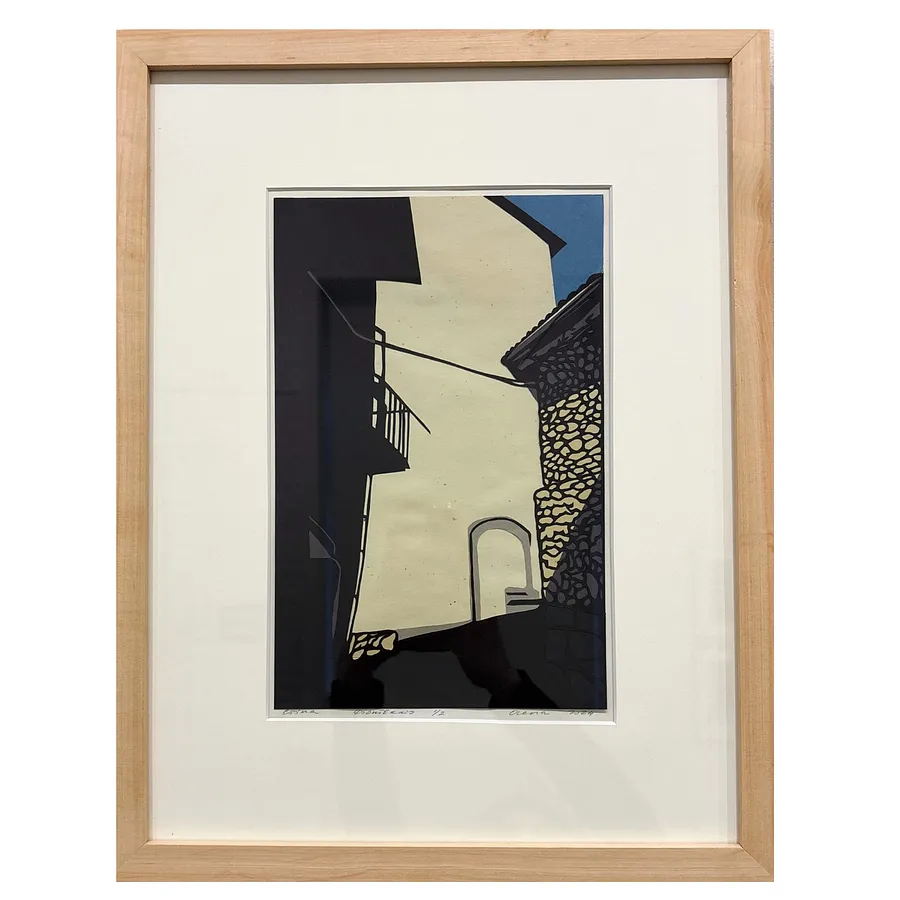
stina. fontekkio
Olena Turyanska
18 х 28 см
paper, cut-out, appliqué
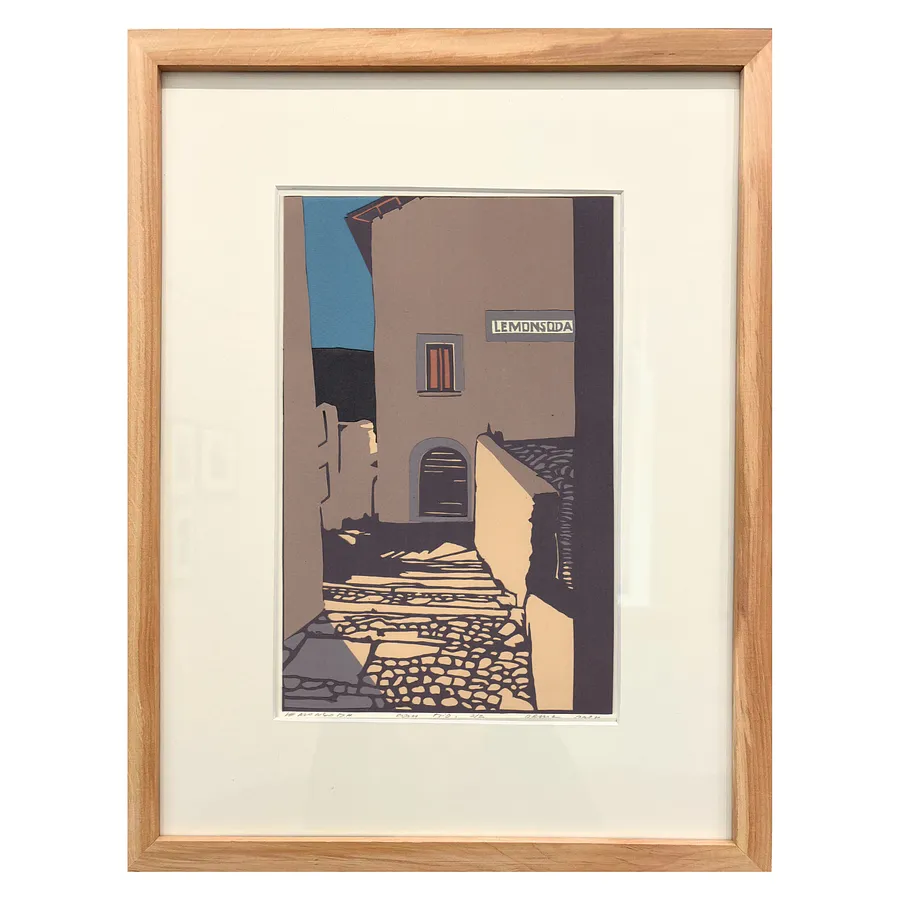
lemonsada. san pio
Olena Turyanska
19 х 24 см
папір, витинання, аплікація
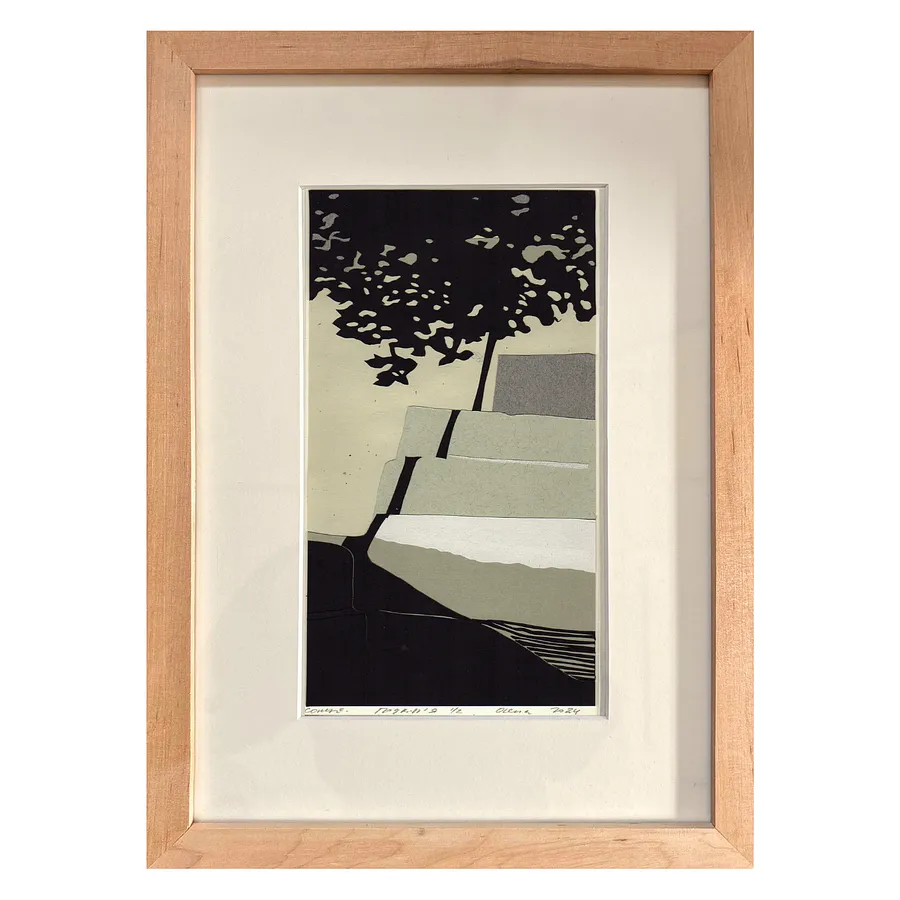
sontse. podvir'ia maisterni
Olena Turyanska
12.5 х 22 см
папір, витинання, аплікація
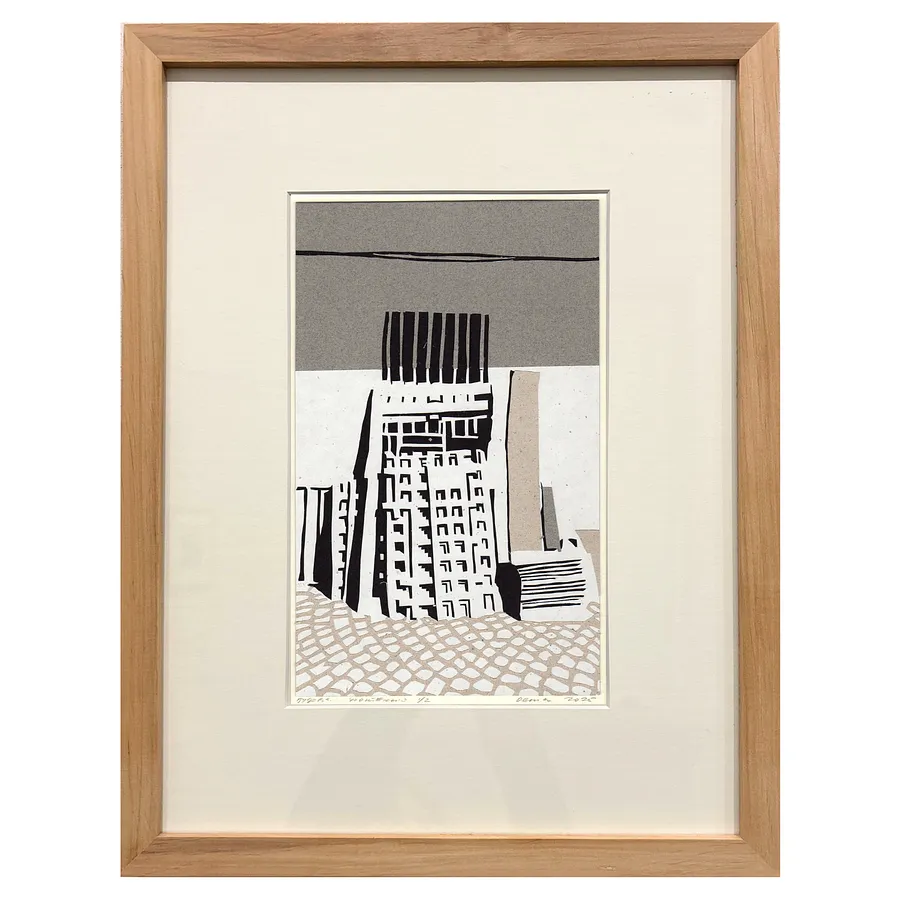
budova. fontekkio
Olena Turyanska
16 х 26
папір, витинання, аплікація
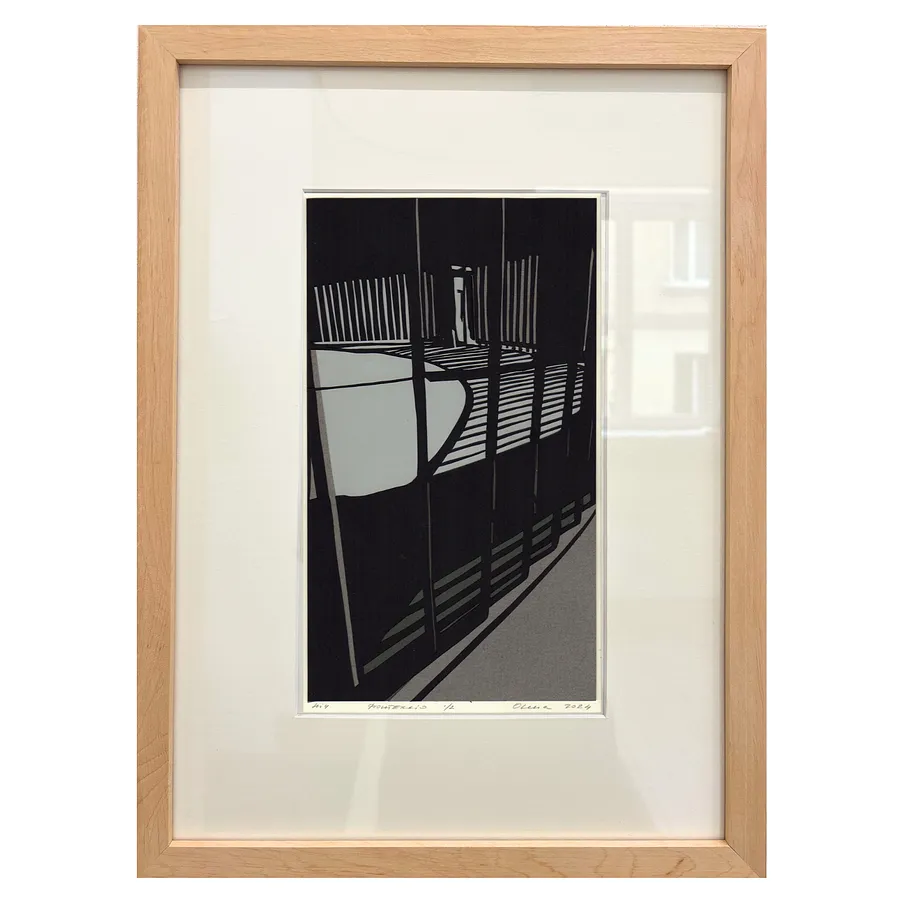
nich. fontekkio.
Olena Turyanska
15.5 х 27 см
папір, витинання, аплікація
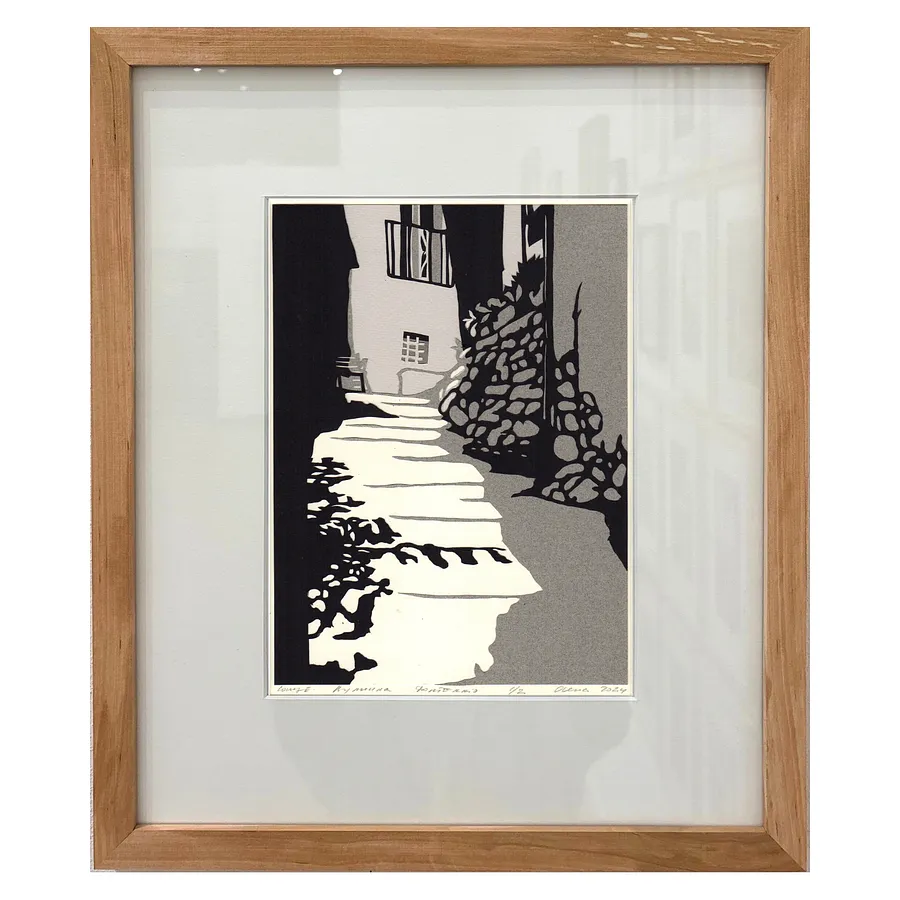
sontse. vulychka. fontekkio
Olena Turyanska
17 х 24 см
папір, витинання, аплікація
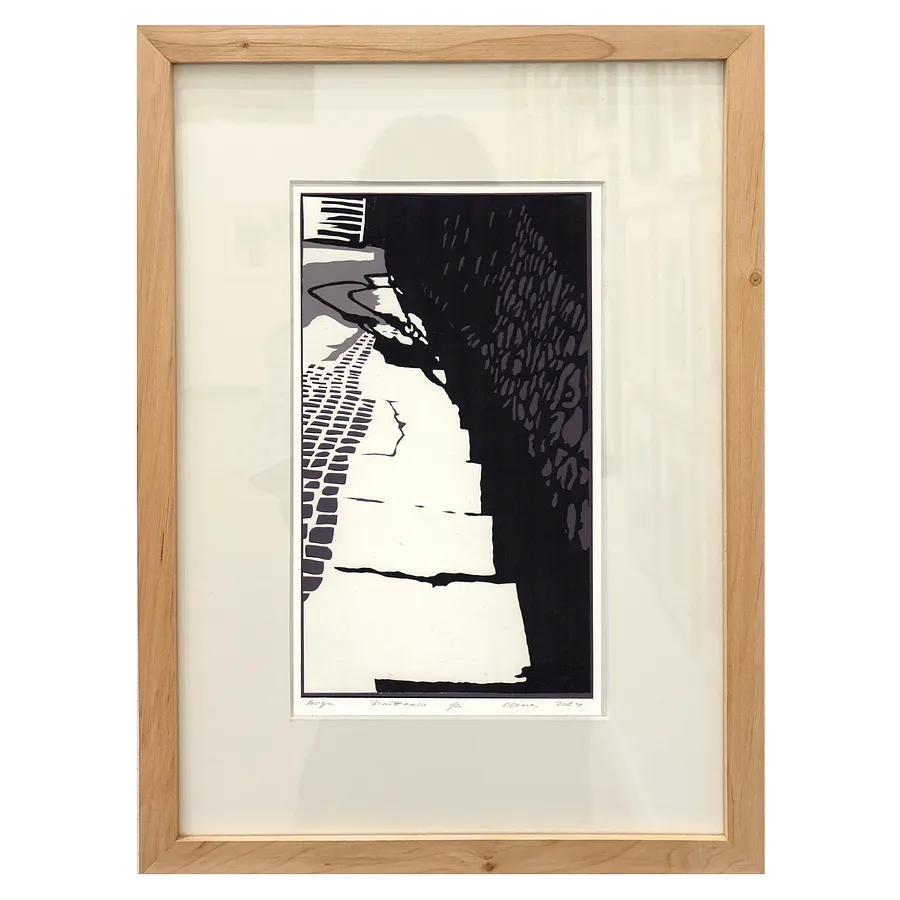
Skhody. fontekkio.
Olena Turyanska
16 х 28 см
папір, витинання, аплікація
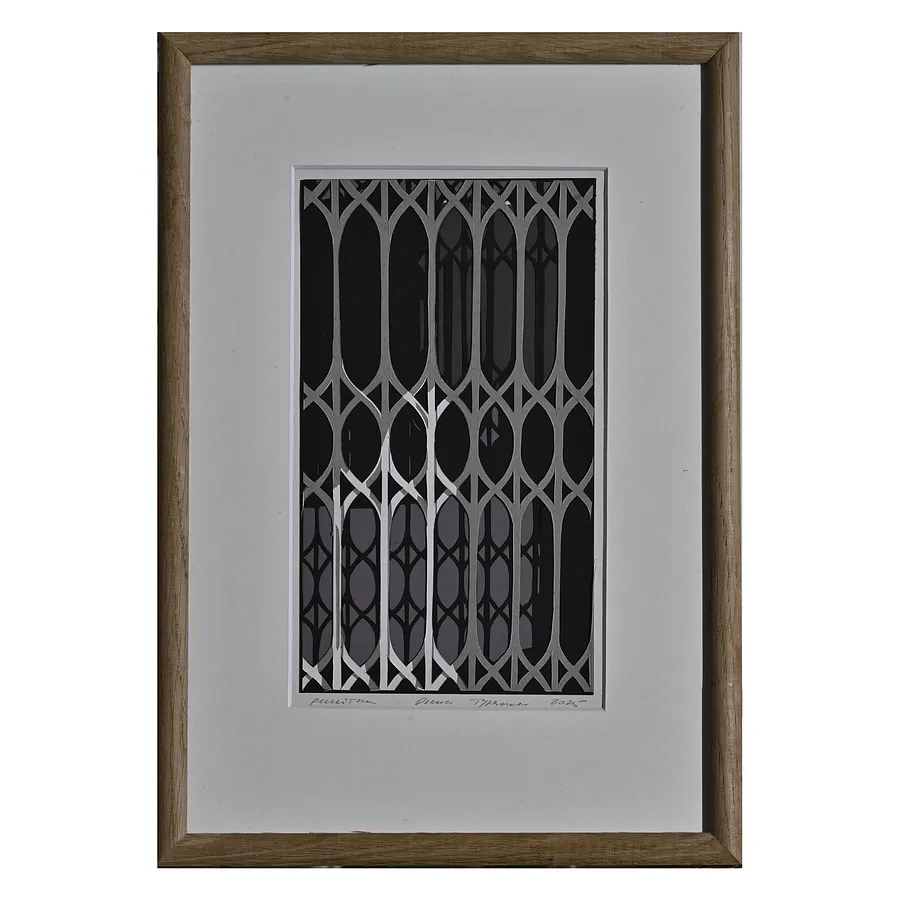
Grate
Olena Turyanska
23 х 13 см
сolored paper, аppliqué